

Defining the 'Ultra' in Processed
Not all processing is bad. Freezing vegetables or canning beans are forms of processing that make food accessible and safe. The concern lies with 'ultra-processed' foods. According to the widely used NOVA classification system, these are not just modified
foods but industrial formulations. Think of them as products made from substances extracted from foods (like fats, starches, and sugars) and then assembled with a host of additives like artificial colours, flavours, and emulsifiers. A simple way to spot them is to check the label: if the ingredient list is long and contains items you wouldn't find in a home kitchen—like high-fructose corn syrup, hydrogenated oils, or various gums and thickeners—it’s likely a UPF. Common examples include instant noodles, packaged sweet and savoury snacks, sugary cereals, ready-to-eat meals, and fizzy drinks.
A Cascade of Concerning Links
Recent large-scale studies have painted a troubling picture of the health risks associated with diets high in UPFs. Research has linked high consumption to a greater risk of numerous conditions, including obesity, type 2 diabetes, high blood pressure, and cardiovascular disease. One 2026 study found that people with the highest intake of UPFs had a significantly higher risk of heart attack or stroke. Another analysis found that for every additional daily serving of UPFs, the risk of cardiovascular events like heart attacks and strokes increases. Beyond heart health, studies have also found associations between UPF consumption and adverse outcomes for digestive diseases, certain cancers, and even mental health conditions like depression and anxiety. Some researchers now consider UPFs a major public health threat, potentially contributing to a significant number of preventable chronic diseases and deaths.
It’s More Than Just Salt and Sugar
For years, the conventional wisdom was that these foods were unhealthy simply because they were high in salt, sugar, and unhealthy fats. While that's true, the latest evidence suggests the problem is more complex. The 'ultra-processing' itself appears to be a key factor. These products are designed to be 'hyper-palatable,' meaning their combination of fat, sugar, salt, and flavour enhancers can stimulate the brain's reward centres and encourage overconsumption. Furthermore, the industrial processes can destroy the natural food matrix—the physical structure of whole foods—which affects how our bodies digest and absorb nutrients. Many UPFs are also low in fibre, which is crucial for good health. Perhaps most alarmingly, research is uncovering how UPFs affect our gut microbiome. Additives like emulsifiers and artificial sweeteners can disrupt the delicate balance of bacteria in our gut, leading to inflammation and increased gut permeability, which is linked to a host of chronic diseases.
Navigating the Modern Food Aisle
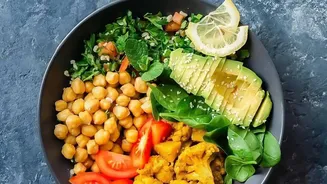
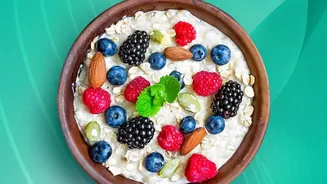
The ubiquity of UPFs makes avoiding them a challenge, especially given their convenience and low cost. The goal for most people shouldn't be to achieve a perfect, UPF-free diet, but rather to shift the balance. Awareness is the first step. Reading labels and learning to identify ultra-processed products can empower you to make more informed choices. Focusing on a diet based on whole or minimally processed foods—like fresh fruits and vegetables, legumes, whole grains, nuts, eggs, and unprocessed meat and fish—is the most effective strategy. When you do buy packaged foods, aim for those with shorter, simpler ingredient lists. Cooking more meals at home is another powerful way to regain control over what goes into your food. It’s not about demonising any single food, but understanding that a dietary pattern dominated by industrial formulations has consequences that science is only now beginning to fully appreciate.