


The Soul of Odisha: More Than Just Temples
Odisha, the ancient land of Kalinga, is often celebrated for its majestic temples and spiritual aura. Yet, woven into its cultural fabric is an even richer story—one told through the hands of its artists. A journey through this eastern Indian state reveals
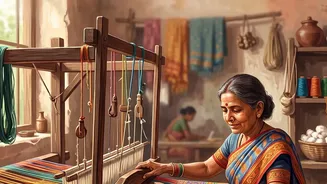
that its true soul lies in the bustling artisan villages where centuries-old craft traditions are not just preserved but lived every day. From the intricate scroll paintings of Pattachitra to the rustic allure of Dhokra metalwork, a craft tour here is an immersion into a world of living heritage. It’s an opportunity to connect directly with the creators, understand their processes, and appreciate the devotion poured into every handmade object.
Days 1-2: Bhubaneswar’s Ancient Marvels
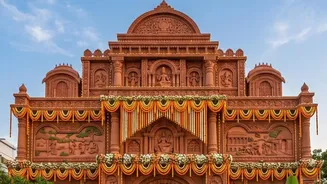
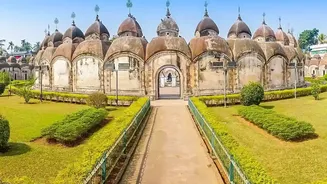
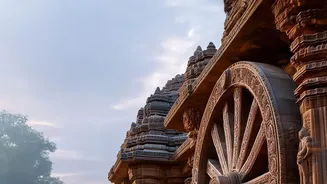
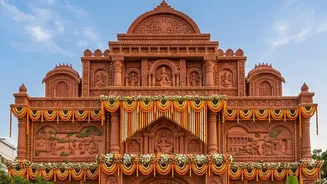
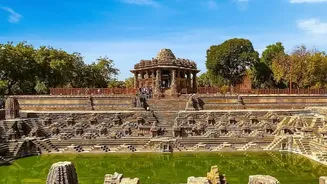
The journey begins in Bhubaneswar, the 'Temple City of India'. The first two days are dedicated to exploring architectural wonders that have inspired Odia art for centuries. A visit to the 11th-century Lingaraj Temple offers a masterclass in Kalinga architecture, its towering spire and detailed carvings setting the stage for the artistic motifs to come. Nearby, the Mukteshwar Temple, often called the 'Gem of Odishan Architecture', showcases exquisite sculptural details that echo in many local crafts. These temples are not just historical monuments; they are the original source of inspiration for the mythological narratives and decorative patterns that dominate Odisha's art forms. A visit to the Kala Bhoomi Odisha Crafts Museum provides a curated introduction to the crafts you are about to witness firsthand.
Day 3: Raghurajpur, a Village of Artists
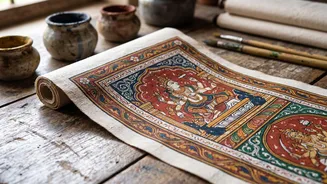
Just a short drive from Puri lies Raghurajpur, recognised as Odisha's first heritage crafts village. Here, nearly every home is an artist’s studio, and the walls of the houses are canvases for vibrant murals. This is the heartland of Pattachitra, a traditional cloth-based scroll painting known for its intricate details and mythological themes. Visitors can spend the day walking through its colourful lanes, stepping into homes to watch artists at work. You’ll see them prepare the canvas by coating cloth with a mixture of chalk and gum from tamarind seeds, and then meticulously paint with natural pigments derived from minerals and shells. Artisans also masterfully practice Talapattachitra, delicate engravings on palm leaves. Interacting with these national award-winning artists and buying directly from them is a way to support this ancient tradition.
Day 4: Pipili’s Riot of Colours
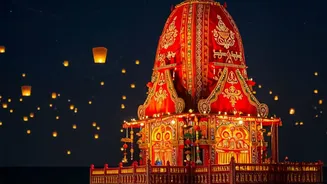
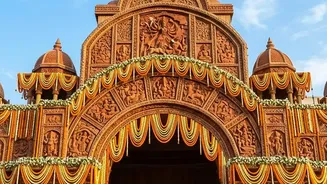
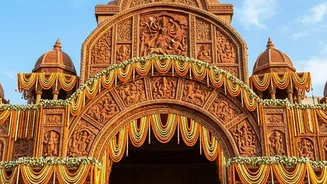
The next stop is the vibrant town of Pipili, located between Bhubaneswar and Puri. Pipili is famous for its appliqué work, locally known as 'Chandua'. The main street is a kaleidoscope of colour, with shops displaying an array of handcrafted items like decorative umbrellas, lampshades, wall hangings, and bags. This craft originated from the needs of the Jagannath Temple, where large canopies, banners, and umbrellas were required for rituals and the annual Rath Yatra festival. In Pipili's workshops, you can observe artisans skillfully cutting pieces of coloured cloth into shapes of animals, flowers, and deities and stitching them onto a base fabric. This art form, which has received a GI tag, has beautifully transitioned from ritualistic use to modern home décor while preserving its traditional essence.
Day 5: Dhenkanal and the Ancient Dhokra Craft
The final day takes you to the region of Dhenkanal, a prominent hub for Dhokra, one of India's oldest craft forms. In villages like Sadeibarani, artisan communities practice the 4,000-year-old 'lost-wax' casting technique to create stunning metal artifacts. This intricate process involves creating a clay core, covering it with beeswax threads to form a design, and then encasing it in more clay. When this mould is heated, the wax melts away, and molten metal—typically a brass alloy—is poured in to take its shape. The result is rustic, intricate figurines of deities, animals, and ritual objects, each one unique. Visiting a Dhokra workshop offers a fascinating insight into this ancient metallurgical skill and provides a chance to witness how tribal folklore and nature are immortalised in metal.