
The King of Moons
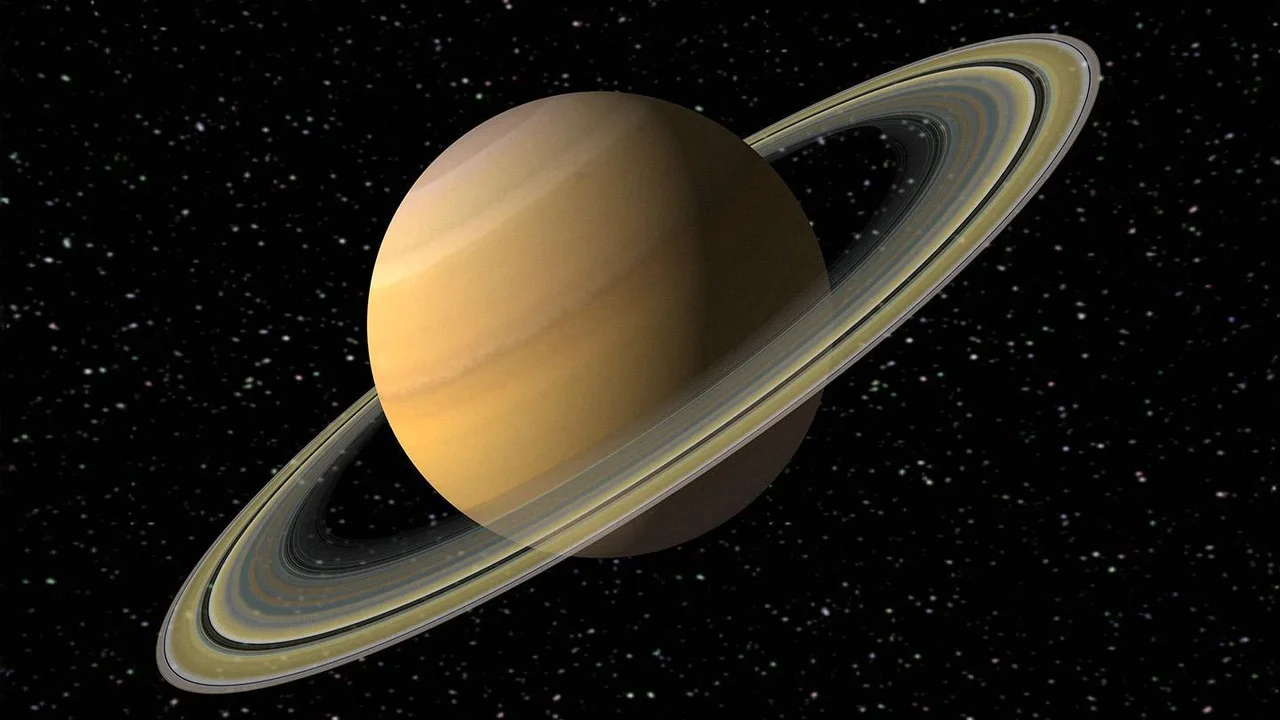
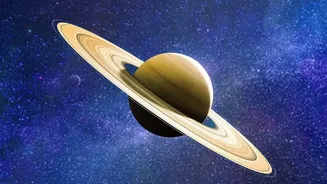
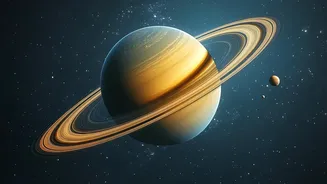
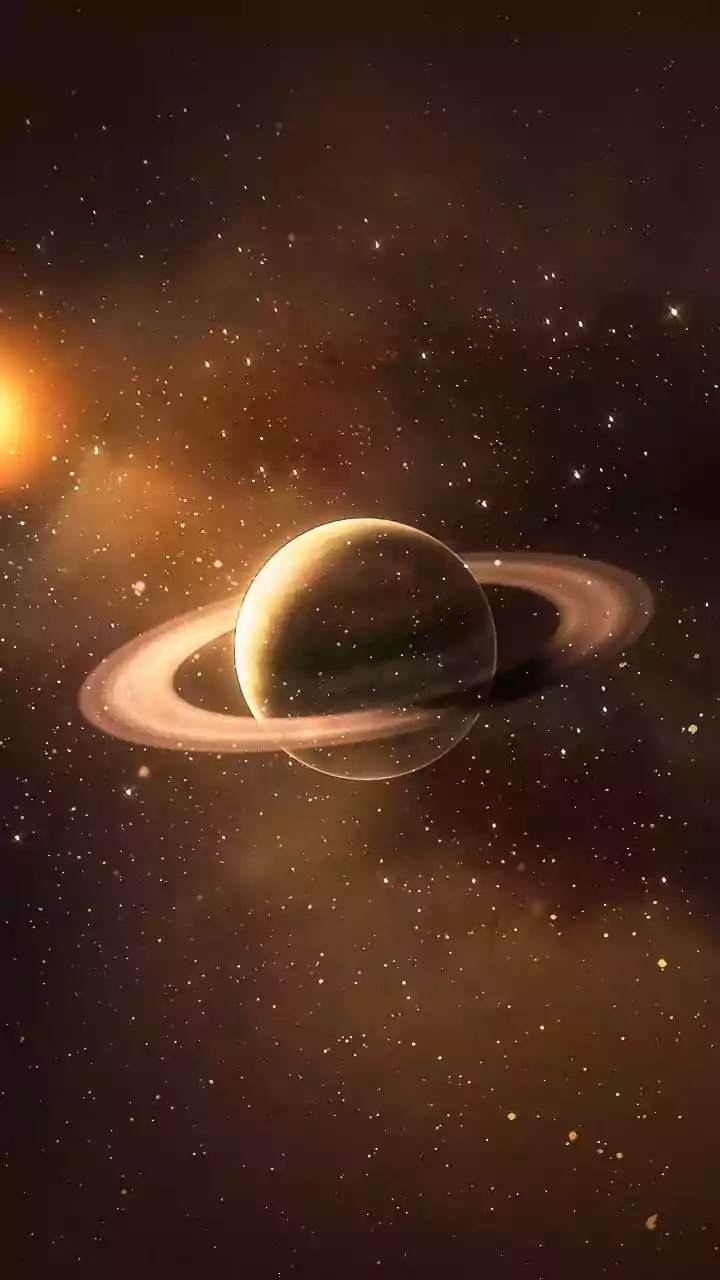
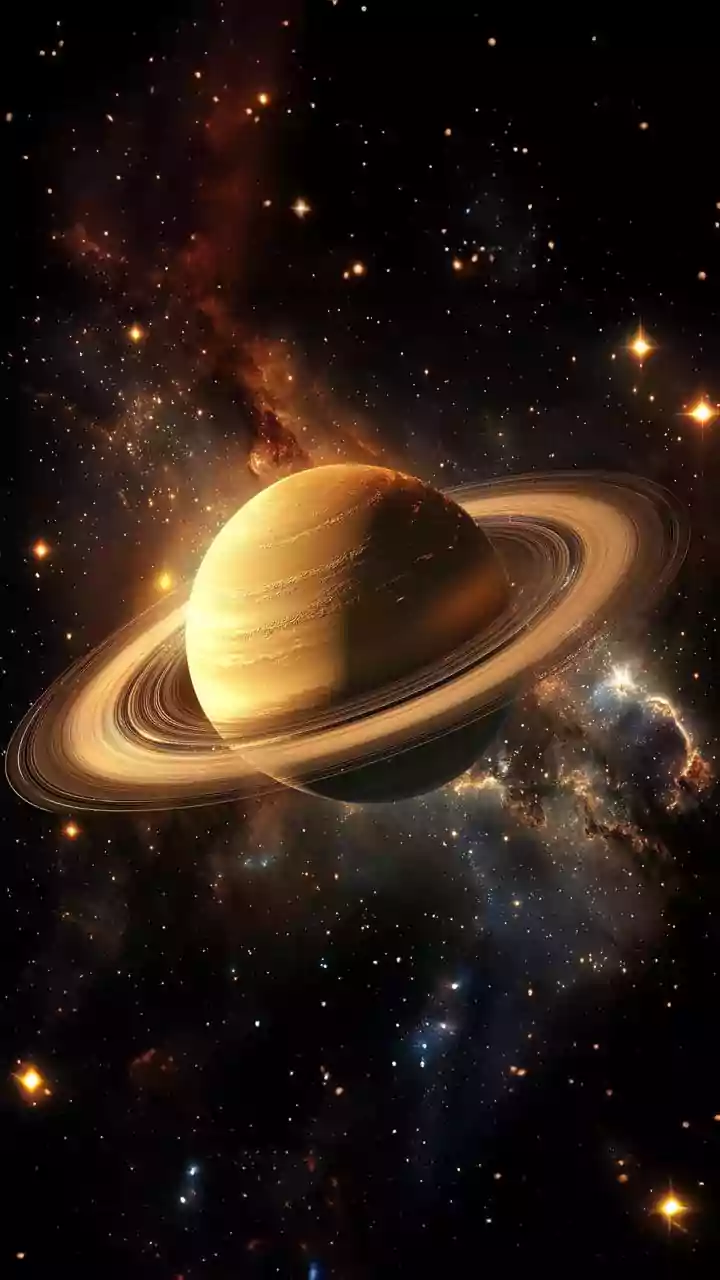
Not long ago, Jupiter wore the crown for the most moons in the solar system. Today, Saturn holds a commanding lead, with its official tally soaring to 293 confirmed moons as of mid-2026. This number isn't just a piece of trivia; it represents a fundamental
shift in our understanding of how planetary systems form and evolve. The surge began in earnest with a series of discoveries that drastically inflated the count, including a massive batch of 128 new moons confirmed in March 2025. This explosion of discoveries has solidified Saturn's status as a mini-solar system in its own right, teeming with a diverse family of natural satellites.
From Eyepieces to Algorithms
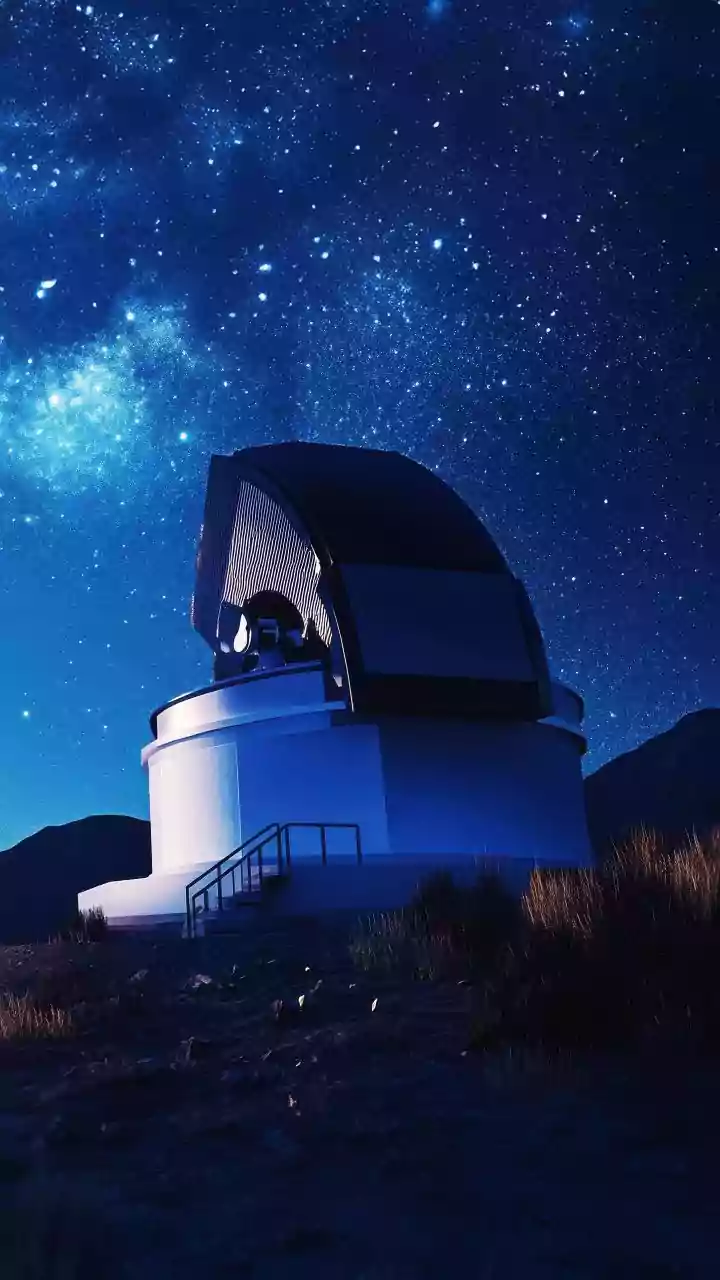
For most of history, finding moons was a slow, deliberate process. Christiaan Huygens first spotted Titan in 1655, and for the next 300 years, new discoveries were few and far between, made by astronomers peering through increasingly powerful telescopes. The Voyager spacecraft flybys in the 1980s added a few more. But the recent boom is not thanks to bigger lenses alone. It’s driven by a new method: powerful ground-based observatories, like the Subaru Telescope in Hawaii and the Canada-France-Hawaii Telescope, conduct deep-sky surveys, taking sequential images of the space around Saturn. These individual images are often too faint to reveal a tiny moon. The magic happens when astronomers use a “shift and stack” technique. By layering multiple images and shifting them to follow a predicted orbital path, the faint signal of a tiny moon is amplified until it becomes visible against the background noise of space. It's less about seeing a moon and more about computationally proving it's there.
Small, Distant, and Irregular
The moons being discovered now are not like the large, spherical ones we learned about in school. The vast majority of these newcomers are classified as “irregular” satellites. They are small—often just a few kilometres in diameter—and follow large, elliptical, and highly inclined orbits far from Saturn. Many even orbit in a retrograde direction, opposite to Saturn's rotation. Scientists believe these are not moons that formed alongside Saturn. Instead, they are likely captured objects—asteroids or comets that strayed too close to the gas giant billions of years ago and were ensnared by its immense gravity. It’s thought that many of these are fragments from ancient collisions between larger captured bodies, which explains why they often appear in orbital families or groups.
What Else Is Hiding Out There?
The latest discoveries are likely just the tip of the iceberg. The current detection methods are pushing the limits of our technology, revealing objects just a couple of kilometres across. However, scientific models predict that there should be an even greater population of smaller moonlets, perhaps less than a kilometre wide, that we simply can't see yet. As researchers extrapolate from the known size distribution, they estimate that Saturn could host hundreds more of these tiny companions. Finding them will require even more sensitive telescopes and sophisticated data-processing techniques. Each discovery, no matter how small, provides another clue about the chaotic early history of our solar system and the processes that shaped the planets and their retinues. The definition of a 'moon' itself may even be debated as we find more and more of these tiny orbiting bodies.