



The Philosophy of Soft Minimalism
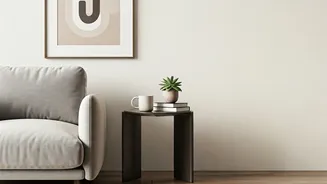
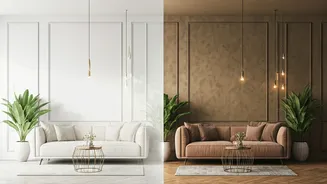
The core idea of minimalism is 'less is more'. It’s about stripping away the unnecessary to focus on what is essential, beautiful, and functional. However, this philosophy can sometimes be misinterpreted as cold or clinical. Soft minimalism, or warm minimalism, challenges
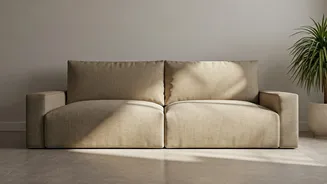
that notion. It retains the clutter-free and intentional principles of its predecessor but infuses the space with warmth, texture, and personality. This is where floor cushions and cotton throw pillows shine. They are the perfect tools to soften sharp angles, add a layer of comfort, and make a curated space feel like a lived-in home without adding bulky furniture or unnecessary decor.
Building Your Foundation with Floor Cushions
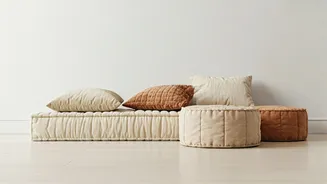
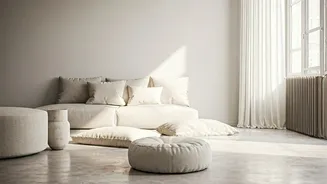
Floor cushions are the cornerstone of this look, offering incredible versatility in a minimalist apartment. They serve as low-profile, flexible seating that can be easily moved, stacked, or stored. This is ideal for small spaces where a collection of large chairs would be overwhelming. Consider large, sturdy poufs that can double as footrests or side tables (with a tray on top), or traditional Japanese 'zabuton' cushions for creating a low-seating area around a coffee table. When selecting floor cushions, opt for natural materials and a neutral colour palette—think shades of beige, cream, charcoal, or gentle greys. This ensures they blend seamlessly with the minimalist aesthetic rather than competing with it. The goal is to create an inviting landscape on your floor, encouraging a relaxed, grounded way of living.
Layering with Cotton Throw Pillows
If floor cushions are the foundation, cotton throw pillows are the artful finishing touch. Cotton is an excellent choice for a minimalist home due to its natural, breathable, and unpretentious feel. It avoids the heavy, ornate look of materials like velvet or brocade. Use them to add subtle variations in texture and tone. A crisp white cotton pillow can brighten a grey sofa, while a slub-cotton pillow with a simple woven stripe can add a touch of handcrafted character. The key to maintaining a minimalist feel is restraint. Instead of a riot of colours and patterns, stick to your established neutral palette. Group two or three pillows of varying sizes and complementary shades on your sofa or bed. This intentional arrangement adds visual interest and comfort without creating the feeling of clutter you've worked so hard to avoid.
Mastering Texture and Colour
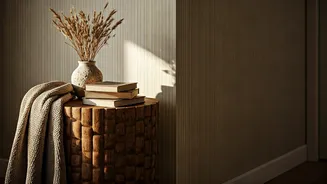
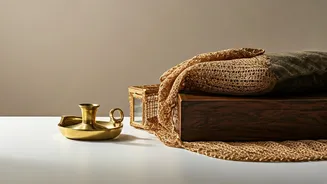
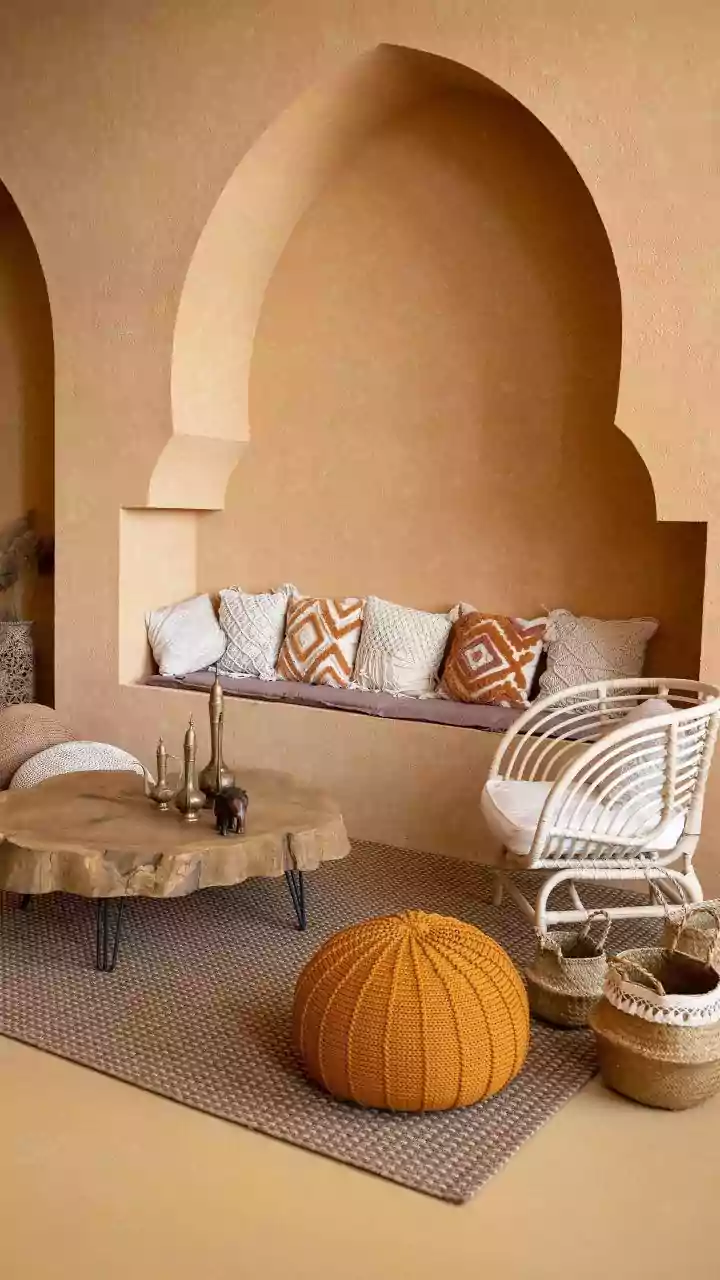
A successful soft minimalist space is a masterclass in texture. Since the colour palette is often restrained, a variety of textures is what keeps the room from feeling flat or boring. This is why the combination of floor cushions and throw pillows works so well. You can pair a chunky knit floor pouf with smooth cotton pillows, or a canvas floor cushion with a waffle-weave throw pillow. Look for textures that are pleasing to both the eye and the touch. Think beyond the pillows as well. A soft wool rug, a light linen curtain, the smooth grain of a wooden stool, and the cool surface of a ceramic vase all contribute to a rich sensory experience. When it comes to colour, introduce it sparingly. A single pillow in a muted, earthy tone—like terracotta, olive green, or dusty blue—can serve as a gentle focal point within an otherwise neutral room.
The Art of Intentional Placement
In minimalism, every object has a purpose and a place. The arrangement of your cushions and pillows should feel deliberate, not accidental. Create a dedicated reading nook by placing a large floor cushion and a smaller throw pillow in a sunlit corner. Arrange a few floor cushions around a low coffee table to signal a space for conversation or a casual meal. On a sofa, avoid a perfectly symmetrical, rigid arrangement. Instead, an odd-numbered grouping (three or five pillows) often feels more natural and inviting. One large pillow, one medium, and one smaller lumbar pillow can create a dynamic and stylish composition. The goal is to make the space look effortlessly comfortable, as if the pillows are there because they are genuinely used and loved, which is the true spirit of functional design.