




The Great Indian Sweet Revival
For years, the dessert menu at many of India's upscale restaurants felt like a foreign import. Perfectly pleasant cheesecakes, chocolate fondants, and tiramisus were the default grand finale to an otherwise Indian meal. But that era is fading. A new wave
of culinary creativity is seeing chefs turn their gaze inward, mining the rich, diverse landscape of India’s own sweet traditions. Instead of looking to the West for inspiration, they are finding it in their own backyards, in the recipes passed down through generations and the seasonal specialities that define our festivals and regions. This isn't about simply placing a gulab jamun on a fancy plate; it's a thoughtful re-imagination that celebrates both nostalgia and novelty.
From Street Food to Star Course
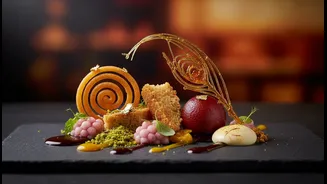
Take Daulat ki Chaat, the ethereal, cloud-like dessert from the streets of Old Delhi. Traditionally a winter-only delicacy made from milk foam set by morning dew, it was a fleeting, magical experience. Today, chefs like Manish Mehrotra of Indian Accent have used modern techniques to recreate its delicate texture year-round, bringing this hyper-local legend to a global audience. Similarly, the Rajasthani Ghevar, a crispy, disc-shaped sweet associated with the Teej festival, is being deconstructed and reimagined. Fine dining kitchens are presenting it with artisanal toppings, lighter syrups, and artistic plating that honours its honeycomb structure while elevating it to a new culinary level.
A Philosophy of Flavour and Memory
So, why is this happening now? For many chefs, it's about storytelling. These desserts are not just sugar and flour; they are edible history, packed with memories of childhood, festivals, and family. The goal is to evoke that familiar comfort while surprising the palate with new textures and balanced flavours. Chefs are challenging the old notion that all Indian sweets are one-dimensionally sweet. They are breaking down classic recipes into their core components—the crunch of a jalebi, the creaminess of rabri, the grain of a laddoo—and reassembling them in inventive ways, like Jalebi 'caviar' with a light rabri foam or a Motichoor laddoo parfait layered in a glass. It's a delicate balancing act between honouring tradition and pushing creative boundaries.
A Delicious Declaration of Confidence
Ultimately, this trend is more than just a culinary fad; it’s a reflection of a growing cultural confidence. By placing a reinvented Kulfi or a modern Mysore Pak on their menus, Indian chefs are making a powerful statement. They are asserting that our own flavours, ingredients, and culinary heritage are as worthy of innovation and reverence as any French pastry or Italian dessert. It's about decolonising the fine-dining plate and celebrating the incredible diversity that has always existed within Indian cuisine. It proves that sophistication doesn’t have to be imported; it can be found in the familiar, re-discovered and presented with pride.