




The 2026 US midterm elections are over, and a divided government is the result. For global markets and businesses, the political tug-of-war that lies ahead, known as gridlock, might sound like bad news. But in the world of finance, stalemate isn't always
a negative.
A Mandate for Moderation
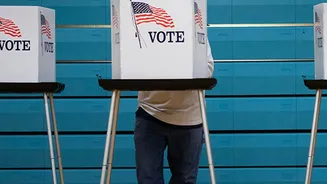
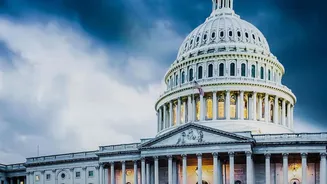
Voters have delivered a split decision, with the Democratic party taking control of both the House and Senate, setting the stage for a period of divided government against the incumbent Republican administration. This outcome is being widely interpreted as a public call for more checks and balances on presidential power. Key issues driving voters included economic anxieties, rising costs, and foreign policy, leading to Democratic wins in traditionally Republican-leaning states. This shift creates a new dynamic in Washington, where broad, sweeping legislation from either party will be difficult to pass.
Why Wall Street Often Welcomes Gridlock
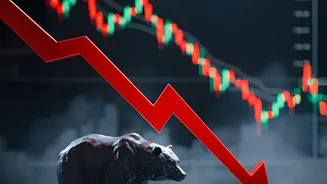
It may seem counterintuitive, but financial markets often react positively to political gridlock. The core reason is predictability. When no single party has the power to enact major, disruptive policy changes, businesses and investors face less uncertainty. The risk of sudden corporate tax hikes, sweeping new regulations, or dramatic shifts in spending priorities diminishes significantly. This stability allows companies to plan for the long term with greater confidence. Historically, while subject to debate, some data suggests market returns have been strong during periods of divided government, precisely because it prevents policy shocks and allows economic fundamentals to drive performance. After the initial uncertainty, markets rallied on the prospect of gridlock.
Sector-Specific Winners and Losers
A gridlocked government doesn't affect all industries equally. Technology and pharmaceutical sectors, which often face the threat of increased regulation, may see a period of relief. However, the massive investment in AI infrastructure could face more scrutiny, particularly at the state and local level where Democrats made gains. On the other hand, industries reliant on large-scale government spending, such as green energy or certain infrastructure projects, could face headwinds as new fiscal stimulus packages become highly unlikely to pass. A Democratic-controlled Congress may also seek to lower tariffs, but the president retains significant executive power in trade policy, creating a point of tension.
Global Confidence and Lingering Risks
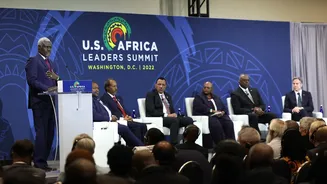
For international partners and global businesses, US gridlock is a double edge sword. On one hand, it could lead to more stable and predictable trade relations if Congress pushes back against unilateral tariff policies. On the other, a government unable to act decisively can be a problem. Important issues like funding the government and raising the debt ceiling become potential flashpoints for intense political battles, which can spook global investors. While legislative paralysis might reduce the risk of new disruptive laws, it also means the administration may lean more heavily on executive orders in foreign policy and trade, which can increase volatility for global companies.
The Road Ahead for Business
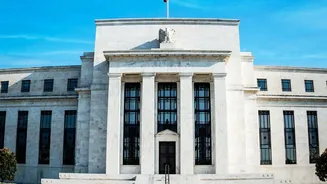
With major fiscal policy off the table, the focus for markets will shift even more intensely toward other factors. The policies of the US Federal Reserve on interest rates, which are set to combat persistent inflation, will become a primary driver of market behavior. Likewise, global energy prices and geopolitical developments will continue to have an outsized impact on the economy. While the reduction of legislative risk is a shortterm positive, the inability to respond to a potential economic crisis due to political infighting remains a significant longterm concern for business leaders worldwide. Slower US growth, constrained by this political paralysis, could also mean the American economy contributes less to global growth in the coming years.