

Our Star’s Turbulent Temperament
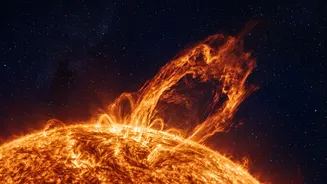
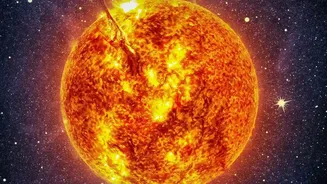
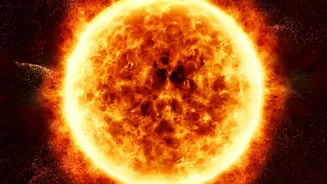
The sun isn't just a steady ball of light; it's a dynamic and sometimes volatile star. Its activity follows an approximately 11-year cycle, moving between periods of relative calm and high activity known as the solar maximum. During these active periods,
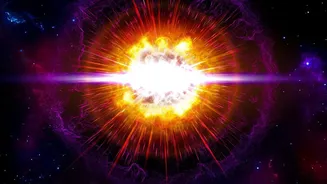
the sun's tangled magnetic fields can suddenly realign, unleashing enormous amounts of energy. This can manifest as solar flares—intense bursts of radiation—or, more consequentially for Earth, as coronal mass ejections (CMEs). A CME is a colossal eruption, launching billions of tons of plasma and magnetic fields from the sun's outer atmosphere, the corona, into space at incredible speeds. While flares can reach Earth in just over eight minutes, CMEs are slightly slower, taking anywhere from 15 hours to several days to arrive.
When Cosmic Weather Hits Home
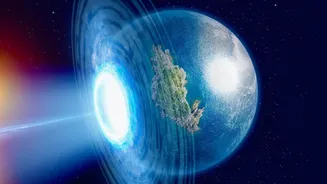
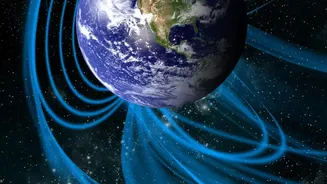
Most CMEs miss Earth entirely, heading off into the vastness of space. However, when one is aimed directly at us, it collides with our planet's protective magnetic field, the magnetosphere. This collision triggers a geomagnetic storm, a major disturbance of Earth's magnetic field. Think of it as a shockwave rippling through our planet's invisible shield. This interaction releases tremendous energy into Earth's upper atmosphere, which can have profound effects on the ground and in orbit. While our atmosphere protects humans from direct harm, the technology we rely on is far more vulnerable.
The Threat to Our Power Grids
One of the most significant risks from a strong geomagnetic storm is to our electrical power grids. The fluctuating magnetic fields can create powerful, uncontrolled electrical currents in long conductors on the ground, known as geomagnetically induced currents (GICs). These currents can flow into high-voltage transmission lines, overloading the system. The excess current can cause large transformers to overheat and sustain permanent damage, which can lead to widespread and long-lasting blackouts. A stark example occurred in March 1989, when a geomagnetic storm overwhelmed the Hydro-Québec power grid, plunging the entire Canadian province into darkness for nine hours and damaging transformers as far away as New Jersey.
Satellites and Communications in the Firing Line
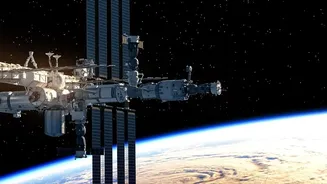
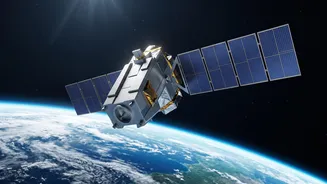
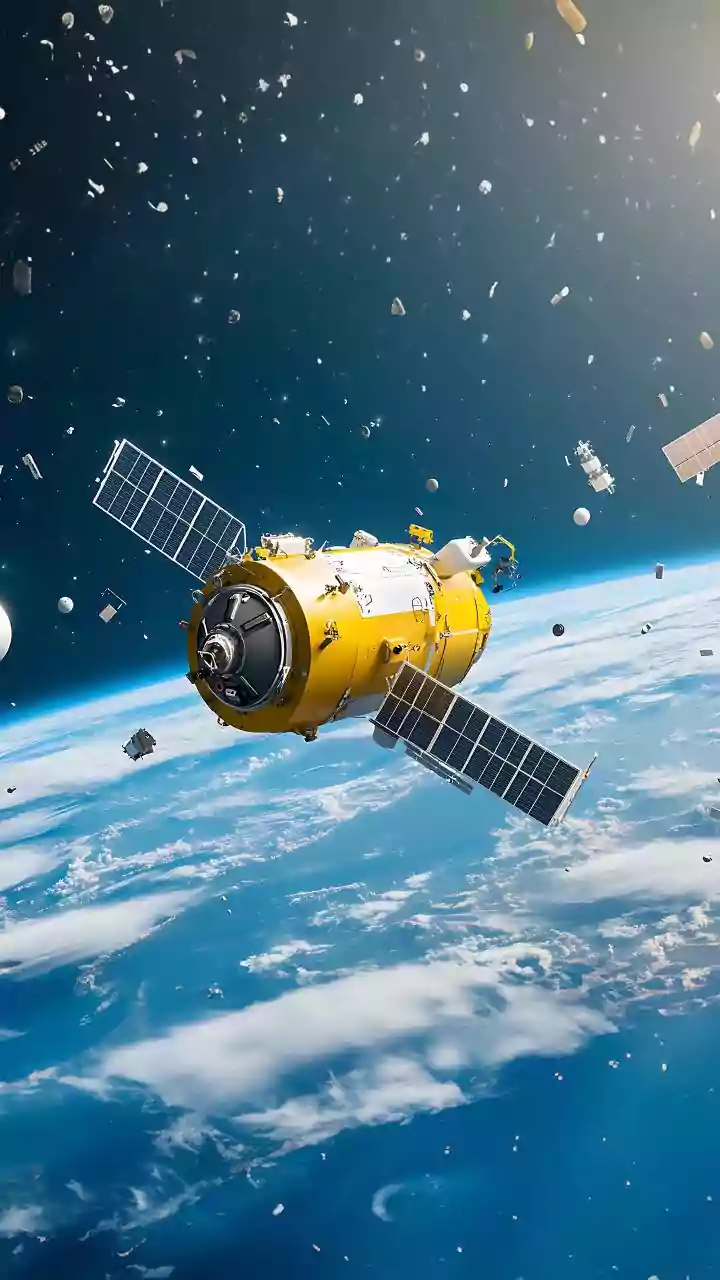
Our modern world runs on satellites. They provide everything from GPS navigation and weather forecasting to global communications and financial transactions. These orbital assets are highly exposed to the effects of solar storms. The charged particles from a storm can damage sensitive electronics and degrade solar panels, potentially shortening a satellite's lifespan or causing it to fail completely. The storms also heat and expand Earth's upper atmosphere, increasing drag on low-orbiting satellites and causing their orbits to decay. Furthermore, the atmospheric disturbance can disrupt the radio signals that GPS systems rely on, causing errors in location data that can affect aviation, shipping, and even agriculture.
A Historical Warning: The Carrington Event
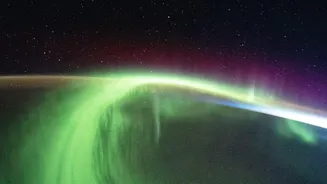
To understand the worst-case scenario, we look to history. In September 1859, astronomer Richard Carrington observed an intensely bright solar flare. About 17 hours later, the resulting CME slammed into Earth, creating the most powerful geomagnetic storm ever recorded. The impacts were felt globally. Auroras were seen as far south as Cuba and Colombia, so bright that people could read newspapers by their light at night. The era's most advanced technology, the telegraph system, failed across Europe and North America. Sparks flew from telegraph machines, operators received electric shocks, and papers were set on fire. In a world now infinitely more dependent on electricity and electronics, a storm of similar magnitude could have catastrophic consequences, potentially costing trillions of dollars and taking years to fully recover from.
Preparing for the Inevitable
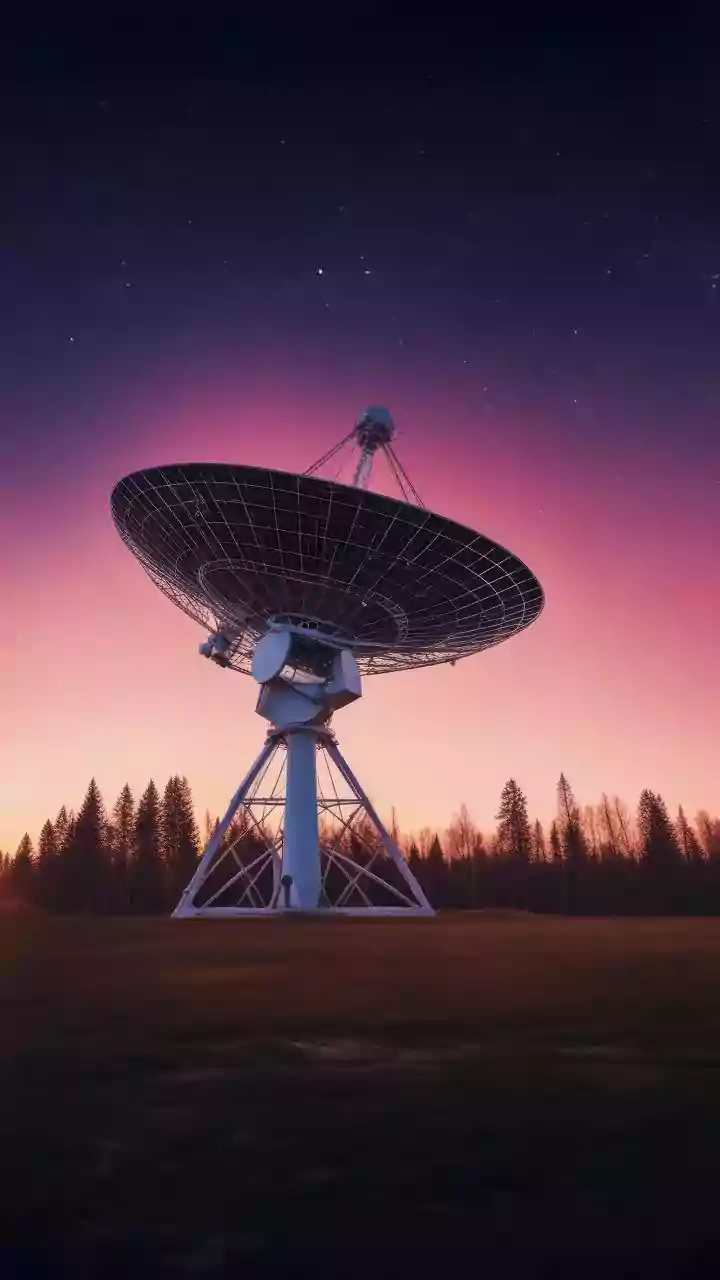
A Carrington-level event is considered a once-in-a-century or rarer occurrence, but smaller, yet still disruptive, storms happen more frequently. As we currently navigate a period of heightened solar activity, scientists and government agencies like NOAA's Space Weather Prediction Center are constantly monitoring the sun. Advanced spacecraft like the Solar and Heliospheric Observatory (SOHO) provide crucial early warnings, giving utility operators and satellite controllers time to take protective measures, such as temporarily powering down systems to prevent overload. While we can't stop a solar storm, understanding the risk allows us to build more resilient infrastructure and develop strategies to mitigate the impacts of our star's inevitable fury.