





Start with a Smart Base Layer
The foundation of any good layered outfit is the piece closest to your skin. The goal is comfort and moisture management, not just warmth. Think of this as your outfit's architecture. For colder months, lightweight, breathable fabrics like merino wool
or soft modal are excellent choices because they regulate body temperature and wick away sweat. In transitional weather, a simple cotton t-shirt, tank top, or camisole serves as the perfect starting point. The key is to choose a fitted or smooth silhouette that won't add bulk, allowing other layers to sit cleanly on top.
Add a Versatile Mid-Layer
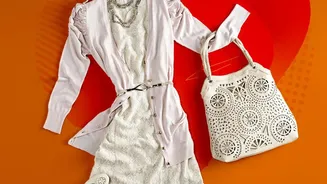
This is your insulating layer, where you can truly begin to play with style and texture. The mid-layer provides the majority of your warmth and is the piece you'll most likely add or remove as the temperature changes. Options are plentiful: a chunky knit sweater, a classic cardigan, a fleece jacket, a denim shirt, or even a structured blazer. This layer helps trap warmth close to your body. For a polished look that defines your waist, you can add a slim belt over a cardigan. The right mid-layer adds visual interest and makes the outfit feel intentional.
Finish with a Functional Outer Layer
The outer layer is your protection from the elements—wind, rain, or crisp air—and it pulls the entire look together. This could be a timeless trench coat, a warm wool coat, a modern 'shacket' (shirt-jacket), or a sharp leather jacket. In India's varied climate, a lightweight, removable jacket or a breathable overshirt is often more practical than a heavy winter coat, especially during monsoon or early autumn. An effective outer layer should shield you without causing you to overheat, completing your outfit's adaptability.
Transition Summer Favourites to Winter
Don't pack away your summer dresses and skirts just because the temperature drops. With a few simple tricks, they can become winter-ready staples. A popular technique is to layer a thin turtleneck or long-sleeved top underneath a sleeveless or slip dress. You can also wear a cropped knit sweater over a dress to give the impression of a top-and-skirt combination. Pairing dresses with thick tights or fleece-lined leggings adds instant warmth. Even cropped pants can be worn in cooler weather with knee-high boots and cozy socks.
Play with Textures and Proportions
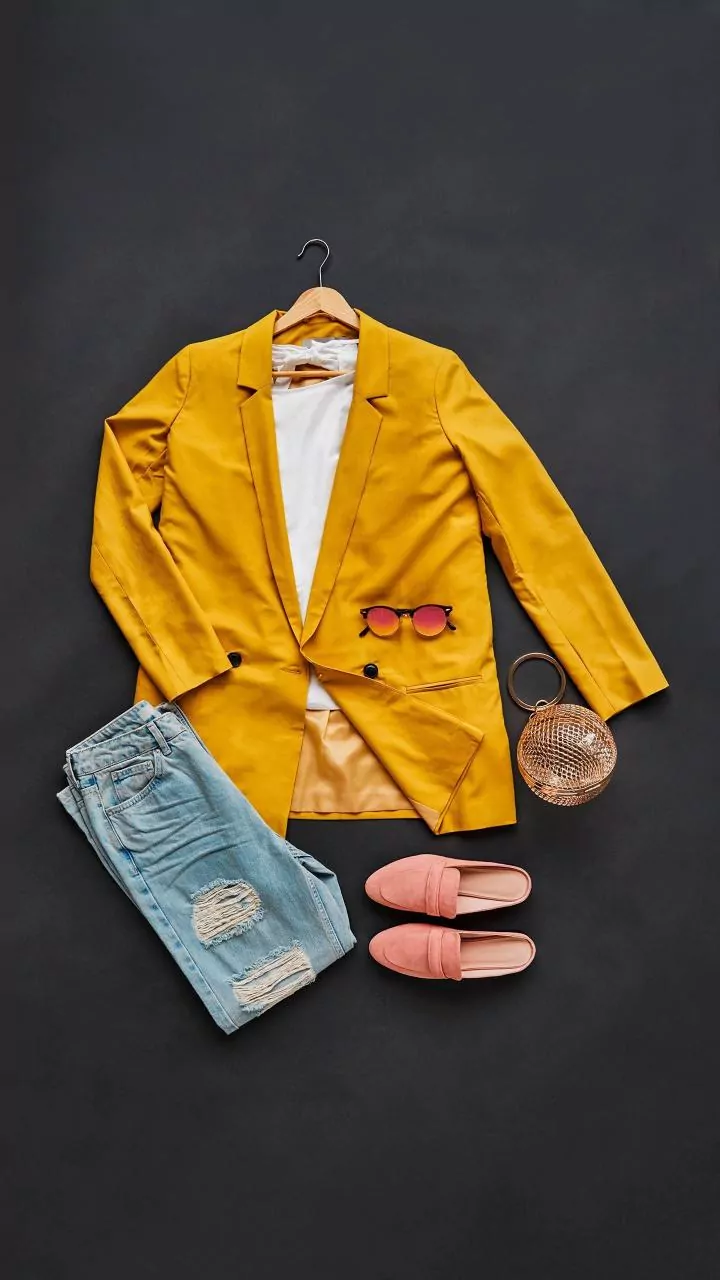
Great layering is as much about aesthetics as it is about function. Mixing different textures adds depth and sophistication to an outfit. Try combining sleek silk with a cozy wool knit, or casual denim with luxurious cashmere. Balancing proportions is also crucial for a flattering silhouette. If you're wearing an oversized coat or cardigan, pair it with a more fitted base layer and slim trousers. Alternatively, let a longer shirt peek out from under a cropped jacket to create visual interest and an elongated line.
Don't Underestimate Accessories
Accessories are the final, transformative touch in a layered look. A simple outfit can be completely reinvented with the right additions. Scarves, for instance, not only provide warmth but also offer a chance to introduce a pop of colour or pattern. Tights and leggings are essential for making dresses and skirts wearable in the cold. Swapping sandals for ankle boots or loafers instantly makes an outfit feel more appropriate for autumn. Even a structured bag can make a casual summer look feel more polished and ready for a new season.