




The Magic of Compression
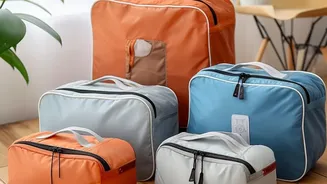
Vacuum compression bags are plastic pouches designed to have excess air removed, significantly reducing the volume of soft goods. For travellers, this means bulky items like beach towels, hoodies for cool nights, and extra outfits can be condensed to a fraction
of their original size. By removing the air trapped between fabric fibres, these bags can free up a remarkable amount of space—some estimates suggest as much as 60 percent—allowing you to either pack more essentials or opt for a smaller, lighter suitcase. This makes them particularly useful for anyone trying to stick to carry-on-only travel.
A Shield Against Humidity and Spills
For a humid beach destination, the benefits of compression bags go beyond just saving space. The airtight seal offers superior protection against the elements. Your clothes will be safeguarded from ambient moisture, which can leave fabrics feeling damp and musty even before you've worn them. Furthermore, they act as a waterproof barrier inside your luggage. A leaking sunscreen bottle or a damp swimsuit from a last-minute dip won't ruin the rest of your wardrobe. You can also use a spare bag to segregate dirty or wet laundry from clean clothes on your return journey, keeping everything organized and fresh.
How to Pack Like a Pro
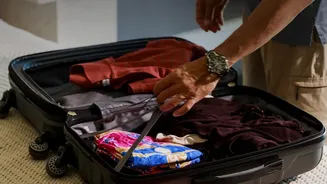
To get the most out of your compression bags, a little technique goes a long way. Start by ensuring all clothes are clean and completely dry to prevent mildew. Neatly fold or, even better, roll your clothes before placing them inside; rolling can help minimize deep-set wrinkles. Be careful not to overfill the bag, as this can strain the zipper and compromise the seal. Leave a bit of space near the closure. Once sealed, use the provided pump or simply roll the bag to expel the air through the one-way valve, depending on the type you have.
Choosing the Right Pouch for Your Trip
Not all compression bags are created equal. For travel, manual roll-up bags are often the most convenient as they don't require a vacuum cleaner or a separate pump, which you may not have at your destination. These are ideal for compressing clothes on the go. However, if you're packing exceptionally bulky items like pillows or heavy jackets, a system with a small, portable electric or hand pump might provide better compression. It's also wise to use several smaller bags rather than one jumbo one; this allows for better organization and makes it easier to arrange the compressed, dense blocks within your suitcase.
The Wrinkle Factor and Other Considerations
The most significant drawback of compression bags is the potential for wrinkles. While casual wear like t-shirts, activewear, and towels tend to fare well, structured or easily creased fabrics like linen or formal shirts can emerge heavily wrinkled. To combat this, unpack and hang your compressed items as soon as you arrive at your hotel. Some travellers use the bags for compression only on the return trip with dirty laundry. Also, remember that while these bags reduce volume, they do not reduce weight. It’s easy to overpack and exceed airline weight limits, so be sure to weigh your suitcase before heading to the airport.