






Take a Gentle Walk
One of the most recommended post-meal activities is a short, gentle walk. Experts suggest that a 10 to 15-minute stroll can work wonders for your body. Movement helps stimulate the stomach and intestines, allowing food to move through your digestive system
more efficiently, which can reduce feelings of bloating and gas. It’s not about burning off the meal, but rather aiding the body’s natural processes. This light activity also helps your muscles absorb glucose from the bloodstream, which can prevent sharp spikes and subsequent crashes in blood sugar levels. Research indicates that walking shortly after eating is particularly effective for blood sugar management. For best results, aim for a low-to-moderate intensity walk, ideally starting within 30 minutes of finishing your meal.
Stay Upright and Avoid the Couch
The urge to lie down for a nap or relax on the sofa after a hearty meal can be strong, but experts advise against it. When you lie down immediately after eating, you lose the assistance of gravity in the digestive process. This can slow digestion and increase the risk of acid reflux, where stomach acid flows back into the esophagus, causing heartburn and discomfort. To avoid this, it's recommended to wait at least two to three hours after a meal before lying down flat. If you can't walk, even just standing or sitting upright is a better alternative than reclining. This simple change in posture helps ensure your stomach contents move in the right direction.
Hydrate—But Don't Overdo It
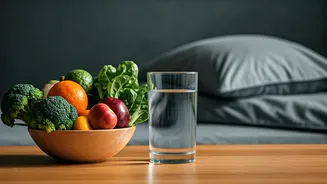
Water is essential for good digestion, as it helps break down food and allows your body to absorb nutrients. Contrary to a common myth, drinking water with or after a meal does not dilute digestive juices in a harmful way. However, moderation is key. Sipping water after a meal can help your system process the food and can also help flush out excess sodium. Chugging large amounts of water when you're already full can lead to discomfort and bloating. Experts suggest sipping a glass of warm water about 30 minutes after your meal to aid digestion effectively without causing any strain.
Avoid Strenuous Exercise
While a gentle walk is beneficial, intense exercise right after a meal is not. Activities like running, weightlifting, or high-intensity interval training divert blood flow away from your digestive system and toward your working muscles. This can interfere with digestion and lead to uncomfortable symptoms like cramping, nausea, and bloating. As a general rule, it's best to wait at least 1 to 2 hours after a moderate-sized meal before engaging in vigorous physical activity. For larger meals, you may need to wait even longer, around 3 to 4 hours.
Consider a Calming Ritual
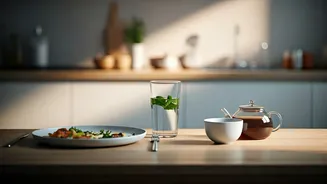
Your state of mind can also influence digestion. Stress can negatively impact your gut, so incorporating a relaxing activity after a meal can be beneficial. Taking a few moments for deep diaphragmatic breathing can activate the parasympathetic nervous system, also known as the "rest and digest" state. This helps lower stress hormones and allows your body to focus on digesting your food efficiently. Other options include sipping on a soothing herbal tea like peppermint, ginger, or chamomile, which are known to have digestive benefits. These simple rituals can help transition you from your meal in a calm and healthy way.