




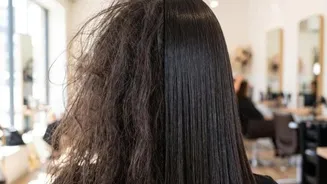
Adjust Your Washing Routine
While a steamy shower feels great on a cold day, very hot water can strip your hair and scalp of their natural, protective oils. Try washing your hair with lukewarm water instead. Consider reducing your wash frequency to every other day, or even a few
times a week, to allow these natural oils to keep your hair moisturised. If your hair feels oily between washes, a good dry shampoo can be a great way to stay fresh without over-cleansing.
Upgrade to a Hydrating Shampoo
The shampoo that worked for you in the humid summer months might not be enough to combat winter dryness. It's a good time to switch to a more moisturising, hydrating shampoo and conditioner. Look for products formulated with nourishing ingredients like hyaluronic acid, shea butter, or argan oil, which help replenish lost moisture and keep your hair feeling soft. These ingredients work to either draw moisture into the hair shaft or seal it in, providing a much-needed defense against the dry air.
Embrace Weekly Hair Masks
Think of a hair mask as a supercharged conditioner. Using a deep-conditioning treatment once a week can dramatically improve your hair's health during winter. These masks are packed with concentrated ingredients that penetrate the hair shaft to provide intense hydration, repair damage, and improve elasticity. This weekly ritual helps fortify your strands against breakage and restores a healthy shine that the cold weather can diminish.
Turn Down the Heat Styling
Your hair is already more vulnerable in the winter, and adding excessive heat from styling tools can worsen dryness and lead to breakage. Whenever possible, give your hair a break by air-drying or trying heatless styles like braids and buns. If you must use hot tools, always apply a heat protectant spray first to create a barrier and minimise damage. Reducing the temperature on your tools can also make a significant difference.
Protect Your Hair Outdoors
Wearing a hat is a great way to protect your hair from harsh winds and cold, but the wrong material can cause problems of its own. Fabrics like wool can create friction, leading to frizz and breakage. To prevent this, choose hats with a silk or satin lining, which are much gentler on your hair. Alternatively, you can wrap your hair in a silk scarf before putting on your favourite winter beanie.
Don't Forget Your Scalp
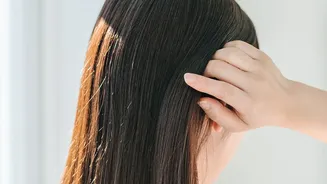
A healthy scalp is the foundation of healthy hair, and it also needs extra care in the winter. The dry air can cause your scalp to become dry, itchy, and flaky. Gently massaging your scalp a few times a week can help stimulate blood circulation and nourish the hair roots. You can also incorporate a lightweight scalp oil with ingredients like jojoba or argan oil to soothe dryness without clogging follicles. Maintaining a balanced scalp helps prevent irritation and promotes stronger hair growth.