





From One Big Trip to Many Small Moments
The long-held tradition of one big annual vacation, meticulously planned months in advance, is losing its grip on India’s youngest generation of adults. A recent report highlighted that seven in ten Gen Z travellers in India would rather take three short
trips than one long holiday. Another survey found that 87% prefer trips that last less than a week. This move towards shorter, more frequent getaways fits the rhythm of their lives. Packed university schedules, early career demands, and the pressures of internships make it easier to slip away for a long weekend than to coordinate a multi-week family saga. The annual holiday isn’t dead, but it’s no longer the only trip that matters. Instead, travel has become a more regular and reflexive part of life, often booked just weeks or even days in advance.
The Search for Personalised Experiences
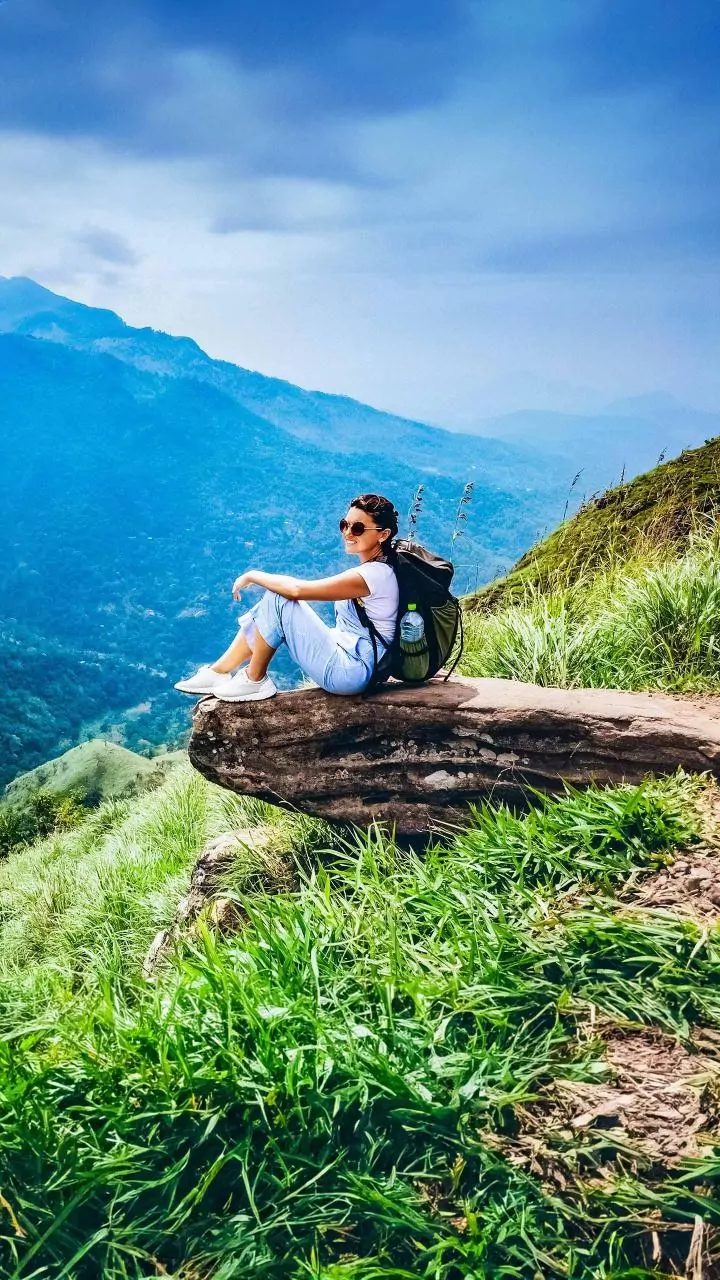
Unlike previous generations, for whom the destination was often secondary to the act of gathering, Gen Z travels with a strong sense of purpose. An overwhelming 95% want their trips to feel personal and unique, not pre-planned or typical. It’s less about ticking off famous monuments and more about curating an experience that reflects their identity. This could mean a trip built around a music festival, a culinary deep-dive into a local food scene, a spiritual retreat, or simply a quiet escape to a cabin in nature. This generation seeks self-discovery and meaningful connections through travel. Accommodation itself has become part of the experience, with a preference for unique homestays or shared villas over conventional hotels.
Friends, Solo Trips, and The New ‘Family’
A significant factor in this changing model is who Gen Z chooses to travel with. While family remains important, there is a marked shift away from family-led travel. One survey indicated that 57% of Gen Z prefer travelling with a partner, while 22% opt for solo trips. Another found that an astounding 83% of Gen Z travellers were willing to help pay for a friend's holiday, highlighting the central role peers now play. For many, especially young women, group trips with like-minded strangers also offer a blend of independence and safety. This rise of “friend-cations” and solo travel signifies a desire for autonomy and experiences shared with a chosen, rather than inherited, circle.
The Social Media Itinerary
It's impossible to discuss Gen Z's travel habits without mentioning the influence of social media. Platforms like Instagram and TikTok have become the new travel agents. Inspiration no longer comes from guidebooks but from a Reel showcasing a hidden café, a creator’s journey on a scenic train route, or a friend’s story from an offbeat destination. This has reshaped how places are discovered. The drive to capture unique, aesthetically pleasing, and shareable content often steers them toward destinations that offer a distinct visual story, a far cry from the predictable backdrop of many traditional family holidays. However, this can also create unrealistic expectations and contribute to over-tourism at newly viral spots.
It’s an Evolution, Not a Rejection
This trend doesn't necessarily signal a complete break from family. Rather, Gen Z is redefining what family travel looks like. They might still join the big family holiday for a few days or opt for shorter trips with parents on their own terms. Some data shows that young travellers are still driven by a desire for meaningful connections with loved ones. Furthermore, a parallel trend of 'skip-gen' travel is emerging, where grandparents take their grandchildren on holidays, allowing for a different kind of family bonding. The shift, therefore, is not an outright rejection of family but an expansion of the travel portfolio. Gen Z is simply adding more chapters to their travel diaries, filled with solo adventures, friend getaways, and redefined family moments.