



A Shift from the Showroom to the Soulful
For years, the ideal urban home aesthetic was dominated by clean lines, minimalist furniture, and a sense of flawless uniformity. It was a look easily purchased from large-scale retailers, promising a quick and stylish fix. However, a growing number of homeowners
are now looking past this cookie-cutter perfection. They are instead seeking out pieces with personality, history, and the subtle imperfections that signal a human touch. This pivot isn't just about aesthetics; it's a reaction against the impersonal nature of mass-produced goods, which can often leave a home feeling generic. The trend is a move towards creating spaces that feel collected and personal, rather than engineered for a catalogue.
The Allure of a Story
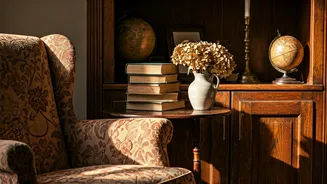
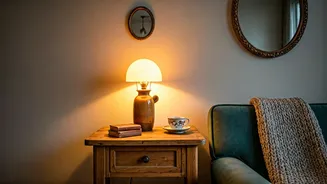
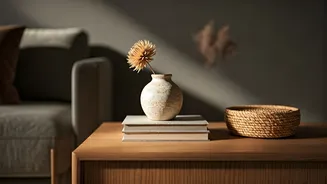
Every vintage or handmade item brings with it a narrative. A weathered wooden table might carry the faint marks of generations of family dinners, while a hand-thrown ceramic vase tells the story of its maker's craft. This inherent history provides a depth and soul that new, machine-made items often lack. In a world saturated with digital experiences, there is a rising craving for tangible objects that feel authentic and original. This desire for connection is a powerful driver, transforming homes from simple living quarters into curated spaces that reflect the owner's personal journey and values. Choosing these pieces is less about decorating and more about storytelling.
Sustainability as a Style Statement
The movement towards vintage and handmade décor is also deeply connected to a growing consciousness around sustainability. As consumers become more aware of the environmental impact of “fast furniture” and mass production, they are seeking more responsible ways to furnish their homes. Choosing a vintage piece is an act of recycling, giving a well-made item a second life and preventing it from ending up in a landfill. Similarly, supporting artisans who use local, natural, or reclaimed materials helps promote ethical production and reduce the carbon footprint associated with global supply chains. Natural materials like wood, jute, and organic cotton, often found in both vintage and handmade goods, are central to this eco-friendly trend. This approach proves that a beautiful home doesn't have to come at the expense of the planet.
Finding Comfort in Craftsmanship
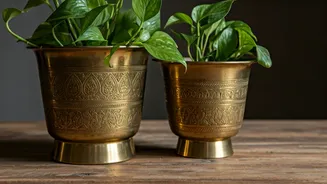
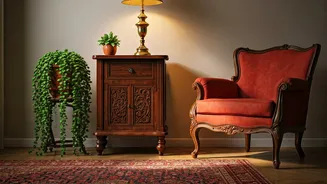
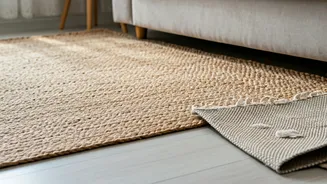
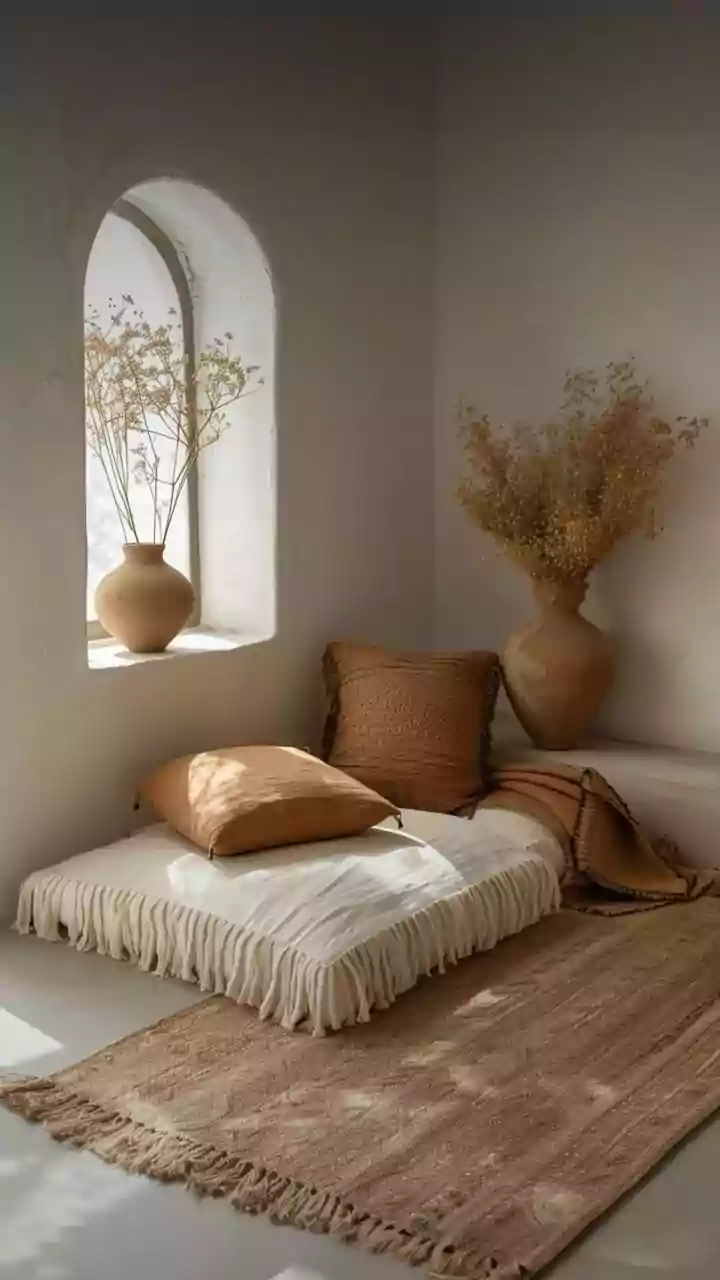
There is an undeniable quality to items made before the era of mass production. Vintage furniture often features solid wood construction, dovetail joints, and a level of artistry that was intended to last for generations—a stark contrast to the particleboard and complex assembly instructions of today. Likewise, handmade goods celebrate the skill of the artisan, with a focus on quality over quantity. These pieces—whether it’s a handwoven rug, a custom-made light fixture, or a piece of studio pottery—add a layer of warmth and character that makes a space feel more inviting and lived-in. The visible craftsmanship provides a sense of authenticity and care that mass-produced items struggle to replicate.
How to Embrace the Trend
Incorporating vintage and handmade décor doesn't require a complete overhaul. It's about slowly collecting meaningful items over time. Start small by visiting local flea markets, antique shops, or artisan fairs. Online marketplaces have also made it easier than ever to find unique, pre-loved, and handcrafted pieces from around the world. Look for items that speak to you personally, whether it's a set of quirky old prints, a beautifully worn leather chair, or handmade cushions made from sustainable textiles. The goal is not to create a perfect period-piece room, but to blend old and new in a way that feels balanced and authentic to you. This slow, considered approach to decorating ensures your home becomes a true reflection of your personality and story.