



Why This Duo Works Wonders
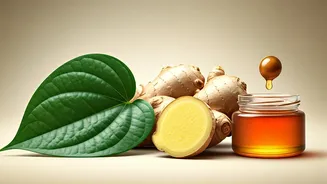
In the world of 'gharelu nuskhe' (home remedies), certain ingredients are legendary for their effectiveness, and ginger and betel leaves are top-tier. This isn't just about tradition; modern science is catching up to what our grandmothers have known for ages.
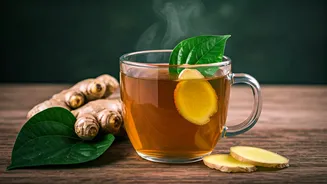
The combination targets common digestive complaints from multiple angles, offering a gentle yet effective solution for that post-meal discomfort. Ginger provides a warm, pungent kick, while betel leaf adds a unique, slightly peppery note, creating a brew that is as healing as it is flavourful.
The Digestive Power of Ginger (Adrak)
Ginger, or adrak, is a cornerstone of Ayurvedic medicine for a reason. Its primary active compound, gingerol, is a powerhouse. It is renowned for its ability to soothe nausea and calm an upset stomach. But its benefits go deeper. Ginger helps stimulate digestive enzymes and speeds up gastric emptying—meaning it helps move food from your stomach to your small intestine more efficiently. This process can provide significant relief from that feeling of food just 'sitting' in your stomach, which is a common cause of indigestion and bloating. Its anti-inflammatory properties can also help calm an irritated digestive tract.
The Unsung Hero: Betel Leaf (Paan)
When we hear 'paan', many of us think of the complex mouth freshener sold at street corners. However, it's crucial to distinguish the betel leaf itself from the betel quid (which often contains tobacco and areca nut). On its own, the betel leaf is a digestive aid celebrated for centuries. It is known to stimulate the release of saliva, which is the first step in digestion. More importantly, it has strong carminative properties, which means it helps prevent the formation of gas in the gastrointestinal tract and facilitates its expulsion. This makes it incredibly effective for relieving bloating and flatulence. It also contains antioxidants and can help freshen your breath, a pleasant side effect.
How to Make Your Soothing Tea
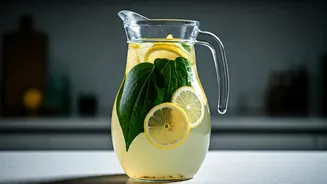
Making this tea is incredibly simple. You don’t need any fancy equipment, just a few fresh ingredients. Here’s a basic recipe you can adjust to your taste. **Ingredients:** - 2 cups of water - 1-inch piece of fresh ginger (adrak), washed and lightly crushed or grated - 2 fresh betel leaves (paan), washed - 1 teaspoon of honey or jaggery (optional, for taste) - A few drops of lemon juice (optional) **Instructions:** 1. Pour the water into a small saucepan and bring it to a boil. 2. Add the crushed ginger to the boiling water. 3. Let the ginger simmer for about 3-4 minutes to allow its oils to infuse the water. 4. Tear the betel leaves into smaller pieces and add them to the saucepan. 5. Continue to simmer for another 1-2 minutes. Don't over-boil the betel leaves, as they can turn bitter. 6. Turn off the heat. Strain the tea into a cup. 7. If you prefer a bit of sweetness, stir in honey or jaggery until it dissolves. A squeeze of lemon can add a nice touch of Vitamin C and brightness.
When to Drink and A Word of Caution
This tea is most effective when consumed warm, about 20-30 minutes after a heavy meal, to help kickstart the digestive process and prevent discomfort. You can also drink it when you feel the first signs of bloating or indigestion. However, while this is a wonderful natural remedy for mild, occasional stomach issues, it is not a cure-all. If you experience severe, persistent, or recurring stomach pain, chronic acid reflux, or other serious symptoms, it is essential to consult a doctor. This tea may not be suitable for everyone. Individuals on blood-thinning medication or with bleeding disorders should be cautious with ginger. Pregnant or breastfeeding women should always consult their healthcare provider before trying new herbal remedies.