




Why Safety Warnings Come First
The most important information on any cleaning product isn’t what it cleans, but how to use it safely. Many household cleaners contain powerful chemicals that can be harmful if used improperly. Labels include crucial “signal words” that indicate the level
of potential hazard. “Danger” or “Poison” signifies the highest toxicity, where just a few drops could be lethal if ingested. “Warning” indicates a moderately toxic product, while “Caution” suggests lower toxicity. These are not suggestions; they are critical alerts. Ignoring them can lead to respiratory problems, skin burns, eye irritation, and other serious health issues. Proper ventilation and personal protective equipment (PPE) like gloves and safety glasses are often recommended for a reason—to protect you from chemical exposure.
Don't Mix: The Cardinal Rule of Cleaning
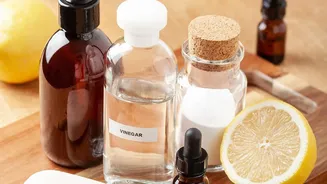
It might seem like combining two cleaners would double their power, but it’s a dangerous mistake that can create toxic gases. One of the most common and hazardous mixtures is bleach and ammonia. When combined, they produce chloramine gas, which can cause coughing, chest pain, nausea, and shortness of breath. Ammonia is a frequent ingredient in glass cleaners, so you should never mix them with bleach. Another deadly combination is bleach and an acid-based cleaner, such as many toilet bowl or rust removers. This mixture releases chlorine gas, which can cause severe respiratory damage and chemical burns to the eyes, skin, and lungs even at low levels. Even common household items like vinegar (an acid) are dangerous to mix with bleach. To stay safe, use one product at a time and ensure the area is well-ventilated before using another.
Protecting Your Home's Surfaces
Beyond personal safety, the label provides directions to protect your property from irreversible damage. Using the wrong product can be a costly error. For instance, acidic cleaners, including vinegar, can etch and dull natural stone surfaces like marble, granite, and limestone by dissolving the material’s weaker particles. Bleach, while a powerful disinfectant, can discolor colored grout and corrode metal fixtures. Even products labeled “all-purpose” are not safe for every surface. Harsh chemicals in these cleaners can strip the finish from hardwood floors, dry out and crack leather upholstery, or damage the protective coatings on non-stick cookware and electronic screens. Disinfecting wipes often contain alcohol that can wear down the finish on wood furniture.
A Simple Pre-Cleaning Checklist
Before you begin any cleaning task, take 30 seconds to run through this simple mental checklist. First, read the label, paying close attention to safety warnings and the surfaces it's designed for. Check for any dangerous combinations with products you may have recently used. Second, ensure you have proper ventilation by opening windows or turning on a fan, especially when using products with strong fumes. Third, put on protective gear if the label recommends it. At a minimum, gloves are always a good idea to protect your skin. Finally, if you’re using a new product on a sensitive or visible surface, always perform a spot test in an inconspicuous area first to see how the surface reacts. This small step can save you from a huge headache and expensive repairs.