







A Landmark Agreement Comes to Life
After years of discussions, a comprehensive Free Trade Agreement (FTA) between India and New Zealand officially came into effect on October 20, 2026. The deal, which was signed on April 27, 2026, represents a significant milestone, reviving talks that
had previously stalled and concluding them in a record nine months. The agreement’s entry into force signals a mutual commitment to deepen economic ties, with both nations looking to translate diplomatic success into tangible benefits for their respective economies. For India, this is its 17th operational FTA and reflects a broader strategy of forging strategic partnerships with developed economies in the Indo-Pacific region.
The Core Focus: Fuelling Job Growth
A central pillar of the India-New Zealand FTA is its emphasis on employment. The deal is designed not just to boost trade volumes but to create jobs, particularly for India’s youth, women, and small and medium-sized enterprises (MSMEs). For New Zealand, Prime Minister Christopher Luxon has highlighted that the agreement will foster economic growth, leading to more jobs and higher incomes for Kiwis. The pact creates structured pathways for Indian professionals, with provisions for 5,000 temporary visas for skilled workers in fields like IT, healthcare, and engineering. This focus on professional mobility, alongside expanded post-study work rights for Indian students in New Zealand, underscores a partnership that extends beyond goods to human capital.
Unlocking Opportunities for Indian Exporters
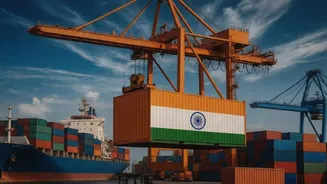
One of the most significant outcomes for India is achieving 100% duty-free access for all its exports to New Zealand from day one. This move eliminates tariffs that were as high as 10%, immediately making Indian products more competitive. Key sectors poised to benefit include labour-intensive industries like textiles, apparel, leather goods, and footwear. Additionally, opportunities are expected to flourish for pharmaceuticals, engineering goods, gems and jewellery, and processed foods. By removing these trade barriers, the agreement opens the New Zealand market to a wider range of Indian businesses, from established manufacturers to artisans and first-generation entrepreneurs.
Strategic Investments and Agricultural Cooperation
Beyond tariff reductions, the agreement includes a major investment component. New Zealand has committed to facilitating USD 20 billion in investment into India, targeting sectors like manufacturing, infrastructure, and start-ups. This influx of capital is intended to support opportunities for MSMEs and women-led enterprises. The FTA also establishes an 'Agricultural Productivity Partnership'. While India's most sensitive agricultural sectors like dairy remain protected, the two countries will collaborate on improving productivity for products like apples, kiwifruit, and honey through Centres of Excellence. This balanced approach aims to bring global technology and best practices to Indian farmers while safeguarding their livelihoods.
The Road Ahead: From Paper to Practice
With the agreement now active, the focus shifts to implementation and ensuring that the projected benefits are realised. Experts caution that duty-free access alone does not guarantee commercial success; Indian exporters will still need to navigate challenges related to logistics, quality standards, and building local relationships in the New Zealand market. The true success of the FTA will be measured over the next few years by indicators such as sustained export growth, increased capacity utilisation for Indian manufacturers, and the creation of profitable, long-term trade relationships. The goal for both nations is to double their bilateral trade by 2030 and build a resilient economic partnership that can weather global uncertainties.