


The Hidden Dangers of Damp Fur
Letting your pet air-dry, especially during humid monsoon seasons, might seem harmless, but it creates a perfect breeding ground for health issues. Trapped moisture against the skin can lead to a host of problems. Fungal and bacterial infections, like
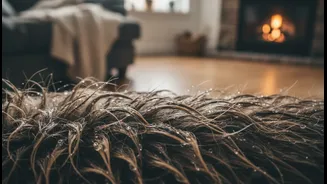
pyoderma and yeast dermatitis, thrive in warm, damp environments created by wet fur. This can cause intense itching, redness, foul odours, and painful sores. One of the most common results is acute moist dermatitis, also known as 'hot spots'. These are rapidly developing, painful, and inflamed skin lesions that can appear almost overnight, often made worse by your pet's own licking and scratching. Furthermore, damp fur can lead to matting, which pulls on the skin, traps more moisture and dirt, and can even hide parasites like fleas and ticks. In cooler weather, a wet coat can also prevent your pet from regulating their body temperature, causing them to feel cold and uncomfortable.
Your Essential Drying Toolkit
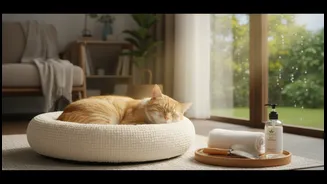
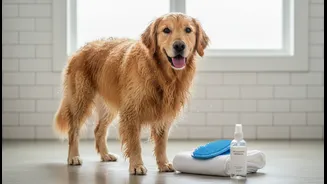
Being prepared makes the drying process faster and more effective. You don’t need a professional grooming setup, but a few key items will make a world of difference. First, invest in highly absorbent towels. Microfiber towels designed specifically for pets are an excellent choice as they soak up more water than standard cotton towels and are lightweight. Having a few clean ones on hand is always a good idea. For pets with thick or long coats, a pet-specific blow dryer is a worthy investment. These are designed not to get as hot as human hairdryers, protecting your pet’s sensitive skin from burns. A good quality brush or comb appropriate for your pet’s coat type is also essential for preventing tangles and ensuring air can circulate through the fur.
The Right Way to Towel Dry
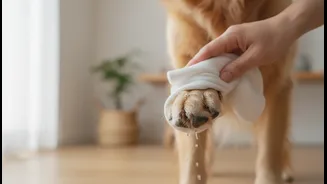
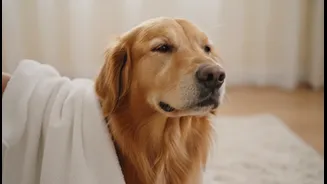
Your towel-drying technique matters more than you might think. The common instinct is to rub the fur vigorously to get the job done quickly, but this is a mistake. Vigorous rubbing can irritate the skin and cause the fur to tangle and mat, especially in long-haired breeds. Instead, use a gentle patting or blotting motion. Press the absorbent towel firmly against your pet's coat, allow it to soak up the moisture, and then move to the next section. Work your way from their head and neck down to their body, legs, and tail. Pay special attention to areas that trap moisture, such as the paws (especially between the toes), underbelly, armpits, and ears. If one towel becomes saturated, switch to a dry one to continue the process until you've removed as much excess water as possible.
Using a Blow Dryer Safely
For many pets, especially those with dense undercoats, a towel alone won't get them completely dry. A blow dryer can finish the job, but it must be used correctly. Always use a pet-specific dryer if possible, or a human dryer on its lowest heat and speed setting. The air should feel cool or lukewarm on your own skin. Keep the dryer moving continuously and maintain a safe distance of at least a few inches from your pet’s skin to prevent burns and irritation. Never concentrate the airflow on one spot for too long. Start with less sensitive areas like their back and shoulders before moving to the head, ears, and paws. Watch your pet’s body language closely. Signs of discomfort, like restlessness or panting, mean you should take a break or lower the settings. For pets new to the dryer, introduce it slowly with treats and praise to create a positive association.
Special Care for Different Coats and Paws
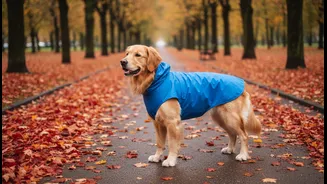
Different pets have different needs. Short-coated breeds may only require a thorough towel drying, while long-haired or double-coated breeds like Golden Retrievers or German Shepherds will almost certainly need a blow dryer to ensure their dense undercoat is fully dry. Regular brushing is crucial for these breeds to prevent mats that trap moisture. Regardless of coat type, always check and clean their paws after a walk in the rain. Mud and dirty water can get trapped between their paw pads, creating a prime spot for fungal infections. Wipe paws clean with a damp cloth or pet-safe wipes and dry them thoroughly. Maintaining a clean, dry coat is a simple but powerful way to ensure your pet remains healthy and happy, no matter the weather.