






Why Humidity Wreaks Havoc on Skin
The core issue during the monsoon is high humidity. When the air is saturated with moisture, your sweat doesn't evaporate as quickly. Instead, it sits on your skin, mixing with your natural oils (sebum) and environmental pollutants. This sticky cocktail
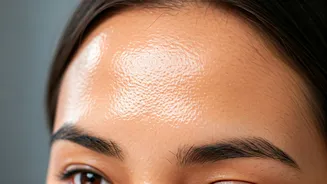
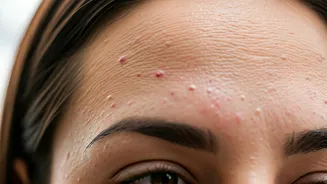
is the perfect recipe for clogged pores. Furthermore, high humidity can actually signal your skin's sebaceous glands to produce even more oil, creating a greasy film that becomes a breeding ground for acne-causing bacteria and sometimes even fungal growth. This combination of excess oil, trapped sweat, and blocked pores leads to the blackheads, whiteheads, and inflamed pimples that characterise 'monsoon acne'.
Cleanse Gently, But Thoroughly
Cleansing is your first line of defence, but the key is to be gentle. Washing your face twice a day is usually sufficient to remove the buildup of sweat, oil, and grime without stripping your skin's protective barrier. Over-washing can backfire, causing dryness that triggers even more oil production. Look for a mild, pH-balanced, or sulphate-free cleanser. If you have oily or acne-prone skin, consider a face wash containing salicylic acid, which helps to gently exfoliate and keep pores clear.
Switch to a Lightweight Moisturiser
It's a common mistake to skip moisturiser when your skin feels sticky or oily. However, hydration is different from oiliness. Even oily skin needs moisture to maintain a healthy barrier. During the monsoon, simply switch out your heavy creams for a lightweight, oil-free, and non-comedogenic (meaning it won't clog pores) formula. Gel-based or water-based moisturisers are excellent choices as they provide necessary hydration without adding to the greasy feeling. This helps keep your skin balanced and prevents it from overcompensating with more oil.
Don’t Skip Sunscreen on Cloudy Days
Even when it's grey and overcast, up to 80% of the sun's harmful UV rays can penetrate the clouds. Skipping sunscreen during the monsoon is a mistake that can lead to sun damage, tanning, and pigmentation. The challenge is finding a formula that doesn't feel heavy in the humid weather. Opt for a broad-spectrum sunscreen with at least SPF 30. Look for lightweight, gel-based, or matte-finish sunscreens that are labelled 'non-comedogenic' to ensure they protect your skin without contributing to breakouts.
Exfoliate, But With Caution
Regular exfoliation is crucial for removing the dead skin cells that can contribute to clogged pores. However, it's important not to be too aggressive. Harsh physical scrubs can irritate the skin and worsen inflammation, especially if you already have active breakouts. Instead, consider a gentle chemical exfoliant containing ingredients like Alpha Hydroxy Acids (AHAs) or Beta Hydroxy Acids (BHAs) like salicylic acid. Using such a product once or twice a week is usually enough to keep your skin smooth and clear without damaging its natural barrier.
Rethink Your Makeup and Habits
Heavy, oil-based makeup can be a major problem in humid weather, as it can melt, slide, and clog pores. If possible, keep your makeup minimal during the monsoon. When you do wear it, choose lightweight, water-based, and non-comedogenic products. It's also critical to remove all makeup thoroughly before bed. Simple lifestyle adjustments can also help significantly. Avoid touching your face, as this can transfer dirt and bacteria. Change your pillowcases and towels frequently, and keep your hair clean and tied back to prevent oils from transferring to your skin.