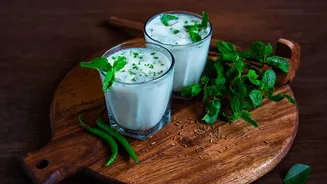







For generations, it’s been the tangy, spiced secret to settling a heavy meal. But India's humble cumin, or jeera, soda is shedding its reputation as just a digestive aid and stepping into the spotlight as a mainstream beverage hero.
From Post-Meal Ritual to Prime Time
For years, a cold drink
in India often meant a cola. But that's changing, thanks to a spice found in every Indian kitchen: jeera. Traditionally, jeera soda was the drink you reached for after a heavy meal, a street-side staple known for its digestive properties. Cumin has been used in Ayurveda for centuries to stimulate digestive enzymes, reduce bloating, and ease discomfort. This functional benefit made it a beloved, if situational, beverage. However, the drink rarely went beyond this role. Brands that launched decades ago, like House of Bindu, saw relatively flat sales for years. The market was fragmented, dominated by local street vendors and small-scale sellers. Few had successfully built a major commercial brand around the flavour. That has all changed dramatically.
A Wave of 'Modern Traditional' Beverages
The resurgence of cumin soda is part of a larger trend of 'modern traditional' beverages gaining traction in India. Consumers are increasingly turning away from overly sweet, artificial drinks and embracing flavours that feel both familiar and authentic. This 'botanical revival' has seen a renewed interest in drinks made from natural fruits, herbs, and spices rooted in cultural wisdom. Brands are now packaging traditional recipes like aam panna, kokum sherbet, and sattu sharbat in convenient, modern formats, retaining their authenticity while enhancing convenience. Cumin soda fits perfectly into this movement. Its spicy, tangy, and slightly salty profile offers a more complex alternative to standard sugary sodas. This shift is reflected in the market, where homegrown ethnic beverages have doubled their market share in recent years, chipping away at the long-held dominance of global cola giants.
The Health-Conscious Consumer
A growing awareness of health and wellness is a major force behind jeera soda's new relevance. As consumers scrutinize labels for sugar content and artificial ingredients, cumin soda presents itself as a better alternative. While not strictly a health drink—many versions contain sugar and salt—its functional benefits give it a clear edge. The perception of jeera as a natural digestive aid is a powerful motivator for purchase. Responding to this demand, some brands have even launched zero-sugar versions to appeal directly to the health-conscious demographic. This aligns with a broader market shift towards functional beverages that do more than just quench thirst, from boosting immunity to supporting gut health.
The Business of Fizz
The numbers tell a compelling story. India's non-alcoholic beverage market was valued at over $32 billion in 2024 and is projected to grow significantly. Within this expansive market, cumin-flavoured drinks are now the fastest-growing category among carbonated beverages for some companies. For instance, House of Bindu saw cumin soda's contribution to its revenue double from 20% to 40% in just five years. New players like Lahori Zeera, which started as a kitchen experiment in 2017, have grown into major challengers, expecting revenues of over $115 million. This success has prompted legacy brands like Parle Agro and Campa Cola to launch or expand their own jeera offerings, validating its market potential. The surge is so significant that online delivery platforms reported a 900% jump in orders for these drinks during a recent summer.
Beyond a Drink: A Cultural Statement
The rise of cumin soda is more than a business trend; it’s a cultural shift. It represents a move towards reclaiming and celebrating indigenous Indian flavours. Consumers are proudly rediscovering their roots, and the market is responding. The drink's adaptability is key; it's equally at home at a roadside stall, a restaurant, and even as a potential mixer in a modern cocktail bar. This versatility allows it to bridge the gap between tradition and modernity. It’s a flavour that carries a sense of nostalgia while feeling perfectly suited for the contemporary palate, embodying a consumer base that is increasingly proud of its heritage yet open to new experiences.