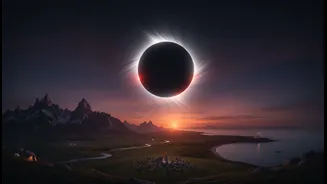









Understanding the Three Key Factors
Planning the ultimate eclipse-chasing trip is a strategic exercise. First-timers often focus only on finding a spot on the centreline of the eclipse path for the longest duration of darkness. While important, a few extra seconds of totality are worthless
if your view is blocked by clouds. A truly successful trip involves a careful calculation of three competing variables: the historical probability of clear skies (sky odds), the ease of getting to and staying in a location (access), and the number of other people who will be there with you (crowd pressure). For the upcoming total solar eclipse on August 12, 2026, the main viewing locations in Europe—primarily Spain and Iceland—present a classic case study in this balancing act. Each destination offers a completely different mix of these three critical elements.
Sky Odds: Chasing a Clear View
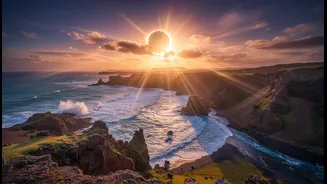
Weather is the single most important variable in eclipse chasing. You can plan everything perfectly, but a single stray cloud at the wrong moment can ruin the entire experience. This is where historical weather data becomes your best friend. For the 2026 eclipse, Spain is the clear winner on this front. The interior regions, such as Castilla y León and the Ebro Valley around Zaragoza, boast a high probability of clear August skies, with some areas having a 70% or greater chance of sunshine. In contrast, Iceland is a much riskier bet. Its dramatic, otherworldly landscapes are a huge draw, but the island is known for famously unpredictable weather, with an average chance of clear skies in August hovering around 40 percent. Even so, a successful viewing in Iceland against a backdrop of glaciers and volcanoes could be a once-in-a-lifetime spectacle. Cruise ships offer a mobile alternative, with the ability to move to clearer skies, but they are often expensive and can face their own challenges at sea.
Access: The Logistics of Getting There
Once you’ve assessed the weather, you have to consider the practicalities. How easy is it to get to the path of totality? Spain offers excellent infrastructure. Major cities like Madrid and Barcelona lie just outside the path, providing bases for travelers who can then drive or take a high-speed train to viewing spots in cities like Zaragoza or Valladolid. The island of Mallorca is also well-connected but is expected to be extremely popular. Iceland, while having good flight connections to its capital, Reykjavík, presents more of a logistical challenge. Fewer lodging options lead to higher prices and less availability, with hotel rates often significantly more expensive than in Spain. Reaching the most scenic viewing spots on peninsulas hours from the capital may require renting a car and navigating roads that could become congested.
Crowd Pressure: Sharing the Spectacle
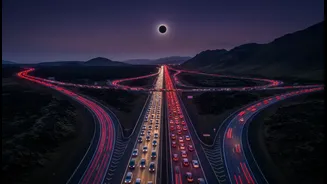
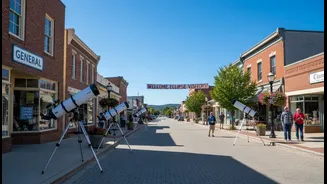
Total solar eclipses are major tourist events, and the 2026 eclipse is expected to draw huge numbers. Spain will likely experience an unprecedented surge of visitors, with some officials predicting around 500,000 people flocking to the Castile and León region alone. This influx will put immense pressure on roads, accommodation, and viewing sites. Popular coastal areas and historic castles could be overwhelmed. To avoid the worst of it, consider less-obvious locations in the vast Spanish interior or be prepared to stake out a spot very early. Iceland, due to its higher cost and more limited infrastructure, may naturally have fewer crowds than Spain, but popular tourist spots along the path of totality will still be busy. Music festivals and organized tours are already being planned, so a quiet, solitary experience will require venturing to more remote areas.
Striking Your Personal Balance
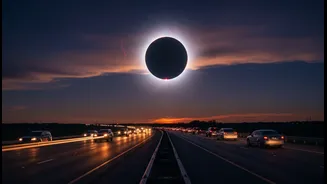
So, what’s the right choice? It depends entirely on your personality and priorities. If you are risk-averse and want the highest possible chance of seeing the eclipse under clear skies with good infrastructure, the inland plains of Spain are your best bet. If you are an adventurous traveler who craves a dramatic, unique landscape and is willing to gamble on the weather (and pay a premium), Iceland could provide an unforgettable, cinematic experience. A special consideration for Spain is that the eclipse occurs very low on the western horizon near sunset. This means securing a viewing spot with a completely unobstructed view to the west is absolutely critical, a challenge in mountainous or built-up areas. Ultimately, the best eclipse trip isn't about finding a single “perfect” spot, but about choosing the destination that offers the right blend of certainty and adventure for you.