





The Outer Shell: Beyond the Umbrella
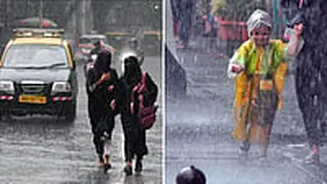
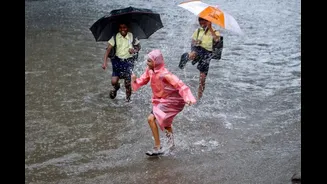
In Mumbai's torrential downpours, a simple umbrella is often no match for the wind and rain, especially in a crowded local train. [5] Investing in a good raincoat or a full rain suit is non-negotiable. For daily commuting, look for a lightweight, breathable,
and packable jacket with a waterproof rating of at least 10,000mm and sealed seams to prevent leaks. [13] Brands like Wildcraft offer jackets that fold into their own pockets, making them easy to carry. [16, 17] A breathable jacket is crucial; in Mumbai's humidity, a non-breathable one will leave you just as wet from sweat as you would be from the rain. [13, 18]
The Fortress: Your Dry Bag
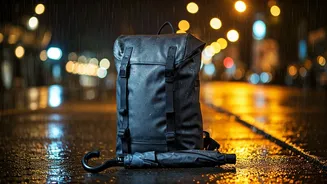
Your leather handbag or standard backpack is not your friend during the monsoon. Water has a way of seeping into everything, putting your electronics and important documents at risk. This is where a dry bag or a waterproof backpack becomes your most valuable accessory. For smaller items like your phone, wallet, and keys, even simple Ziploc bags can be a lifesaver for short trips. [9] For those carrying laptops and other expensive gadgets, investing in a proper waterproof bag is essential to keep everything safe from water damage. [19] Think of it as a small fortress for your most essential belongings.
The Foundation: Flood-Friendly Footwear
This is perhaps the most critical part of your monsoon attire. Leather shoes and anything that soaks up water should be locked away until October. [5] They will be ruined and take forever to dry. [19] The best options are waterproof sandals, floaters, or rubber-soled open-toed shoes that allow water to drain out and your feet to dry quickly. [5, 19] Avoid flimsy slippers that offer no grip on slick, uneven surfaces. Waterproof shoes with non-slip soles are essential for preventing accidents. [19] After wading through waterlogged streets, which is almost inevitable, always wash your feet with soap and water as soon as you get home to prevent infections. [21]
The Commute: Plan, Track, and Adapt
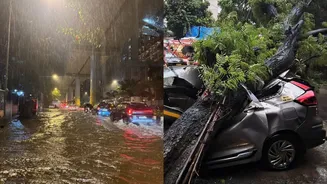
Getting around Mumbai during the monsoon is an exercise in strategic planning. Local trains, the city's lifeline, often face delays or suspensions due to waterlogging on the tracks. [6] It's crucial to follow official updates from the BMC and Mumbai Police on social media before you leave home. [6] Apps that track train and bus statuses are indispensable. If you drive, be aware that traffic can become a nightmare, and roads in low-lying areas are often flooded. [6] The key is to leave early, have backup routes in mind, and if the authorities advise staying home, it's best to listen. [6, 9]
The Secret Weapon: A Dose of Patience
The headline isn't joking. Patience is an essential tool for survival. Trains will be late, traffic will be jammed, and your plans will get cancelled. [6] Getting frustrated is easy, but it won't make the train arrive any faster. Mumbaikars have a fluctuating love-hate relationship with the rain, and part of getting through it is embracing the chaos with a sense of humor. [5] Instead of fuming, use the extra time to listen to a podcast, read a book, or simply watch the rain. This shift in mindset can transform a stressful commute into a moment of unexpected calm. It's about accepting what you can't control and focusing on navigating the storm with grace. [6]
Monsoon Wellness: Health and Hygiene
The rainy season brings a higher risk of water-borne diseases and infections. [3, 4] The humidity is also a breeding ground for germs and fungi. [7] It's crucial to be extra vigilant about hygiene. Wash your hands frequently, especially before eating. [3, 10] It is generally advised to avoid street food, particularly items with uncooked components or water, as contamination risks are higher. [3, 6, 20] Stick to boiled or filtered water and freshly cooked, warm meals. [3, 4, 15] Boosting your immunity with foods rich in Vitamin C, along with staples like ginger and turmeric, can also help your body fight off common monsoon illnesses like colds and flu. [4, 10]