

The Mighty Return of Millets
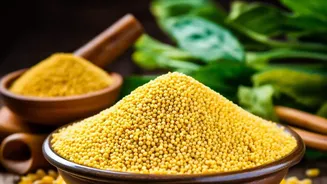
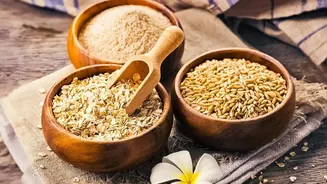
Once a staple across India, millets are making a powerful comeback, and for good reason. These ancient grains are nutritional powerhouses, packed with protein, fibre, vitamins, and, most notably, essential minerals. Unlike refined white flour (maida),
which is a common base for many snacks, millets are complex carbohydrates with a low glycemic index, meaning they release energy slowly and help you feel fuller for longer. They are also naturally gluten-free, making them an excellent choice for those with sensitivities. By incorporating millet flours into our evening snacks, we can transform a simple indulgence into a genuinely nourishing part of the day.
Finger Millet (Ragi): The Calcium Champion
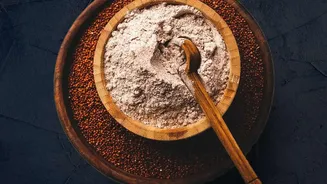
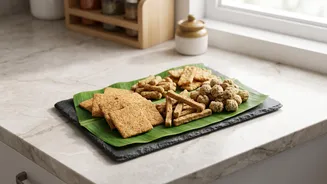
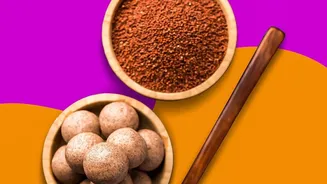
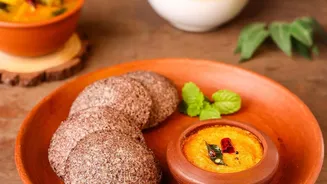
When it comes to mineral content, Ragi, or finger millet, is in a league of its own, especially for its calcium. Some sources indicate it contains over ten times the calcium found in jowar and almost thirty times that of rice. This makes it particularly beneficial for bone health. Ragi's slightly earthy, nutty flavour lends itself beautifully to a variety of snacks. Instead of deep-fried pakoras, try making crispy Ragi pakoras in an air fryer. You can also craft savoury Ragi dosas, or make crunchy, baked 'murukku' (chakli) using ragi flour for a mineral-rich treat that pairs perfectly with a cup of tea.
Pearl Millet (Bajra): The Iron Enhancer
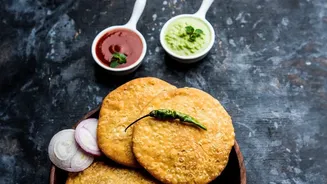
Bajra, or pearl millet, is particularly valued for its high iron content, a crucial mineral for maintaining energy levels and preventing anaemia. Traditionally consumed in states like Rajasthan and Gujarat, especially during winter for its warming properties, bajra has a slightly bitter-sweet taste that adds a rustic depth to snacks. You can easily make baked 'mathri' or crackers by blending bajra flour with whole wheat flour. Another excellent option is preparing small, pan-fried 'vadas' or patties with bajra flour, mixed with chopped onions, coriander, and spices for a flavourful and iron-rich evening snack.
Sorghum (Jowar): The Protein and Fibre Leader
Jowar, also known as sorghum, stands out for its high protein and dietary fibre content compared to many other millets. This combination helps with digestion and promotes a feeling of fullness, curbing the urge to overeat. Jowar has a mild and slightly sweet flavour, making it one of the most versatile millets for savoury dishes. You can use jowar flour to make soft, instant 'cheelas' (savoury pancakes) by mixing it with buttermilk and spices. It also serves as a fantastic, healthier base for a fluffy, steamed dhokla, offering a protein-packed alternative to the traditional version made with processed flours.
Making the Switch Seamlessly
Integrating millets into your snack routine doesn't require a complete overhaul. Start by substituting a portion of the refined flour in your favourite recipes with millet flour. A common guideline is to begin by replacing 25-30% of the regular flour. Since millet flours are gluten-free, they can sometimes result in a denser, more crumbly texture. To counteract this, consider blending different millet flours or adding a binding agent like a bit of yogurt, a mashed potato, or a flax egg. Don't be afraid to experiment. The goal is to find a balance that works for your palate while boosting the nutritional value of your beloved teatime snacks.