






A Stand Against Throwaway Culture
For many Gen Z shoppers, the decision to thrift is a conscious vote against the fast fashion industry, which is a significant contributor to global carbon emissions and water pollution. This generation, defined by its social and environmental awareness,
is acutely conscious of the ethical and ecological cost of rapidly produced, low-quality clothing. Fast fashion's model encourages disposability, leading to millions of tons of textiles ending up in landfills annually. By choosing secondhand, young consumers actively participate in a circular economy, extending the life of garments and reducing the demand for new production. This isn't just about finding a bargain; it's a value-driven choice to support a more sustainable system.
The Search for Authentic Self-Expression
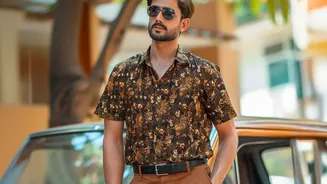
In an age of algorithm-driven trends, standing out is the new fitting in. Fast fashion retail outlets often offer a sea of uniformity, replicating the same few styles across the globe. Thrift markets, in contrast, are treasure troves of unique, one-of-a-kind pieces. For a generation that uses fashion as a primary tool for self-expression and personal storytelling, this is a major draw. Thrifting allows them to curate a wardrobe that feels authentic, personal, and impossible to replicate. Each vintage piece has a history, a story that adds a layer of meaning to their style. It's less about following a trend and more about creating a visual identity that is entirely their own.
Smart Economics in an Uncertain World
While values are a huge driver, practicality plays an undeniable role. Gen Z is navigating a challenging economic landscape, making them highly price-aware and strategic with their spending. Thrift shopping offers a practical solution, allowing them to experiment with style and acquire high-quality clothing at a fraction of the retail cost. However, it's not simply about being cheap. It's about value. Many find that older, pre-loved garments are often better made than their modern fast-fashion counterparts, offering greater durability and longevity. This approach prioritises smart purchasing and value over disposable trends and impulse buys.
The Social Thrill of the Hunt
Thrifting has also become a social and creative activity, both online and offline. In cities across India, from Pune to Chennai, physical thrift markets and pop-ups are becoming social hubs where friends can hunt for clothes together. Simultaneously, a vibrant thrifting community has exploded on social media platforms like Instagram. Indian influencers and online thrift stores curate collections, share styling tips, and host 'thrift haul' videos, making secondhand shopping accessible and aspirational. This digital landscape has transformed thrifting from a solitary activity into a shared experience, fostering a community that celebrates creativity, resourcefulness, and sustainable style.