


India's Unblinking Perch in Space
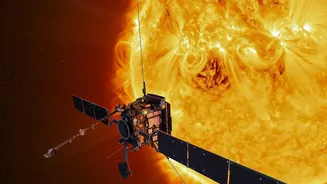
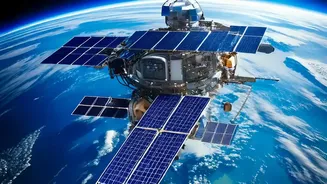
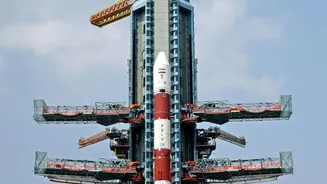
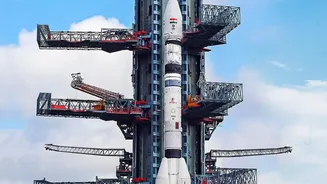
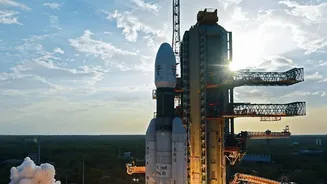
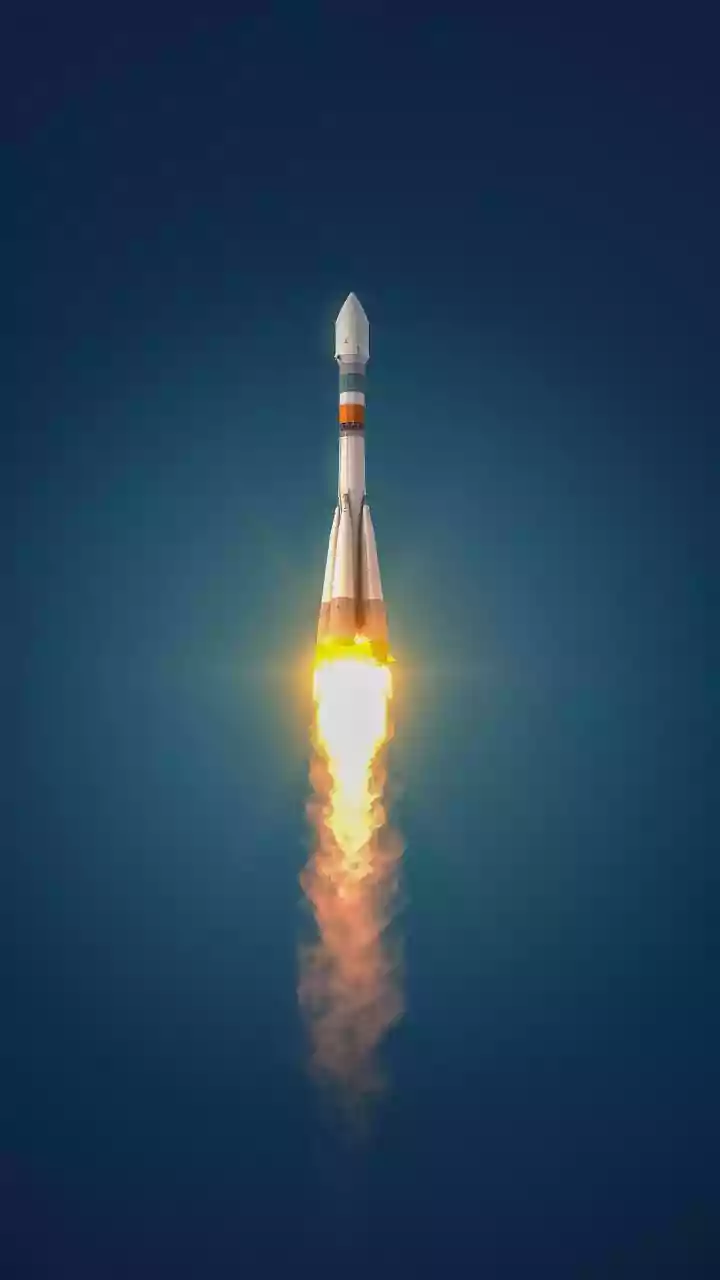
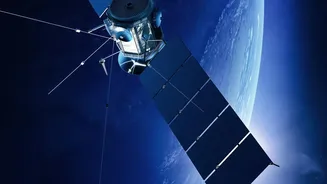
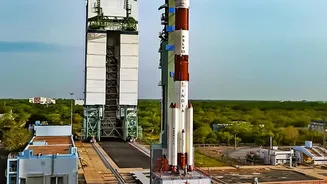
Launched by the Indian Space Research Organisation (ISRO), Aditya-L1 is on a five-year mission to study our star. It is strategically positioned at Lagrange Point 1 (L1), a gravitationally stable spot about 1.5 million kilometres from Earth. This unique
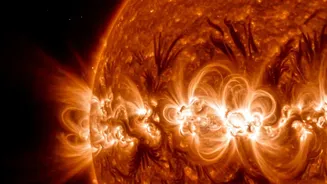
vantage point allows the spacecraft to observe the Sun continuously, without the interruption of eclipses or occultations. This constant monitoring is crucial for understanding the Sun's behaviour, from its fiery corona to the solar wind that flows outward across the solar system. The mission represents a major leap for Indian space science, providing a stream of invaluable data for the global scientific community.
Listening to the Sun's Breath
At the heart of the latest findings are two key in-situ instruments: the Aditya Solar wind Particle Experiment (ASPEX) and the Plasma Analyser Package for Aditya (PAPA). Think of these as highly advanced weather stations for space. ASPEX, developed by the Physical Research Laboratory, measures the direction and energy of solar wind particles like protons and heavier ions. Meanwhile, PAPA, from the Vikram Sarabhai Space Centre, focuses on the solar wind's electrons and ions, analysing their composition, temperature, and velocity. Together, they work to build a comprehensive profile of the solar wind as it streams past the L1 point.
Unravelling the 'Dynamic Streams'
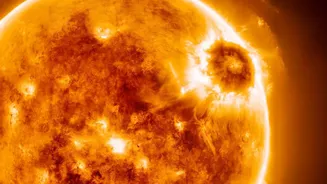
The term 'solar wind' can sound gentle, but it is a turbulent and highly variable river of plasma, or charged particles, flowing from the Sun at speeds of hundreds of kilometres per second. The headline's "dynamic streams" refer to the constant fluctuations in this wind's speed, density, temperature, and magnetic field. Continuous observations from Aditya-L1's sensors are providing a high-resolution look at these changes as they happen. Scientists are now better able to correlate sudden gusts and shifts in the solar wind with specific events on the Sun, like coronal mass ejections (CMEs). Recent data from PAPA, for instance, successfully detected the impact of CMEs by recording an abrupt increase in electron and ion counts, confirming the instrument's effectiveness.
Why This Research Matters for Earth
Understanding the solar wind is not just an academic exercise; it's critical for protecting our technology-dependent world. This solar outflow carries with it the Sun's magnetic field, and when a powerful gust hits Earth's magnetic shield, it can cause geomagnetic storms. These storms can endanger satellites in orbit, disrupt GPS and communication signals, and even damage power grids on the ground. By studying the solar wind's dynamic behaviour with instruments like those on Aditya-L1, scientists can improve space weather forecasting. This gives us a better chance to prepare for and mitigate the impacts of severe solar events, safeguarding our crucial infrastructure both in space and on Earth.