


A Living Carpet of Colour
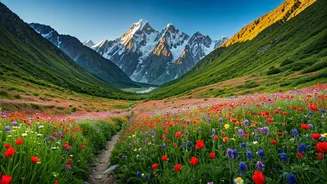
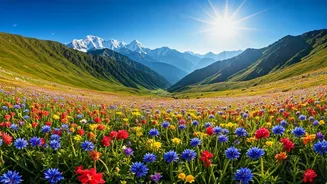
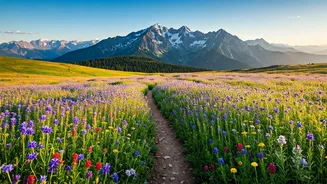
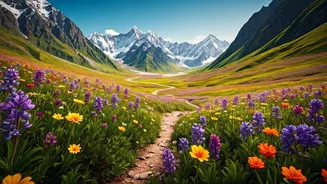
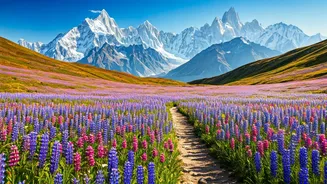
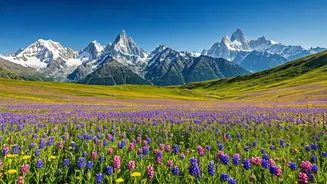
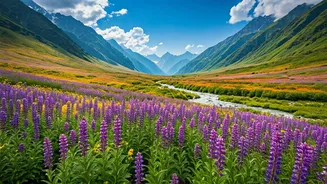
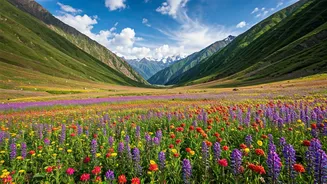
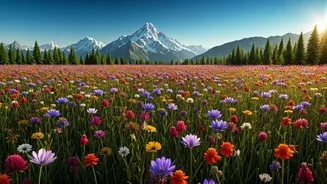
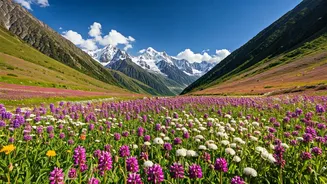
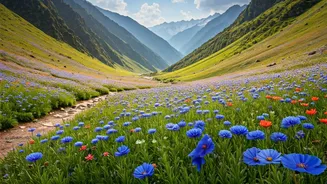
Imagine a vast alpine meadow, cradled by snow-dusted peaks, blanketed in a vibrant tapestry of over 500 species of flowers. This is not a fantasy; it's the Valley of Flowers National Park, a UNESCO World Heritage Site. Every year, as the monsoon rains
begin, this high-altitude valley bursts into life. It's a protected area, part of the larger Nanda Devi Biosphere Reserve, renowned for its meadows of endemic alpine flowers and breathtaking natural beauty. The park isn't just a visual treat; it's a fragile ecosystem that supports a variety of rare flora and fauna, including the elusive snow leopard, musk deer, and blue sheep. Its remote location and the physical effort required to reach it only add to its mystique, ensuring that only true nature lovers make the pilgrimage.
The Perfect Window to Visit
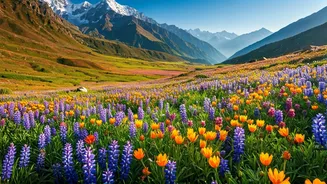
The Valley of Flowers is not a year-round destination. It remains buried under a thick blanket of snow for most of the year, accessible only for a fleeting period. The gates officially open on the 1st of June and close in early October. However, the best time to witness the floral bloom in its full glory is from mid-July to mid-August. During this peak season, the valley is a riot of colour, with species like the Himalayan Blue Poppy, Brahmakamal, Cobra Lily, and countless others creating a surreal landscape. Visiting in June means you'll see the early blooms and fewer crowds, while a trip in September offers a different, more subdued beauty as the colours begin to fade and the autumn hues set in. The weather is unpredictable, with rain being a constant companion, so preparing for wet and chilly conditions is essential regardless of when you go.
The Journey: An Adventure in Itself
Reaching the Valley of Flowers is a multi-stage journey that begins long before you set foot on the trail. The nearest major town is Joshimath, which is accessible by road from Haridwar or Rishikesh (an approximately 8-10 hour drive). From Joshimath, you need to travel to Govindghat or Pulna, the starting point of the trek. The trek itself begins here. The first leg is a 10-12 km trek to Ghangaria, a small settlement that serves as the base camp for both the Valley of Flowers and the revered Sikh shrine, Hemkund Sahib. This part of the trail is well-paved but steep in sections. You can hire a pony or a porter if you find the walk challenging. Ghangaria is where you will stay overnight, as camping inside the Valley of Flowers is not permitted.
The Final Ascent to Paradise
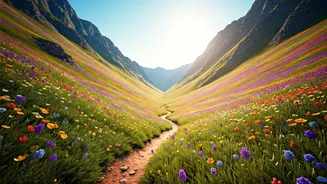
From Ghangaria, the entrance to the Valley of Flowers is a relatively moderate 4 km trek. After buying your entry permit at the forest department checkpoint, you'll cross a bridge over the Pushpawati River and enter a world transformed. The trail is narrower and more rugged than the path to Ghangaria, but every step is rewarded with increasingly spectacular views. The valley stretches for about 10 km, and you are free to explore its paths for a few hours. The park has strict timings, typically opening at 7 AM and requiring visitors to start their return journey by 2 PM to ensure everyone is out by 5 PM. This day-trip structure helps preserve the park’s pristine environment.
Essential Tips for a Smooth Trip
Preparation is key for this high-altitude trek. Firstly, acclimatise properly in Joshimath or Ghangaria to avoid altitude sickness. Secondly, pack smart: waterproof jackets, trousers, and a backpack cover are non-negotiable. Sturdy trekking shoes with good grip are your best friends on the slippery paths. Carry a basic first-aid kit, energy bars, and a reusable water bottle. Accommodation in Ghangaria is basic, consisting of guesthouses and a government-run rest house, so book in advance, especially during peak season. Lastly, be a responsible tourist. The Valley is a plastic-free zone. Do not litter, do not pluck flowers, and stick to the designated trails to protect the delicate flora.