






The New Snack-Buying Ritual
Gone are the days when a snack was just a guilty pleasure. Today, a growing number of Indian consumers are treating snacks as mini-meals, expecting them to deliver functional benefits. This has turned the simple act of buying a snack into a deliberate,
information-seeking process. Consumers are flipping over packets, scrutinizing nutritional information, and favouring brands that are transparent about what goes into their products. This shift is not a niche phenomenon; it's a mainstream movement reshaping a massive market. Recent data shows health is a major influence on snack purchases across various age groups, professions, and cities.
Why Protein Is The New Star
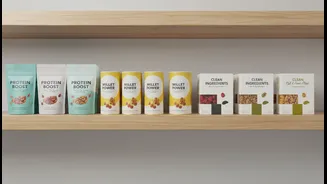
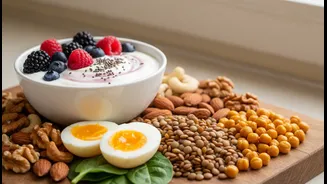
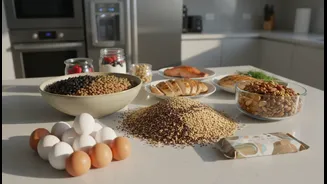
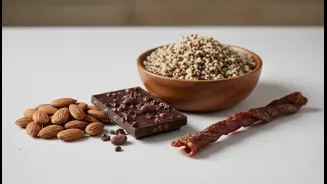
Protein has officially moved from the gym to the everyday grocery basket. Once a buzzword reserved for fitness enthusiasts, it is now a key factor for the average consumer. A recent report found that a staggering 86% of Indian consumers consider protein important when choosing a snack. This demand is driven by a confluence of factors: rising health and wellness awareness, the influence of social media on fitness trends, and the understanding that protein provides satiety, helping with weight management. The result is a booming market for everything from protein bars and peanut butters to protein-enriched versions of traditional snacks like makhana and chana. Consumers are not just interested; they are willing to pay for it, with nearly a third ready to spend more for protein-rich products.
The Power of a Clean Label
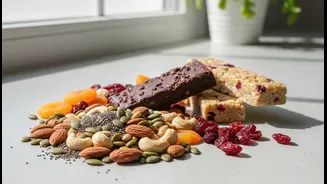
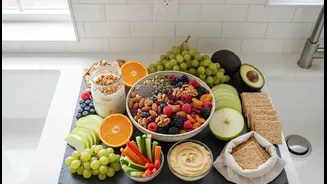
Alongside the clamour for protein is a strong demand for 'clean labels'. This means consumers are looking for short, simple, and recognizable ingredient lists. They are increasingly wary of artificial additives, preservatives, and excessive sugar. According to a 2026 survey, 62% of respondents said clear information about ingredients is the most important factor when choosing a snack brand, ranking it far above celebrity endorsements. There's a clear preference for natural sweeteners, with 61% favouring snacks made with ingredients like dates or jaggery instead of refined sugar. This pursuit of transparency is fundamentally about trust. In an environment where misleading health claims can be common, a clean label has become a powerful indicator of a brand's integrity.
How Brands Are Responding
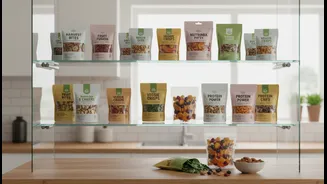
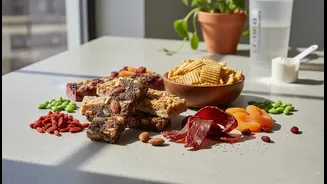
The industry is taking notice. Both legacy food giants and a new wave of direct-to-consumer (D2C) startups are scrambling to meet this new demand. Companies are reformulating products to boost protein content, reduce sugar, and eliminate artificial ingredients. We are seeing a surge in baked-not-fried options, snacks made from superfoods like millets and seeds, and modern twists on traditional healthy foods. Brands like Farmley, The Whole Truth, Happilo, and Yoga Bar are building their entire identity around transparency and clean ingredients. Even the way snacks are sold is changing, with quick-commerce platforms like Blinkit and Zepto becoming major channels for these health-conscious purchases.
A Trend With Deep Roots
While this movement is most visible in urban metros, its influence is spreading. The demand for protein-rich foods is accelerating rapidly in Tier-2 cities like Nagpur, Jaipur, and Chandigarh, suggesting a nationwide shift in eating habits. This isn't just about individual health; it’s about family wellness. Nearly 60% of parents say they are willing to pay more for healthier snack options for their children. The market is also beginning to cater to more specific needs, with growing interest in products designed for life stages, such as snacks supporting women's health during their menstrual cycle.