



The 'Golden Route' Itinerary
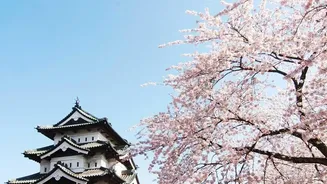
The IRCTC tour packages, often marketed as 'Splendours of Japan' or 'Japan - The Golden Route', typically span 8 to 9 nights. These trips cover Japan's most famous tourist circuit, whisking travellers through a packed schedule of iconic sights. The journey
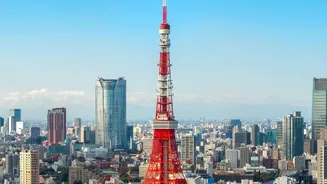
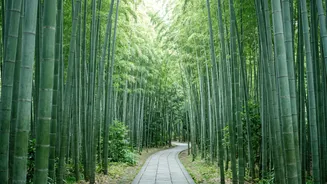
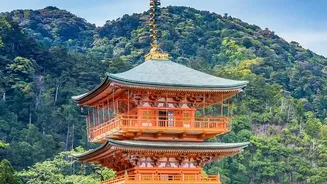
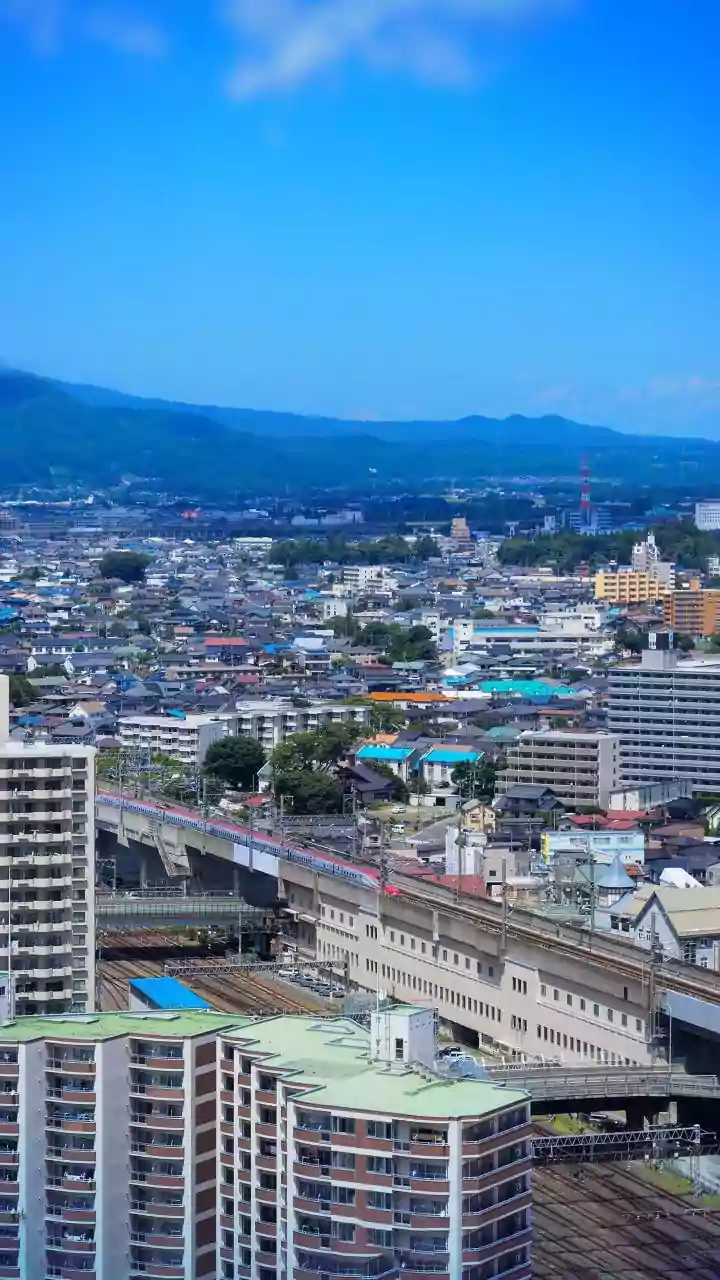
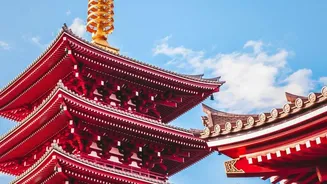
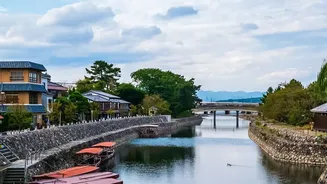
usually starts in Tokyo, exploring landmarks like the Senso-ji Temple, the bustling Shibuya Crossing, and the Tokyo Skytree. From there, the tour moves towards the majestic Mount Fuji and the scenic Hakone region, often including a cruise and ropeway ride. The itinerary also features a ride on the famous Shinkansen bullet train, a quintessential Japanese experience. The cultural heart of the tour lies in Kyoto, with visits to the Arashiyama Bamboo Grove and the stunning Golden Pavilion. The tour often concludes with stops in Nara, famous for its friendly deer, and Osaka or Hiroshima, offering a poignant look into Japan's history.
Decoding the Costs
The convenience of an all-inclusive package comes with a significant price tag. Recent IRCTC Japan tours departing from cities like Delhi and Mumbai have been priced starting from approximately ₹3,36,000 to ₹3,49,000 per person on a twin or triple-sharing basis. Single occupancy costs are substantially higher. These packages are comprehensive, typically including return economy flights, accommodation in 3-star or 4-star hotels, most meals (including Indian lunch and dinner options), visa fees, and sightseeing entry tickets. An English-speaking guide and an IRCTC tour manager also accompany the group. However, it's crucial to read the fine print. Costs that are generally not included are personal expenses, tips, optional tours not on the main itinerary, and TCS (Tax Collected at Source), which is an additional charge on the package cost.
Visa and Paperwork Simplified
One of the biggest advantages of a group tour like this is the streamlined visa process. Japan requires a pre-arranged visa for Indian passport holders, and the application involves submitting several documents, including flight and hotel bookings, bank statements, and a detailed itinerary. When booking with IRCTC, the visa fee is included in the package price, and they handle the application process on your behalf, which significantly reduces hassle for the traveller. While Japan has introduced an e-visa system for Indian nationals, going with a registered tour operator like IRCTC simplifies the documentation, as the entire trip is pre-booked and verified.
Food for the Indian Palate
A major concern for many Indian travellers is the availability of familiar food. IRCTC is well aware of this and specifically includes daily breakfast, along with Indian lunches and dinners, in their Japan tour package. This ensures that while you have the opportunity to sample Japanese cuisine, you also have the comfort of familiar meals. While travelling, this is a significant relief, as finding vegetarian or specific Indian dishes in smaller Japanese towns can sometimes be challenging for a first-time tourist.
The Group Tour Experience
Booking an IRCTC tour means you will be part of a group, travelling on a coach and following a fixed schedule. This is a double-edged sword. On the plus side, it's a great option for first-time visitors, families, or solo travellers who want security and don't want the stress of navigating public transport and language barriers. Everything is planned for you, from airport transfers to hotel check-ins. On the downside, the pace can be rapid, with early morning starts and long days of sightseeing to cover the extensive itinerary. There is little room for spontaneous exploration or lingering at a place you particularly enjoy. You must be prepared to move with the group's rhythm.
Essential Cultural Tips
While your guide will help you navigate the cultural nuances, knowing a few basics will enhance your experience. Politeness is paramount in Japan. Bowing is a common form of greeting and showing respect. It is considered rude to speak loudly on public transport, so maintain a low volume. Unlike India, tipping is not a part of the culture and may be considered impolite. Also, be prepared to carry your own trash, as public dustbins can be surprisingly scarce. Finally, while many places accept cards, carrying some cash (Japanese Yen) is always a good idea for smaller shops and temples.