





Understanding The Power Of Cumin
Cumin, or 'jeera', is a cornerstone of Indian cooking, celebrated for its uniquely warm, earthy, and slightly nutty flavour. By itself, it can have a pungent, almost bitter edge, but when cooked, it blossoms into a rich, aromatic spice that adds instant
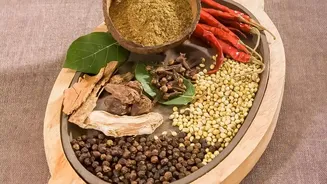
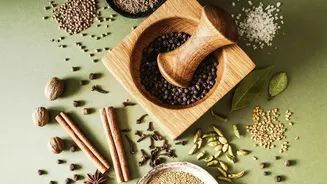
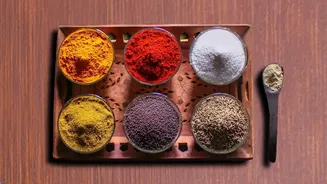
depth to any dish. You can find it as whole seeds or a ground powder. Whole seeds are often bloomed in hot oil or ghee at the start of cooking—a technique called 'tadka'—to release their essential oils and infuse the entire dish. Ground cumin, with its ability to disperse evenly, is a key component in countless spice blends, from garam masala to simple vegetable rubs. Toasting cumin seeds before grinding them intensifies their nutty and smoky notes, a simple step that significantly elevates their flavour.
Exploring The Tang of Tamarind
Tamarind, or 'imli', is a tropical fruit that delivers a complex sweet-and-sour taste. Its flavour is often described as a mix of citrus, dates, and stone fruit, providing a bright acidity that can cut through richness and balance a dish. Tamarind is available in several forms: as a whole pod, a compressed block of pulp, or a smooth, convenient paste or concentrate. While concentrates are easy to use, many cooks prefer using the block form for its more natural, nuanced flavour. To prepare it, you simply soak a piece of the block in hot water for about 20 minutes, then mash the softened pulp and strain it to remove seeds and fibers, resulting in a tangy liquid ready for cooking.
The Magic Of The Pairing
The combination of cumin and tamarind is a classic example of flavour balancing. The deep, grounding earthiness of cumin acts as a perfect counterpoint to the sharp, fruity tang of tamarind. Think of cumin as the bass note that provides warmth and foundation, while tamarind is the high note that adds brightness and excitement. This synergy is rooted in their shared flavour molecules, which help them blend harmoniously while still offering a delightful contrast. Together, they create a rounded, complex taste profile that is neither too heavy nor too sharp—it's the secret behind the addictive quality of many chaats, chutneys, and curries.
Crafting a Versatile Cumin-Tamarind Sauce
Making a basic cumin-tamarind sauce, often called 'imli ki chutney', is simpler than you might think. The goal is to balance the core flavours: sour, sweet, and spiced. Start with tamarind pulp extracted from a block. In a small saucepan, combine the tamarind liquid with a sweetener like jaggery or brown sugar, which complements tamarind's fruity notes. Bring it to a simmer, allowing the sweetener to dissolve completely. Now, add your spices. Toasted and ground cumin powder is essential. A pinch of salt or black salt ('kala namak'), a little ginger powder, and a touch of red chili powder for warmth will round out the sauce. Simmer for a few minutes until it thickens slightly, keeping in mind it will get thicker as it cools. Taste and adjust—it might need more sweetness to counter the sourness or a bit more salt to make the flavours pop.
Everyday Uses For Your Sauce
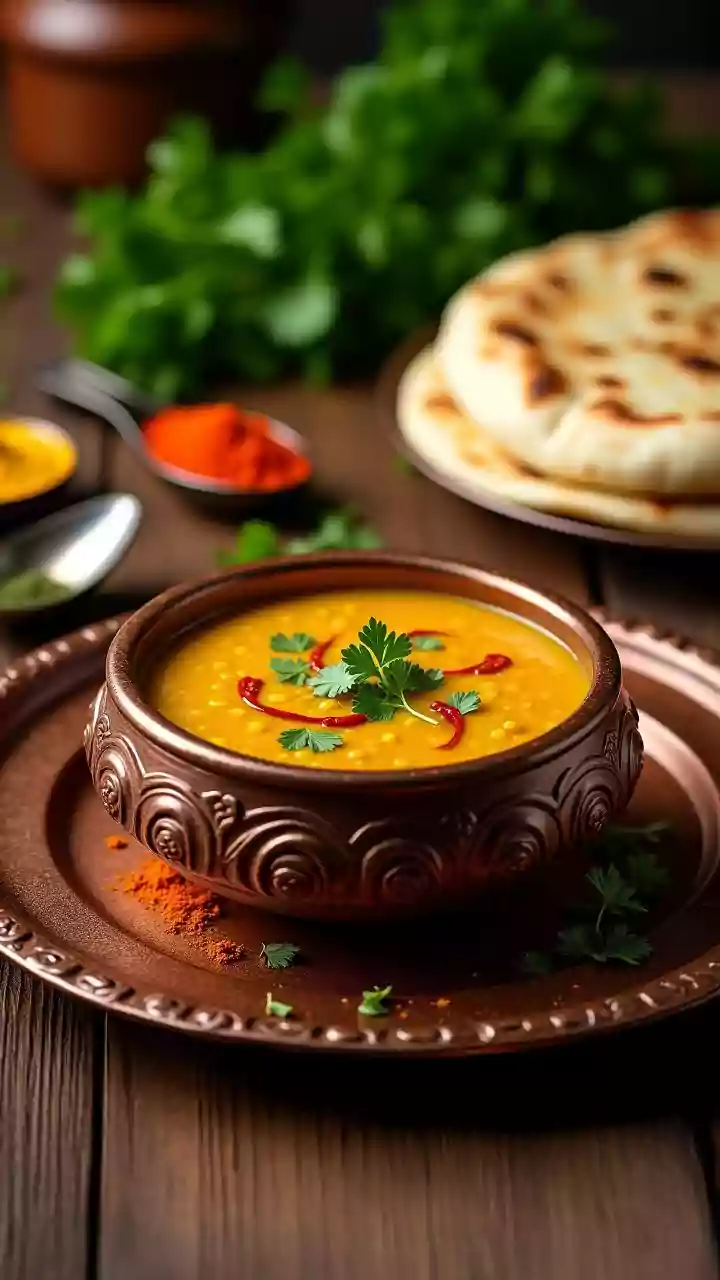
Once you have a jar of this liquid gold in your fridge, you'll find endless ways to use it. It's the quintessential dipping sauce for fried snacks like samosas, pakoras, and spring rolls. No Indian chaat—from bhel puri to dahi vada—is complete without a generous drizzle of this tangy-sweet chutney. But its uses don't stop there. Use it as a glaze for grilled paneer, tofu, or vegetables to create a beautiful caramelized crust. Whisk it into a simple vinaigrette to dress a crunchy salad, or stir a spoonful into lentil soups (dal) or stews to add a final layer of complexity.