






From Pioneer to Partner
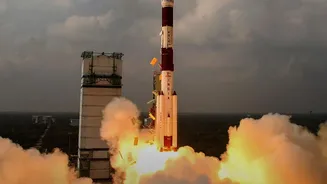
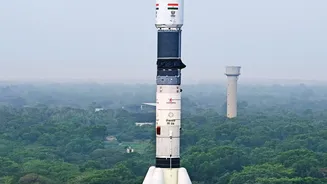
Historically, ISRO has been a vertically integrated powerhouse, handling everything from research and development to building and launching rockets and satellites. This model delivered incredible national pride and scientific milestones, from reaching
Mars on the first attempt to landing a rover on the Moon's south pole. These missions showcased India's ability to achieve complex space feats cost-effectively. However, this state-led approach meant ISRO was both the player and the entire playing field, responsible for national needs, scientific exploration, and any commercial activities that arose. The global space economy, however, was rapidly changing, becoming a commercial arena demanding agility and specialisation.
A New Three-Body Architecture
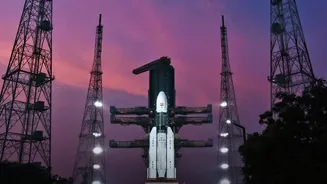
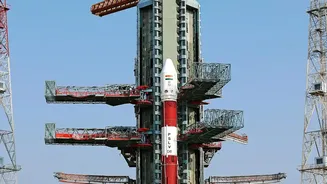
Recognising the need for a new model, India initiated sweeping reforms, culminating in the Indian Space Policy 2023. This policy fundamentally redefined roles to unlock private sector potential. The new structure rests on three key pillars. ISRO now transitions to focus on its core strengths: advanced research and development, deep space exploration, and national security missions. Its role is to innovate for the future, not to handle routine commercial launches. Filling the commercial gap is NewSpace India Limited (NSIL), ISRO's commercial arm, established in 2019. NSIL's mandate is to commercialise ISRO's technologies, manage launch contracts, and operate on a demand-driven model, essentially acting as the business interface for proven technologies. The third, and perhaps most critical, new entity is the Indian National Space Promotion and Authorization Center (IN-SPACe). It acts as the single-window regulator and promoter, designed to guide, authorise, and create a level playing field for private companies, ensuring they get access to ISRO's extensive facilities and expertise.
Fueling a Private Sector Space Race
The impact of these reforms has been immediate and dramatic. Since the sector opened up in 2020, the number of private space startups has skyrocketed from a handful to over 400. Companies like Skyroot Aerospace, Agnikul Cosmos, and Pixxel are now household names in India's tech scene. Skyroot achieved a major milestone with the launch of its Vikram-1 rocket, India's first privately developed orbital launch vehicle, proving that private enterprise can build on ISRO's legacy. Agnikul is pioneering 3D-printed rocket engines, while Pixxel is deploying a constellation of hyperspectral imaging satellites. These companies are not just vendors to ISRO; they are building their own end-to-end capabilities, from rockets to satellite services, creating a diverse and competitive domestic ecosystem.
The Multi-Billion Dollar Stakes
The economic ambition behind this strategic shift is enormous. India's space economy, currently valued at around $8-9 billion, accounts for just 2-3% of the global market. The government's goal is to grow this figure fivefold to over $40 billion in the next decade, capturing a more significant 8-10% share of the global pie. The opportunities extend far beyond just launching rockets. They lie in building satellites for communication and Earth observation, providing data analytics services for agriculture and climate monitoring, and developing the ground infrastructure to support it all. With liberalised foreign direct investment (FDI) rules, global investors are also taking note, injecting capital and confidence into India's burgeoning space startups.
Challenges on the Launchpad
The path forward is not without its challenges. While the policy framework is in place, a comprehensive legislative Space Act is still needed to provide legal certainty for complex issues like liability and orbital property rights. Furthermore, for Indian startups to compete globally against established giants like SpaceX, they must not only innovate but also demonstrate consistent reliability and a rapid launch cadence. Moving from a successful first launch to a commercially viable, high-frequency launch service is a significant hurdle. Finally, ISRO itself must manage a delicate transition, nurturing the private sector with technology and expertise while retaining top talent for its own ambitious projects, like the Gaganyaan human spaceflight program and a future Indian space station.