


Beyond the Plate: What is Experiential Dining?
Experiential dining transforms a meal into an immersive adventure that engages all the senses, emotions, and even the imagination. It’s a deliberate shift from the traditional model of sitting, eating, and leaving. Instead, restaurants are creating unique
environments that tell a story. This can range from a subtle theme reflected in the decor and menu to a full-blown theatrical production. Think of restaurants in complete darkness to heighten your other senses, dining rooms with 360-degree video projections that change with each course, or even chef's tables where you can watch and interact with the culinary team as they prepare your food. The goal is to create a memorable event that can't be replicated at home, making the night out feel truly special.
The Psychology of Atmosphere
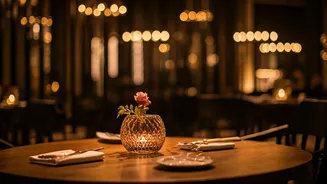
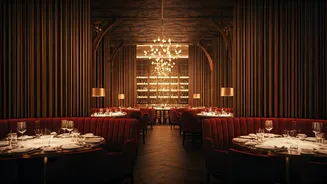
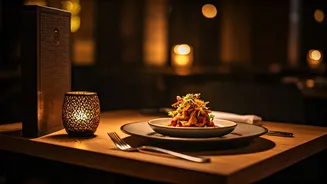
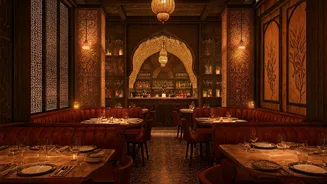
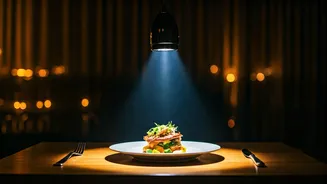
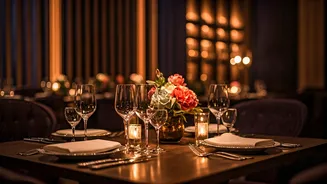
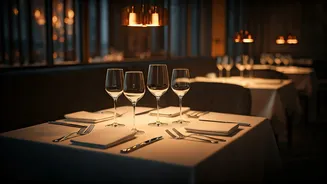
Every element of a restaurant's design is a calculated choice intended to influence your mood and behaviour. Environmental psychology plays a key role, with lighting being one of the most powerful tools. Bright, cool lighting tends to energize a space, encouraging faster turnover, which is why it's common in fast-casual spots. In contrast, fine-dining establishments use soft, warm lighting to create a sense of intimacy and relaxation, encouraging guests to linger. Colours also have a significant impact; warm tones like red can stimulate appetite, while cool tones like blue and green have a calming effect. Even the acoustics are carefully managed—a space that is too loud can be chaotic, while one that is too quiet can feel awkward. The perfect design finds the balance to create a comfortable and engaging atmosphere.
The Social Media Effect
The rise of social media, particularly Instagram, has profoundly influenced restaurant design. Many diners, especially younger generations like Millennials and Gen Z, consider a restaurant's 'Instagrammability' when choosing where to eat. This has led to the creation of 'Instagram moments'—specific, highly photogenic spots like neon signs, murals, or unique decor designed to be shared online. But the trend is evolving beyond just a single photo wall. Smart restaurateurs now consider the entire space as a potential backdrop, favouring bright, natural lighting and visually appealing dishes. This a powerful, low-cost marketing tool, as guests become organic content creators, sharing their experiences and attracting new customers.
From Theatrics to Technology
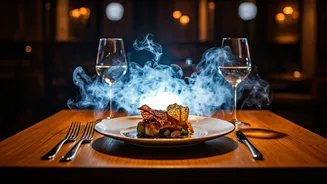
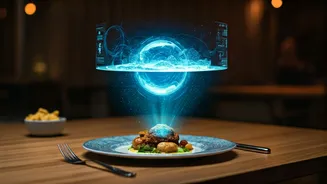
The modern experiential restaurant is a blend of artistry and technology. Multi-sensory dining experiences might involve scent diffusers and temperature cues to complement the menu. Technology is also becoming more integrated into the experience. Augmented Reality (AR) can bring menus to life, allowing you to see a 3D model of a dish before you order it. Some concepts, like Le Petit Chef, project tiny animated chefs onto the table to 'prepare' your meal before the real plate arrives. Meanwhile, AI is being used for greater personalization, allowing restaurants to tailor suggestions and even ambiance based on a diner's past preferences. These innovations blur the lines between dining and entertainment, creating a truly dynamic experience.
Why Experiences Matter Now More Than Ever
So what’s driving this shift? It's a response to changing consumer values. Diners, particularly younger ones, increasingly prioritise experiences over material possessions. In a competitive market, a unique experience is a powerful differentiator that allows restaurants to stand out. As dining out becomes more of a considered expense for many, people want to feel the cost is justified. They are seeking more than just sustenance; they want a story, an escape, and a connection. By focusing on the entire experience, from the moment a guest walks in until they leave, restaurants are not just feeding their customers—they are creating lasting memories.