
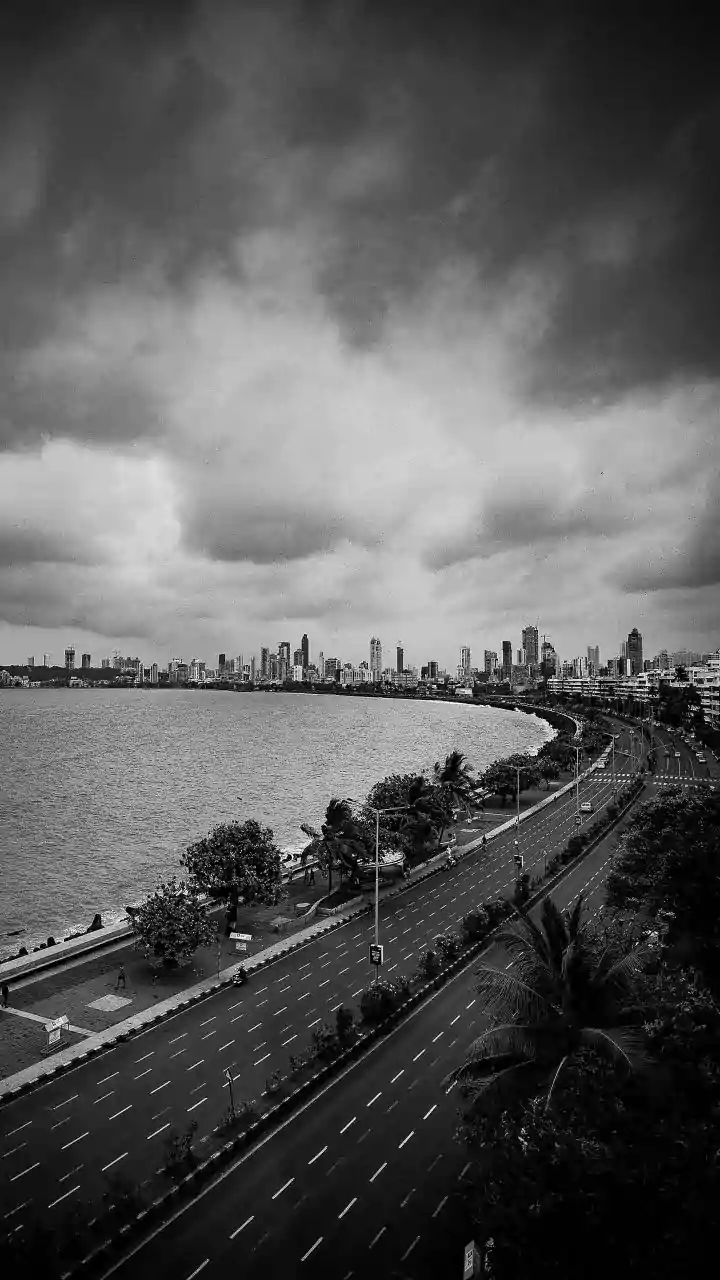



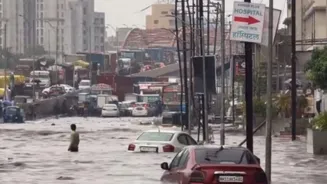



Monsoon Fury Across the Nation
The India Meteorological Department (IMD) has forecast an active monsoon spell across large parts of the country, with heavy to very heavy rainfall expected in several regions on July 8. This intense weather has already triggered localised flooding, reduced
visibility, and created hazardous travel conditions, particularly in western, northern, and northeastern India. Officials are advising the public to avoid unnecessary travel and stay updated on weather alerts. The Southwest Monsoon is expected to cover the entire country within the next two to three days, bringing more rain.
Majorly Affected States and Regions
Multiple states are bearing the brunt of the downpour. The IMD has issued alerts for heavy rainfall in Himachal Pradesh, Uttarakhand, Punjab, Haryana, Delhi, Uttar Pradesh, and Rajasthan in the north. Western India is particularly hard-hit, with warnings of very heavy rainfall for the Konkan coast, Goa, Gujarat, and Madhya Maharashtra. In the south, Coastal and South Interior Karnataka are on alert. Meanwhile, Sub-Himalayan West Bengal, Sikkim, Arunachal Pradesh, Assam, and Meghalaya in the east are also expecting extremely heavy rainfall.
Impact on Highways and Rail Networks
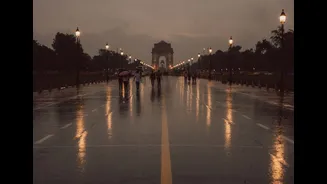
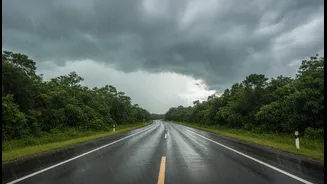
The intense rainfall has severely impacted ground transportation. In Uttarakhand, traffic on the Yamunotri National Highway (NH-134) was disrupted due to falling debris. Flash floods in Himachal Pradesh have blocked link roads in the Rampur subdivision of Shimla. In the National Capital Region, a section of the Delhi-Jaipur highway (NH-48) caved in near Narsinghpur, forcing the closure of two lanes and causing major traffic jams. Train services have also been affected. Waterlogging on tracks has disrupted services in Maharashtra's Raigad district and on the Western Railway network in the Mumbai Central Division. Several long-distance trains have been cancelled, delayed, or short-terminated.
How to Check Your Route Safely
Before starting any journey, it is crucial to verify your route. The IMD has explicitly advised travellers to check traffic conditions and follow official advisories. Use real-time traffic applications on your smartphone, which often have user-reported data on waterlogging and blockages. For highway travel, consult the official website of the National Highways Authority of India (NHAI) for updates on major road closures. Many state police departments and disaster management authorities also provide regular updates on their social media channels. Listening to local news channels for regional-specific updates can also provide critical, timely information.
Air Travel Also Affected
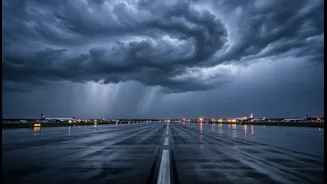
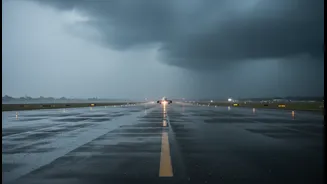
The severe weather is not just limited to road and rail. Several airlines, including Air India and IndiGo, have issued travel advisories for passengers flying to or from major hubs like Mumbai and Delhi. Heavy rain has led to reduced visibility, causing flight delays and diversions. Passengers are strongly urged to check their flight status online before heading to the airport. A near-miss incident was reported at Mumbai airport where two aircraft came face-to-face on the same runway, highlighting the operational challenges during such weather.
Official Guidance and Safety Measures
Authorities are taking the situation seriously. Union Home Minister Amit Shah has spoken with the Chief Minister of Maharashtra to take stock of the heavy rains and assured all support from the Centre. The Brihanmumbai Municipal Corporation (BMC) has asked citizens to follow official advisories and avoid venturing into waterlogged areas. The key advice for everyone is to prioritize safety. Avoid driving through flooded areas, stay away from vulnerable structures that could collapse, and be cautious of the risk of landslides in hilly regions. If travel is unavoidable, ensure your vehicle is in good condition and carry an emergency kit.