






The Raw Truth About Digestion
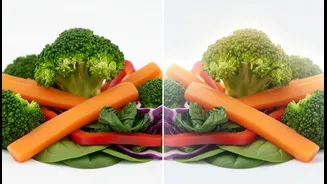
The wellness world often praises raw vegetables for their high enzyme and nutrient content. While it's true they are packed with goodness, they can be surprisingly tough on the digestive system. Raw veggies have rigid cell walls and high amounts of insoluble
fiber that can be challenging for some people's guts to break down. This can lead to uncomfortable symptoms like gas, bloating, and general stomach upset, especially for those with sensitive systems or conditions like Irritable Bowel Syndrome (IBS). Many people who experience these issues after eating raw broccoli or cauliflower, for example, find them much easier to tolerate once cooked.
The Problem with Anti-Nutrients
Beyond their tough structure, many raw plants contain compounds known as 'anti-nutrients'. These include lectins and goitrogens, which plants use as a natural defense. Lectins are proteins that can resist digestion and, in their active state, may bind to the cells lining your gut, potentially interfering with nutrient absorption and causing irritation. Goitrogens, found abundantly in raw cruciferous vegetables like kale, broccoli, and cabbage, can interfere with normal thyroid function, especially when consumed in large quantities. While these compounds are not a problem for everyone, for those with digestive or thyroid sensitivities, a diet high in raw vegetables containing them might contribute to low-grade inflammation and discomfort.
The Gentle Power of Steaming
This is where steaming comes in as a simple and effective solution. Unlike boiling, which can cause water-soluble nutrients like Vitamin C and B vitamins to leach out into the water, steaming is a gentler cooking method that preserves most of a vegetable's nutritional value. Studies have shown that steaming is one of the best cooking methods for retaining nutrients, particularly in vegetables like broccoli. The gentle heat of steam works to soften the tough fibrous cell walls, making the vegetables easier to chew and digest. This process also helps to deactivate many of those troublesome anti-nutrients like lectins and goitrogens, reducing their potential to cause irritation.
Boosting Nutrient Availability
Counterintuitively, cooking can sometimes make nutrients more available to your body. The heat from steaming helps break down plant cell walls, which can release certain antioxidants and make them easier for your body to absorb. For instance, the beta-carotene in carrots and the lycopene in tomatoes become more bioavailable after cooking. Some studies have even found that steaming can increase the overall antioxidant content of vegetables compared to eating them raw or boiling them. A study on broccoli found that steaming was the only cooking method that didn't cause significant losses of Vitamin C and other beneficial compounds.
How to Steam for Maximum Benefit
The goal is to lightly steam, not cook your vegetables to a mushy state. You want them to be 'tender-crisp' — softened, but still with a bit of a bite. This preserves their texture, flavour, and, most importantly, their nutrients. Simply place a steamer basket in a pot with an inch or two of water, making sure the water doesn't touch the bottom of the basket. Bring the water to a boil, add your chopped vegetables, cover, and steam for a few minutes. Broccoli and cauliflower florets might take 5-7 minutes, while leafy greens like spinach need only 2-3 minutes. This quick, gentle cooking process is enough to ease digestion while keeping the vegetables vibrant and nutritious.