








Why The Extra Risk?
The monsoon's high humidity and moisture create a perfect breeding ground for harmful bacteria, viruses, and fungi like E. coli and Salmonella. This environment accelerates food spoilage and increases the risk of contamination. Water sources can become
compromised with runoff and sewage, leading to a spike in waterborne diseases such as typhoid, cholera, and hepatitis A. The Food Safety and Standards Authority of India (FSSAI) consistently notes a significant rise in food-related illnesses during this period, making vigilance essential.
The Street Food Dilemma
Craving street-side chaat during a downpour is a national pastime, but it carries the highest risk during this season. Vendors often use municipal water for chutneys and washing, which can be contaminated after heavy rains. A bowl of pani puri, for example, combines unboiled water with raw herbs, making it a primary vehicle for bacteria. High humidity also means that pre-cut fruits, vegetables, and chutneys left in the open can become laden with bacteria in just a few hours. If you must indulge, opt for freshly prepared, piping hot items like bhutta (roasted corn) or fried snacks from a vendor with visibly high hygiene standards.
Rethinking Raw and Leafy Foods
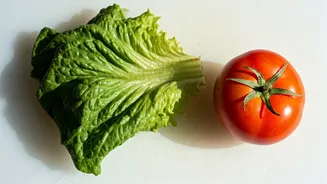
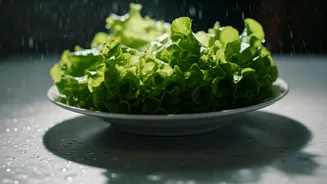
Normally healthy choices like raw salads and leafy green vegetables become risky during the monsoon. The damp, muddy conditions they grow in make them susceptible to dirt and germs that are hard to wash off. Health experts advise against consuming raw vegetables; it’s safer to steam or cook them thoroughly. If you are preparing leafy greens like spinach at home, wash them meticulously, perhaps in salt water or a mild vinegar solution, before cooking well.
Dining Out Safely
When eating at restaurants, a little scrutiny goes a long way. Choose establishments known for their cleanliness and good hygiene practices. It's safer to order dishes that are cooked fresh and served hot, as this helps kill any potential pathogens. Avoid cold salads, raitas, and any dishes that may have been prepared in advance and stored. Even at reputed restaurants, the risk of contamination exists, especially with food that isn't freshly cooked. Always stick to bottled or filtered water and avoid ice from unverified sources.
A Monsoon-Proof Kitchen
The best way to enjoy monsoon delicacies is by preparing them at home. Basic hygiene is your first line of defense: wash your hands, vegetables, and utensils thoroughly with clean water. Focus on light, easily digestible meals like soups, stews, and khichdi. Incorporating immunity-boosting ingredients like ginger, garlic, and turmeric can help strengthen your body's defenses. It's also wise to cook in smaller batches, as leftovers can spoil quickly in the humid weather. If you do have leftovers, refrigerate them promptly in airtight containers and reheat them thoroughly before eating.