




What Exactly Is Sumac?
Before you start sprinkling, it helps to know what you’re working with. Sumac is a coarse powder made from the dried and ground berries of the Rhus coriaria shrub, which is native to the Middle East and parts of the Mediterranean. For centuries, it has
been a staple in cuisines from these regions, celebrated for its beautiful crimson colour and its sour, astringent flavour. It’s important to note that this culinary sumac is completely different from the poison sumac plant found in North America. The spice you find in stores is not only safe but also a fantastic way to introduce a new layer of flavour to your meals.
A Zesty Flavour Without The Squeeze
The taste of sumac is its main draw. It delivers a bright, tart, and fruity flavour that is often compared to lemon zest or a splash of vinegar. However, its acidity is generally milder and more balanced than citrus juice. This 'dry acid' quality is what makes it so useful. It allows you to add a tangy kick to a dish without watering down a sauce or making a salad soggy. Underneath the primary tartness, you might also detect subtle earthy or fruity notes that provide a more complex and rounded profile than lemon alone.
Elevate Your Salad Dressings
One of the easiest and most effective ways to use sumac is in salad dressings. It is a key ingredient in the vinaigrette for fattoush, a classic Levantine bread salad. You can create a simple, all-purpose dressing by whisking sumac with olive oil, a little lemon juice or vinegar, minced garlic, and a touch of honey or mustard. The sumac provides a pop of colour and a sustained tanginess that pairs beautifully with fresh greens, cucumbers, tomatoes, and grain bowls. You can also simply sprinkle it directly onto a salad before tossing for an instant flavour boost.
A Game-Changer for Marinades
Sumac's acidity makes it a brilliant addition to marinades, as it helps to tenderize meat while infusing it with flavour. It works wonderfully with chicken, fish, lamb, and even beef kebabs. For a simple and effective marinade, combine sumac with olive oil, crushed garlic, and your favourite herbs like thyme or oregano. This mixture can be rubbed over meat or vegetables before grilling, roasting, or pan-searing. The spice helps to create a flavourful crust on the outside while keeping the inside moist and tender. It’s particularly effective at cutting through the richness of fatty meats.
Crafting Flavourful Dry Seasonings
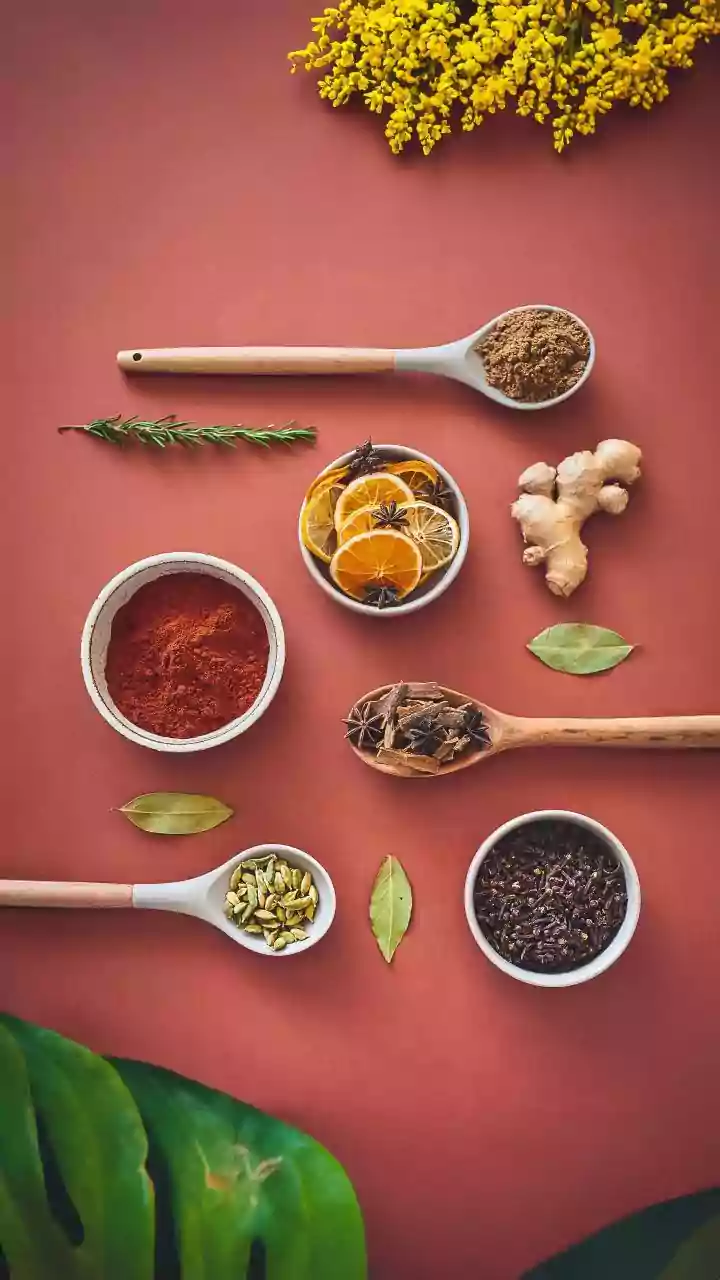
As a dry spice, sumac is a natural fit for seasoning rubs. You can use it on its own as a simple dusting for fish or chicken before cooking, or you can blend it with other spices to create a custom mix. Sumac is a core component of Za'atar, a famous Middle Eastern spice blend that also includes thyme, sesame seeds, and salt. At home, try mixing sumac with spices like cumin, paprika, coriander, and garlic powder for a versatile rub that’s perfect for roasted vegetables, chicken wings, or even popcorn.