




Tired of the same hill station getaways? Imagine a place where mountains echo with warrior chants and vibrant traditions come alive. The Nagaland Hornbill Festival is a journey into the heart of Naga culture, offering much more than just scenic views.
The 'Festival of Festivals'
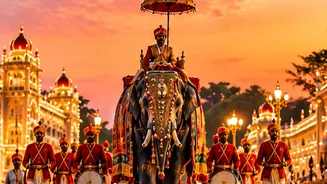
The Hornbill Festival is no ordinary event; it is aptly called the 'Festival of Festivals'. Held annually from December 1st to 10th, this grand celebration was conceptualized in 2000 by the Nagaland government to preserve, promote, and showcase the state's incredible cultural diversity. Named after the revered hornbill bird—a symbol of valour and beauty in Naga folklore—the festival brings all of Nagaland's major tribes together in one place. It's a rare opportunity to witness the distinct customs, dances, and traditions of communities like the Angami, Ao, Konyak, and Sema, without having to travel the length and breadth of the state. The main venue is the Naga Heritage Village at Kisama, a purpose-built area about 12 kilometres from the capital city, Kohima.
A Spectacle of Sight and Sound
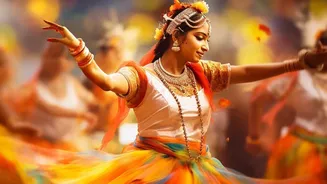
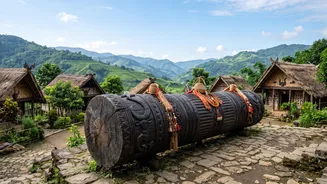
The heart of the Hornbill Festival beats in the main arena at Kisama, where a stunning program of cultural performances unfolds daily. Expect to be mesmerized by energetic war dances, soulful folk songs, and intricate rituals passed down through generations. Each tribe performs in full traditional regalia, a riot of colour, feathers, and beads. A major attraction is the collection of Morungs, or traditional youth dormitories. These are faithful replicas of the tribal houses of each community, where you can interact with the elders, see artisans at work on wood carvings and textiles, and even hear stories behind their unique customs. The air thrums with the sound of giant log drums and the energy of indigenous games like Naga wrestling and archery.
Beyond the Dance Arena
While the cultural performances are the main draw, the festival offers a feast for all senses. The food stalls are a gastronomic adventure, offering a chance to sample authentic Naga cuisine, from smoked pork with bamboo shoots to hearty stews and the famously fiery Naga king chilli. You can also try the local rice beer, known as 'Zutho'. As the sun sets, the festival's energy shifts. The Hornbill International Rock Contest draws bands from across the country, while the Night Bazaar in Kohima comes alive with street food, shopping, and live music, ensuring the celebrations continue well into the evening. For history buffs, a World War II museum at the festival site offers a poignant look at the Battle of Kohima.
Planning Your 2026 Trip
The Hornbill Festival 2026 is scheduled to take place from December 1st to 10th. To get there, the most common route is to fly or take a train to Dimapur, Nagaland's only airport and major railway station. From Dimapur, it's a scenic but often slow 2–3 hour drive to Kohima, the capital city where most visitors stay. Accommodation in and around Kohima gets booked months in advance, so planning is crucial. Options range from hotels in the city to charming homestays in nearby villages like Kigwema, which offer a more local experience. Indian tourists from outside Nagaland must obtain an Inner Line Permit (ILP), which can be applied for online. Foreign tourists have their own permit requirements, so it's vital to check the latest rules before travelling.