




The Allure of the ‘Un-Instagrammable’
For years, the Indian traveller’s rite of passage involved a European circuit or a Southeast Asian beach holiday. But a growing community of backpackers is now turning its gaze towards Central Asia, and specifically, Kyrgyzstan. Why? Because it offers
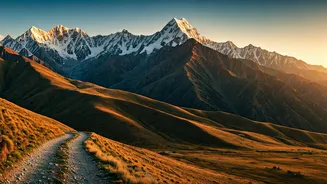
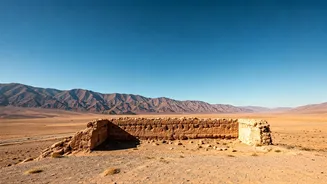
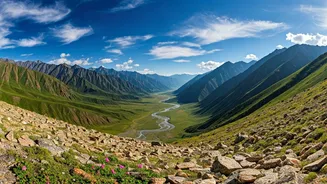
what so many commercial hotspots have lost: authenticity. In a world saturated with curated social media feeds, the appeal of Kyrgyzstan lies in its raw, unfiltered nature. Here, the landscape isn't just a backdrop for a photo; it’s an immersive experience. Travellers speak of the profound silence at Song-Kul Lake, a massive alpine lake where the only neighbours are nomadic families in their yurts. They describe the rugged majesty of the Ala Archa National Park, a far cry from manicured city parks. This isn't about ticking off a bucket list of famous sights; it's about disconnecting from the noise and reconnecting with something more elemental.
Burnout from Over-Tourism
The shift is also a reaction against the fatigue of over-tourism. Many popular destinations have become victims of their own success, leading to overcrowded landmarks, inflated prices, and a sense of manufactured experience. For the discerning Indian backpacker, the thrill of visiting a place seen a million times online has diminished. There's a palpable desire for discovery and a story that feels uniquely their own. Kyrgyzstan offers this in spades. Instead of queuing for hours, travellers find themselves hiking for days without seeing another tourist. Instead of staying in generic hotels, they share meals with local families in traditional yurts, learning about a culture that has remained unchanged for centuries. This rejection of the mainstream is not about snobbery; it’s a quest for genuine cultural exchange and personal space.
The Practical Pull of Central Asia
This trend isn't purely philosophical; practical factors are at play. Central Asian countries, including Kyrgyzstan, have become significantly more accessible. The introduction of simplified e-visa processes for Indian passport holders has removed a major bureaucratic hurdle. Furthermore, the cost of travel in Kyrgyzstan is a fraction of what a similar adventure would cost in Europe or North America. A week of trekking, horse riding, and staying in community-based tourism (CBT) homestays can be more affordable than a weekend in a major global city. This combination of accessibility and affordability has put the 'Stans' squarely on the map for young Indians who are rich in spirit but conscious of their budgets. As direct flights increase and regional connectivity improves, this pull is only expected to grow stronger.
Seeking Adventure Over Amenities
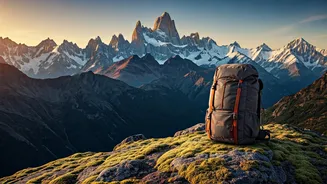
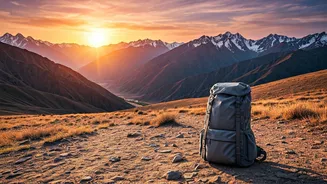
The modern Indian backpacker heading to Kyrgyzstan is not looking for five-star luxury. They are trading infinity pools for glacial lakes and room service for home-cooked 'plov' in a yurt. This is travel as a form of self-challenge. The journey might involve long hours in a shared taxi, navigating rugged mountain passes, or communicating through sign language with a shepherd. But these challenges are seen as part of the reward. The goal is to return with more than just souvenirs—it's to come back with a sense of accomplishment and a fresh perspective. Activities like the multi-day trek to Ala-Kul Lake or horse riding through the Jyrgalan Valley are physically demanding but offer unparalleled rewards in the form of pristine, untouched beauty.
The Power of Community and Digital Word-of-Mouth
This movement is being accelerated by a powerful digital ecosystem. Niche Indian travel communities on Facebook and WhatsApp are buzzing with tips, itineraries, and stunning photos from Kyrgyzstan. Unlike polished influencer content, these are peer-to-peer recommendations that carry a high degree of trust. When a member of a backpacking group posts about their incredible experience camping by Issyk-Kul, it inspires dozens of others to look into the destination. Instagram, too, plays a role, but in a different way. The dramatic, otherworldly landscapes of Kyrgyzstan are inherently shareable, creating a visual feedback loop that piques curiosity and fuels wanderlust. This digital word-of-mouth has been instrumental in demystifying the region and building a community of travellers eager to explore it.