



The Winter Rulebook Explained
Every year, as air quality in the National Capital Region (NCR) deteriorates, authorities implement the Graded Response Action Plan (GRAP). This is a set of emergency measures that become stricter as the Air Quality Index (AQI) worsens. For transporters,
the most critical rules involve vehicle emissions. As of late October 2026, with the AQI in the 'poor' category, Stage I of GRAP has been invoked. This stage focuses on strict enforcement of Pollution Under Control (PUC) norms and taking visibly polluting vehicles off the road. More significantly, a wider ban is set to take effect from November 1, prohibiting commercial vehicles with BS-IV emission standards or older from entering Delhi. Only vehicles running on CNG, electricity, or those compliant with the newer BS-VI standards will be permitted entry.
The Great Rerouting Game
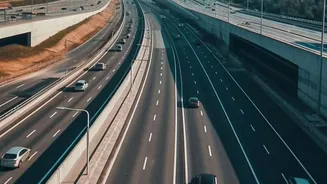
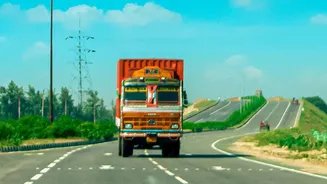
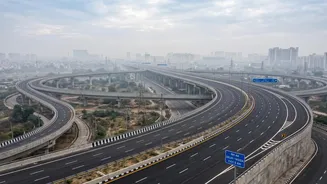
The most immediate adjustment for transport operators is rerouting. For trucks not destined for Delhi, the mandate is clear: use the Eastern and Western Peripheral Expressways to bypass the city entirely. This is a long-standing rule, but enforcement becomes severe during the pollution season. For goods that must enter the NCR, the challenge is greater. Fleet managers must carefully plan which trucks in their fleet are legally allowed to enter Delhi. A truck carrying goods from Mumbai to a warehouse in Ghaziabad, for example, now requires a pre-dispatch check to ensure its emission standard is BS-VI, CNG, or electric. Any miscalculation can lead to a truck being stopped at the border, causing significant delays and potential penalties, which can include fines up to ₹10,000 for not having a valid PUC certificate.
Fleet Management and Compliance Costs
Beyond rerouting, companies are forced into a frantic mode of fleet management. This involves ensuring every vehicle has a valid and up-to-date PUC certificate, as authorities have adopted a 'No PUC, No Fuel' policy at many petrol pumps. For larger operators, this means a constant administrative effort to track certificates across hundreds of vehicles. For smaller transporters, the pressure to upgrade their fleet is immense. A BS-IV truck, once a reliable asset, becomes a liability for Delhi-bound routes during winter. The transition to BS-VI vehicles or alternative fuels like CNG and electric is a capital-intensive process that many small operators struggle to afford. Adding to the financial burden is the Environment Compensation Charge (ECC), a fee levied on commercial vehicles entering Delhi, which was sharply increased in April 2026 to further deter polluting trucks.
Technology as a Line of Defence
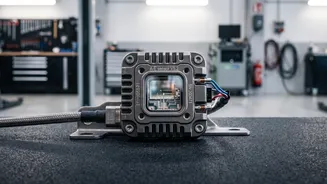
To navigate this complex regulatory landscape, transporters are increasingly turning to technology. Fleet management software has become essential for survival. These systems help operators track the location, emission standard, and documentation status of every vehicle in real-time. Before assigning a load destined for Delhi, a dispatcher can digitally verify that the assigned truck is compliant, preventing costly errors. Some systems can even optimise routes based on current restrictions and forecast potential disruptions. Furthermore, logistics firms are using technology to improve communication with drivers, providing instant updates on rule changes and border restrictions. This technological layer provides a crucial buffer, helping businesses adapt to a fluid situation where rules can change overnight based on the AQI forecast.