






What is the Blue Flag?
The Blue Flag is an internationally recognised voluntary award for beaches, marinas, and sustainable boating tourism operators. Run by the Denmark-based Foundation for Environmental Education (FEE), this eco-label is a badge of honour, indicating that
a beach is not just beautiful, but also clean, safe, and sustainably managed. To earn the flag, a beach must meet a demanding list of over 30 criteria. These are grouped into four main categories: environmental education and information, bathing water quality, environmental management, and safety and services. This means everything from displaying water quality data and protecting local ecosystems to ensuring proper waste disposal and providing first-aid facilities is scrutinised. It’s a holistic assessment of how a beach is managed, making it a globally trusted benchmark.
Meet Maharashtra’s Honourees
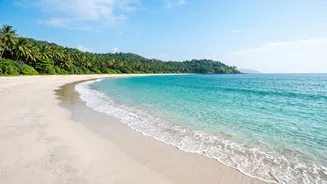
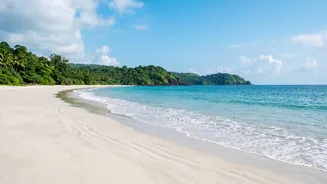
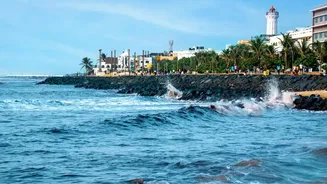
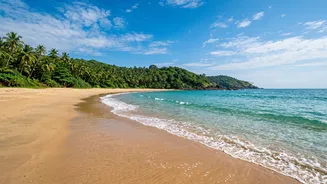
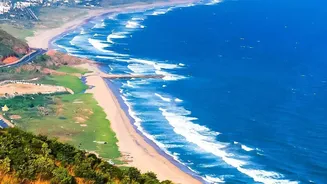
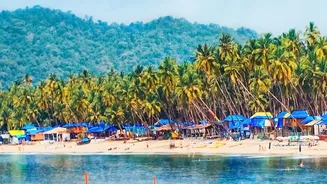
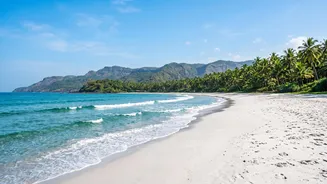
For the 2026-27 season, three beaches along the Konkan coast have made history as the first in Maharashtra to receive Blue Flag status. These are Ladghar and Guhagar in Ratnagiri district, and Shrivardhan in Raigad district. Their inclusion is a landmark achievement, placing them among India's 22 beaches certified for the season. Guhagar is renowned for its long, pristine stretch of white sand lined with casuarina trees, offering a tranquil environment. Ladghar, sometimes called 'Tamas Teertha' for the reddish hue of its sand at sunset, is known for calm waters and dolphin-spotting tours. Shrivardhan beach is celebrated for its crescent shape and gentle slope, making it ideal for swimming, backed by a strong local waste management system.
The Rigorous Path to Recognition
Achieving Blue Flag status is no small feat. It requires a coordinated effort between government bodies, local administrations, and communities. The certification for Maharashtra's beaches is the result of dedicated work by the state's Environment and Climate Change Department, Tourism Department, and local gram panchayats. The process involves implementing strict protocols for waste segregation and disposal, ensuring sewage does not contaminate bathing water, and installing infrastructure like toilets and drinking water facilities. Furthermore, beaches must have safety measures in place, including lifeguards and emergency plans, and be accessible to visitors. Regular water quality testing to check for microbiological contaminants is mandatory and among the most critical requirements. This award is a testament to the state's commitment to balancing tourism with environmental preservation.
A Boost for Konkan Tourism
This international recognition is set to provide a significant boost to tourism in the Konkan region. The Blue Flag acts as a global seal of quality, attracting travellers who prioritise clean and safe destinations. State Environment and Climate Change Minister Pankaja Munde noted that the certification gives Maharashtra's coastline a new identity on the global tourism map. It is expected to not only draw more domestic and international tourists but also spur the local economy and create employment opportunities. With the official Blue Flag season at these beaches starting on November 15, 2026, visitors can now experience these world-class coastal environments firsthand.
A New Benchmark for Coastal India
The success of Ladghar, Guhagar, and Shrivardhan sets a powerful precedent for other coastal areas in Maharashtra and across India. It showcases a sustainable model where tourism development goes hand-in-hand with robust environmental management. The state government has already expressed its intention to extend the Blue Flag program to other eligible beaches by developing facilities and management systems that meet international standards. This achievement is part of a larger national effort under the 'BEAMS' (Beach Environment & Aesthetics Management Services) program, which aims to elevate India's beaches to global standards of cleanliness and sustainability. For travellers, it means more choices for responsible and high-quality beach holidays. For the environment, it marks a step forward in preserving India’s precious coastal biodiversity.