

The Foundation: Fasting Flours
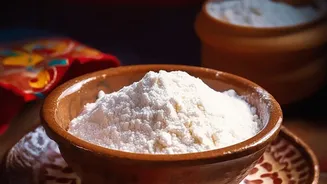
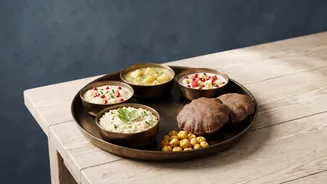
During Navratri, regular grains like wheat and rice are avoided. Instead, a special category of flours and pseudo-grains takes center stage. Kuttu ka atta (buckwheat flour), singhare ka atta (water chestnut flour), and rajgira ka atta (amaranth flour) are the
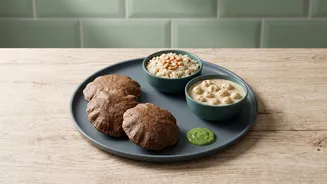
primary staples. These flours are not only permitted but are also packed with nutrients. Buckwheat, for example, is a gluten-free seed rich in high-quality protein, fiber, and heart-healthy compounds. These flours are incredibly versatile, used to make everything from fluffy puris and rotis to savoury pakoras and wholesome cheelas.
Sama Rice: The Go-To Grain Substitute
Sama rice, or barnyard millet, is the perfect substitute for rice during Navratri fasts. These tiny, round grains are light, easy to digest, and cook quickly. Though often called rice, it is a type of millet that is naturally gluten-free and a good source of carbohydrates for sustained energy. It can be prepared as a simple pulao with potatoes and peanuts, a comforting khichdi, or even a creamy kheer for dessert. Its mild, nutty flavour allows it to absorb the tastes of spices like cumin, green chillies, and rock salt (sendha namak), which is the preferred salt for fasting.
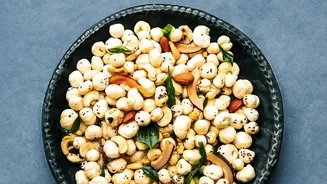
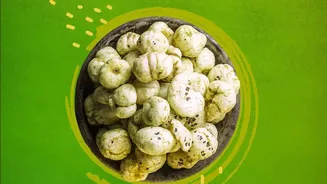
Makhana: The Versatile Superfood Snack
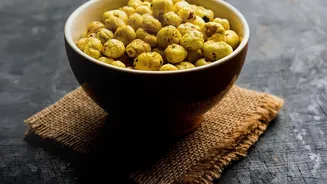
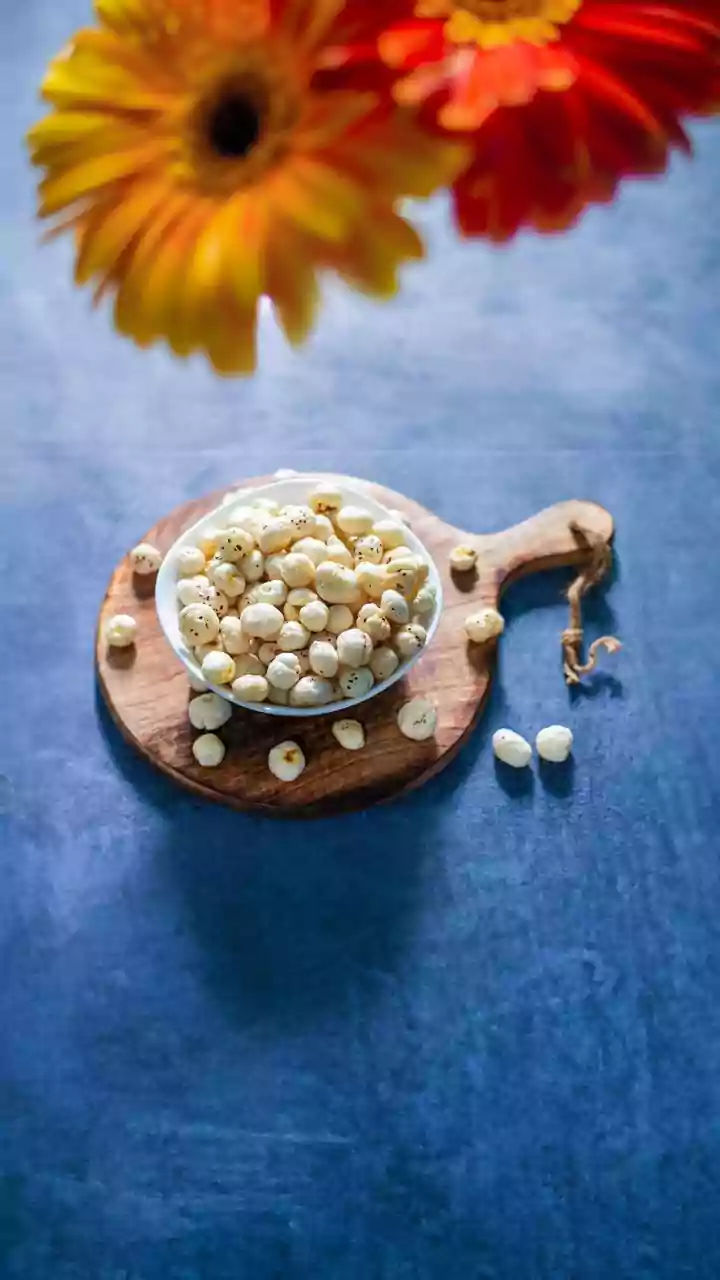
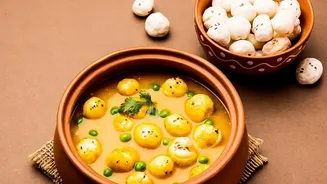
Makhana, or fox nuts, are a powerhouse of nutrition and a beloved fasting food. These puffed lotus seeds are low in calories, rich in protein and fiber, and have a satisfying crunch. Their neutral taste makes them adaptable for both sweet and savoury dishes. A simple bowl of makhana roasted in ghee with a sprinkle of rock salt is a classic, light snack that keeps hunger pangs at bay. For a more substantial meal, they can be added to vegetable curries, ground into a paste for gravies, or used to make a delicious and creamy makhana kheer.
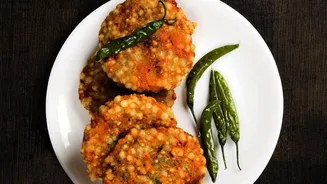
Sabudana: The Energy Booster
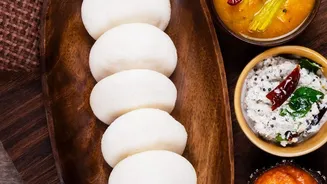
Sabudana, or tapioca pearls, are a source of pure carbohydrates, providing a quick energy boost during fasts. While observing a vrat, sabudana khichdi is a popular and filling dish, often prepared with potatoes, peanuts, and mild spices. For a crispy snack, sabudana vada is a deep-fried delight that is hard to resist. Tapioca pearls are also used to make creamy kheer, crispy tikkis, and even light idlis, showcasing their versatility. It's essential to soak sabudana properly to ensure it cooks evenly and doesn't become sticky.
Fruits, Vegetables, and Dairy
Beyond the special grains, Navratri fasting includes a wide array of fresh produce and dairy products. All fruits are permitted and make for excellent, hydrating snacks. The list of allowed vegetables typically includes potatoes, sweet potatoes, pumpkin, bottle gourd, and cucumber. These can be made into simple stir-fries or curries. Dairy products like milk, yogurt (curd), paneer, and ghee are also integral to the fasting diet, providing essential proteins and fats to maintain energy levels. A bowl of fresh curd or a glass of buttermilk is not only refreshing but also aids digestion.