







More Than Just Water
Staying hydrated is not just about the volume of liquid you consume, but how well your body absorbs and holds onto it. This is where the headline's term 'fluid retention' comes into play, referring to the positive effect of keeping your body in a well-hydrated
state. While water is the undisputed champion of hydration, drinks that contain specific nutrients can sometimes be more effective at keeping you hydrated, especially after sweating. This is because they help replenish not just water, but also essential minerals known as electrolytes.
The Science of Better Hydration
The secret lies in a biological process involving electrolytes and natural sugars. Electrolytes are minerals like potassium and sodium that carry a small electrical charge and are crucial for balancing fluids in your cells. When you drink 100% fruit juice, you’re consuming water, electrolytes (like potassium), and natural sugars (glucose and fructose). The small intestine has special transporters that pull in sodium and glucose together, and water naturally follows them into your bloodstream. This mechanism means that beverages containing a small amount of natural sugar and electrolytes can help your body absorb and retain fluid more effectively than plain water alone.
Top Juice Choices for October
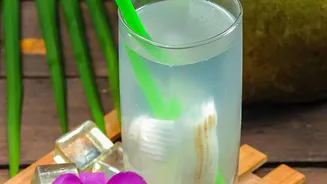
Not all juices are created equal. For optimal hydration, focus on those that are naturally rich in electrolytes. Coconut water is often called 'nature's sports drink' for its excellent balance of potassium, sodium, and magnesium. Watermelon juice is another superb choice, as it's not only high in water content but also provides potassium. Citrus juices, like those from oranges and mosambi (sweet lime), are also effective. They offer a significant dose of potassium and vitamin C, which aids overall health. A study in the American Journal of Clinical Nutrition found that orange juice, in particular, may be more hydrating than water dues to its nutrient profile.
Why 'Without Added Sugar' Is Crucial
The key to this entire strategy is avoiding juices with added sugar. While a small amount of natural glucose aids absorption, drinks with high concentrations of added sugar, like many commercial fruit drinks and sodas, can actually hinder hydration. Your body has to draw water into the gut to dilute the excess sugar, which can slow down the absorption of fluids. Always check the label for '100% fruit juice' and ensure the ingredients list doesn't include high-fructose corn syrup or other added sweeteners. The natural sugars present in the fruit itself are what you're looking for.
A Balanced Approach Is Best
While beneficial, fruit juice should be a supplement to your hydration plan, not a replacement for water. The main drawback of juice is its lack of fibre compared to whole fruit. Fibre is essential for digestive health and helps you feel full, preventing overconsumption of calories. A single glass of juice can contain the sugar of several fruits, making it easy to consume a lot of calories quickly. Experts recommend limiting your intake to a small glass (around 150ml) per day. Enjoy the hydration boost, but continue to drink plenty of plain water and eat whole fruits to get the full spectrum of nutrients.