



Why Protein Matters for Your Workouts
Protein is the building block of muscle. When you exercise, you create tiny micro-tears in your muscle fibres. Protein provides the essential amino acids needed to repair this damage, making your muscles stronger. Active individuals generally need more
protein than sedentary people, with recommendations often falling between 1.2 to 2.2 grams of protein per kilogram of body weight daily. For a 70 kg person, that's roughly 84 to 154 grams per day. Consistently meeting this target helps with everything from building lean muscle to improving recovery and reducing soreness.
The Power of Plant-Based Swaps
Switching to plant-based protein sources doesn't mean you'll miss your goals. In fact, it comes with added benefits like increased fibre, which supports gut health, and anti-inflammatory compounds that can aid recovery. Plant-based diets can effectively support athletic performance when protein intake is properly planned. The key is to know which foods pack the biggest protein punch and how to incorporate them into meals you already enjoy. It’s not about a complete dietary overhaul overnight; it’s about making smarter choices one meal at a time.
Upgrade Your Breakfast
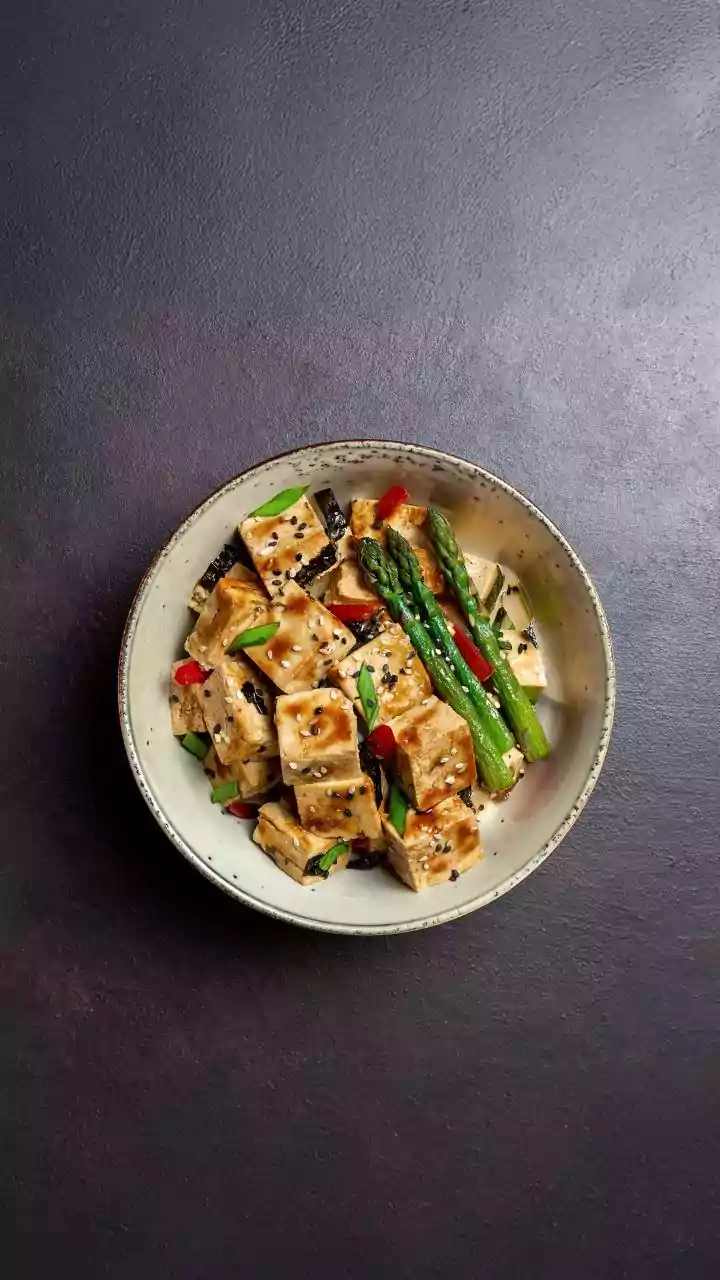
Many traditional Indian breakfasts can be low in protein, leaving you hungry by mid-morning. Instead of starting your day with carb-heavy options like poha or upma alone, make a simple swap. Try a moong dal or besan chilla, which can provide between 12-16 grams of protein per two pieces. For a quicker option, a sattu-based smoothie can deliver around 13-15 grams of protein and is easy to prepare on busy mornings. If you enjoy a savoury start, a tofu scramble seasoned with your favourite spices is a fantastic alternative to scrambled eggs, offering a solid protein base to fuel your day.
Rethink Your Lunch and Dinner
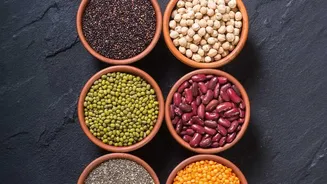
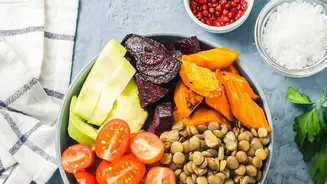
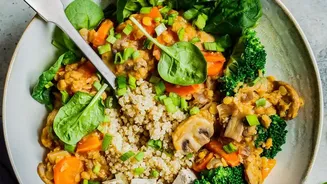
For lunch and dinner, the easiest swap is to make legumes the star of your plate. Instead of a simple vegetable curry, opt for a dal-based dish like rajma or chana masala. A cup of cooked lentils contains about 18 grams of protein, while chickpeas offer around 15 grams per cup. Another powerhouse is the humble soybean. Soya chunks contain a massive 36-40 grams of protein per 100 grams (dry), more than double that of paneer. Incorporating a serving of soya chunk curry or a lentil-based dish instead of a standard mixed vegetable sabzi can dramatically increase your protein intake without much extra effort. You can also add a cup of quinoa, which delivers about 8 grams of protein, as your grain.
Snack Smarter, Not Harder
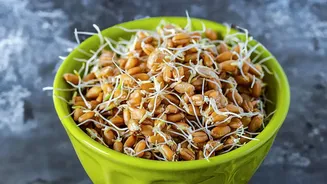
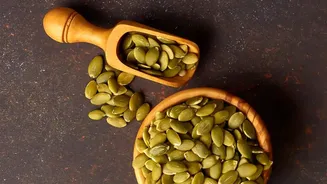
Snack time is a golden opportunity to top up your protein levels. Instead of reaching for biscuits or chips, grab a handful of roasted peanuts or almonds, which contain 26 and 21 grams of protein per 100g respectively. Roasted chickpeas are another excellent savoury snack that provides both protein and fibre, keeping you full and satisfied. For something more substantial, a bowl of sprouts chaat can pack a 12-15 gram protein punch. Even seeds like pumpkin and chia are dense in protein and can be added to yoghurt or smoothies for an easy boost.