




The Symphony of Breath and Body
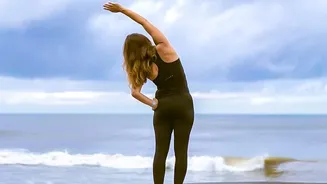
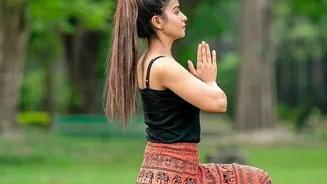
At the heart of a calming yoga practice is the seamless connection between breath (pranayama) and movement (asana). This isn't about pushing into a pretzel-like shape; it's about creating a moving meditation. When you consciously sync your inhales and exhales
with physical postures, you anchor your awareness in the present moment. An inhale might accompany the lifting of your arms, creating space, while an exhale might guide you deeper into a forward fold, encouraging release. This rhythmic dance pulls your focus away from the endless loop of mental chatter and grounds you in the physical sensations of the now, transforming your yoga mat into a refuge from external chaos.
Calming Your Nervous System
The feeling of calm that arises from this practice has a deep, physiological basis. Most of us operate in a state governed by the sympathetic nervous system—our 'fight-or-flight' mode—characterised by a rapid heart rate and shallow breathing. Slow, deliberate, and 'breathable' yoga movements activate the parasympathetic nervous system, often called the 'rest-and-digest' system. This intentional, deep breathing stimulates the vagus nerve, which sends signals to your brain that you are safe, effectively acting as a brake on the body's stress response. This shift lowers your heart rate, reduces stress hormones like cortisol, and allows your entire system to downshift into a state of recovery and relaxation.
Simple Movements to Begin Your Practice
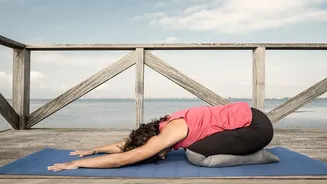
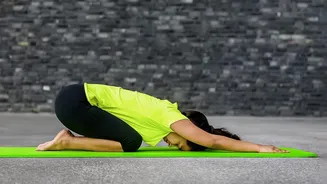
Creating a sanctuary doesn't require advanced skills. It begins with simple, accessible movements. Start with Cat-Cow Pose. On all fours, inhale as you drop your belly and lift your gaze, opening your chest. Exhale as you round your spine, tucking your chin to your chest. This simple flow links breath to spinal movement, gently warming up the body and calming the mind. Next, try Child's Pose (Balasana). From all fours, sit back on your heels and fold your torso forward, resting your forehead on the mat. This restorative posture gently stretches the back and hips while promoting a sense of security and surrender. Focus on breathing into your back body, feeling your ribcage expand with each inhale. Finally, Legs-Up-The-Wall (Viparita Karani) is a profoundly calming pose. Lie on your back and swing your legs up to rest against a wall. This passive inversion helps improve circulation and can soothe a tired body and mind. Stay here for 5-10 minutes, simply breathing and allowing gravity to do the work.
Building Your Personal Sanctuary
The goal is not to add another stressful 'to-do' to your list, but to integrate moments of peace into your day. Start with just five minutes. Find a quiet corner, unroll a mat if you have one (the floor works just as well), and move through a few rounds of Cat-Cow. You don't need a full hour to reap the benefits. The consistency of this practice is more important than its duration. Over time, this small habit carves out a mental and emotional space that you can access even when you're not on the mat. By simply returning to the rhythm of your breath during a stressful meeting or a hectic commute, you tap into the sanctuary you've built within yourself.