

Sometimes, all it takes is a single memory to bring a rich cultural tradition to the forefront. A recent, heartfelt recollection by Sonia Gandhi about her family's festive meals did just that, sparking renewed interest in Kashmiri culinary heritage.
A Memory of Festive Meals
In
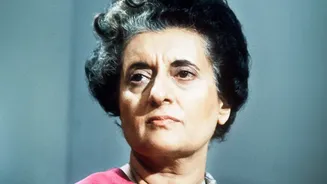
a recent video conversation with her daughter Priyanka Gandhi Vadra, Sonia Gandhi reminisced about Diwali celebrations at the former residence of her mother-in-law, Prime Minister Indira Gandhi. Amidst memories of lighting diyas and the clear blue skies of years past, she shared a specific culinary detail. 'On festivals, we always used to have Kashmiri food and that sweet rice,' she recalled, adding, 'which we still make, by the way'. This brief mention has highlighted how food traditions, passed down through generations, serve as a powerful link to family history and cultural identity. The Gandhi family's connection to these traditions stems from their Kashmiri Pandit heritage.
The Golden Hue of Celebration
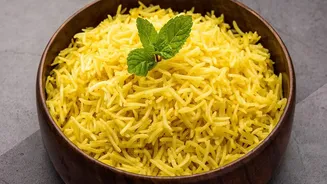
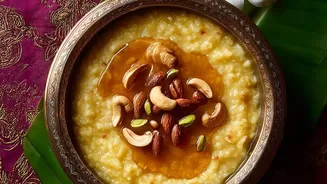
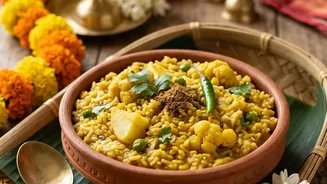
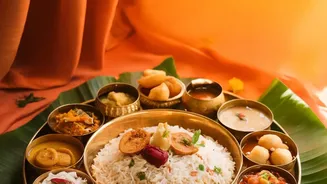
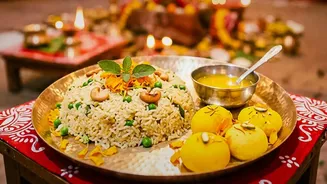
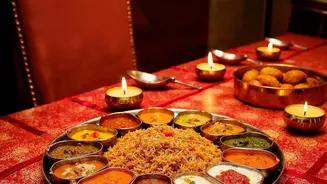
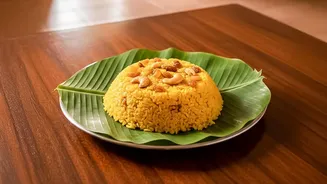
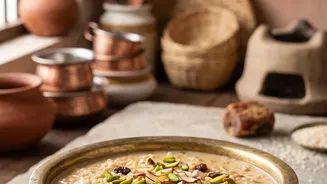
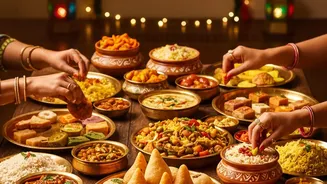
While not named explicitly, the 'sweet rice' mentioned likely refers to one of two beloved Kashmiri dishes: Modur Pulao or Tehar. Modur Pulao, with 'modur' meaning sweet in Kashmiri, is a fragrant dish made with basmati rice, ghee, sugar, and a generous amount of saffron, which gives it a signature golden colour. It is often studded with a variety of fried nuts and dried fruits like almonds, cashews, and raisins. Tehar, another yellow rice dish, holds immense cultural and religious significance. It is traditionally coloured with turmeric and can be prepared simply with rice, salt, and a final touch of mustard oil or ghee. Though both are celebratory, Modur Pulao is generally richer and more aligned with grand feasts, while Tehar is a staple for religious offerings, birthdays, and expressing gratitude.
A Dish Steeped in Ritual
In Kashmiri Pandit households, Tehar is far more than just a meal. It is an essential offering, or 'naivedya', on auspicious occasions like birthdays and festivals. Often, a puja is performed, and the consecrated rice is offered to deities before being distributed. A portion is traditionally formed into small balls called 'Tahari Meitt' and shared with family and neighbours. A small amount is also customarily offered to birds, reflecting a deep connection with nature. The dish is also prepared as an act of thanksgiving or 'Shukraana'—for instance, after recovering from an illness or averting a misfortune. This ritual of preparing and sharing yellow rice is a practice that binds the community, even for those who have migrated from the valley.
A Shared Culinary Culture
Interestingly, the tradition of preparing yellow rice is not exclusive to Kashmiri Pandits. Many Kashmiri Muslim families also prepare Tehar for thanksgiving or as a special dish on Fridays, distributing it at mosques after prayers. The primary difference in preparation is that the Muslim version sometimes includes fried shallots. This shared custom underscores the composite culture of Kashmir, where food often transcends religious lines, becoming a common language of celebration, gratitude, and community. The dish itself, in its various forms, speaks to a culinary history influenced by Persian and Central Asian cuisines, evident in the use of saffron, dry fruits, and aromatic spices.
Preserving Flavours and Memories
In recent years, some have noted a decline in the everyday practice of making Tehar in Kashmir, with it becoming more confined to specific rituals. This makes personal recollections like Sonia Gandhi's all the more significant. By sharing how this culinary tradition persists in her own family, she highlights the importance of preserving such practices. These dishes are not just recipes; they are carriers of history, emotion, and identity. They tell stories of migration, celebration, and the enduring connection to one's roots. The continued preparation of Kashmiri sweet rice in homes across the country and the world is a testament to the lasting power of food to keep a culture's spirit alive.