






A Summer Surge in Services
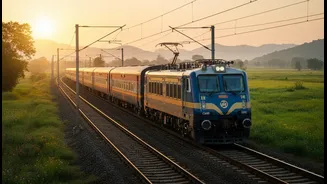
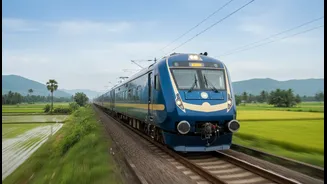
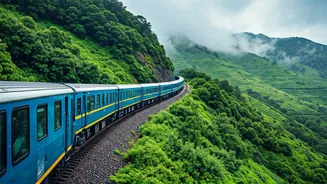
To combat the annual travel rush during peak seasons like summer holidays and festivals, Indian Railways has announced a significant number of special train services. For the summer of 2026, a massive 18,262 trips by 908 special trains are being operated
between April 15 and July 15. This is one of the largest seasonal expansions in recent years, a nearly 47% increase from the special services run in 2025. These trains are strategically deployed across high-demand corridors, with zones like Central, Western, and Northern Railways operating thousands of trips to connect major hubs like Mumbai, Delhi, Pune, and Ahmedabad with destinations in Uttar Pradesh, Bihar, and West Bengal. Additionally, new regular services and route extensions have been launched recently, such as the Nanded-Mumbai Express and the Tanakpur-Nanded Express, to improve connectivity for various regions. The railways also operate special services for major events like the Amarnath Yatra and festivals like Onam and Rath Yatra to cater to pilgrim traffic.
Why Demand Still Outstrips Supply
Despite these welcome additions, getting a confirmed berth remains a challenge for millions. India’s vast population and the affordability of train travel mean that demand consistently exceeds capacity, especially on popular routes during holidays. Waitlists can run into the hundreds just minutes after bookings open. This perennial issue is why the “plan early” mantra is more critical than ever. The introduction of special trains helps alleviate some of the pressure, but they are a supplement, not a complete solution to the systemic demand-supply gap. These trains are often announced closer to the travel period and may have dynamic fare pricing, making advance planning on regular trains the most reliable strategy for many passengers.
Your Booking Playbook: The 60-Day Rule
The golden rule of booking is to act the moment the reservation window opens. As of November 2024, Indian Railways revised its Advance Reservation Period (ARP), reducing it from 120 days to 60 days for most trains. This change was made to discourage bulk bookings by agents and reduce cancellations, thereby making more tickets available for genuine passengers. This means you can book your ticket exactly two months before your journey, excluding the travel date. For example, to travel on September 15, you must book on July 17. The booking for most trains starts at 8:00 AM. Being logged into the IRCTC website or app with all passenger details ready moments before this time is crucial, as popular trains get fully booked within minutes.
Navigating Tatkal and Other Quotas
For last-minute travel, the Tatkal scheme is a lifesaver, though it comes at a higher cost. Tatkal booking opens at 10:00 AM for AC classes and 11:00 AM for non-AC classes one day before the train's departure date. Success here requires speed and a bit of luck. Beyond the General and Tatkal quotas, it pays to check for other options. Indian Railways has various reserved quotas, including those for senior citizens, ladies, and foreign tourists, each with its own set of rules and availability. Exploring these can sometimes reveal available seats when the general quota is exhausted. Using official platforms like the IRCTC website or authorized apps is the best way to get real-time updates on seat availability across different quotas and trains.
Be Flexible and Use Technology
If your preferred train is full, flexibility can be your best friend. Consider travelling a day or two earlier or later, as this can dramatically increase your chances. Look for alternative trains that may have a slightly longer route or less convenient timing but still have availability. Breaking up your journey—booking a ticket to an intermediate station and then another from there—is another strategy that sometimes works. Use the IRCTC official website and apps to set alerts for seat availability. These tools provide real-time information and can notify you if seats become available due to cancellations. Monitoring your PNR status is also important, as waitlisted tickets often get confirmed closer to the date of travel.