


Gathering Your Materials
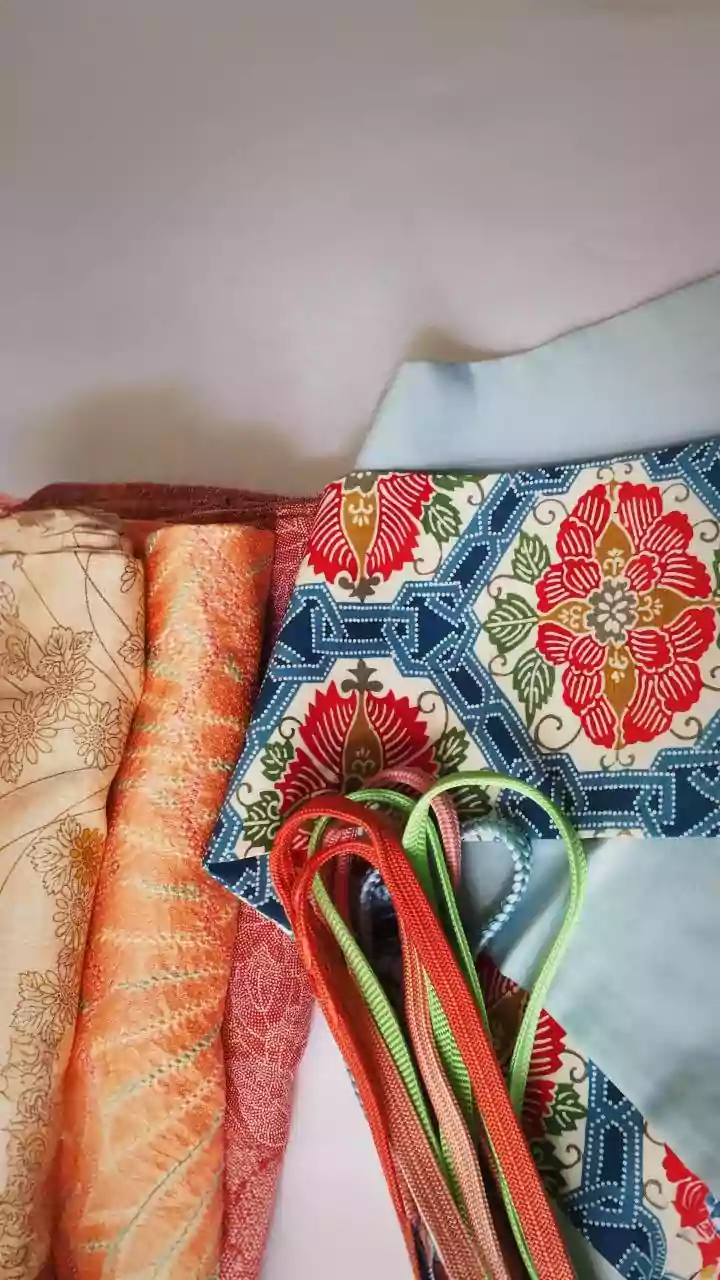
Before you begin this creative journey, assembling the right tools is key. For this project, you will need one or more old silk sarees, sharp fabric scissors, a measuring tape, and pins. If you plan to sew, you’ll need a sewing machine with a fine needle
(size 70/10 is ideal for silk), and thread that matches your saree. For the cushion covers, you will also need cushion inserts of your desired size and a sturdy backing fabric like cotton or linen. For the table runner, you may want a lining fabric to give it more weight and durability. Optional embellishments like tassels, beads, or lace can add an extra festive touch.
Preparing the Saree Fabric
Old silk is delicate and requires careful handling. Before cutting, inspect the saree for any damage or weak spots and plan your cuts to avoid them. It's best to gently hand-wash the saree and let it air dry completely. Do not wring or twist the fabric, as this can damage the fibres. Once dry, press the silk using a low heat setting and always use a press cloth between the iron and the fabric to prevent scorching. An up-and-down pressing motion is better than a back-and-forth ironing motion to avoid stretching the material. Taking the time to prepare the fabric properly will ensure your final creation is both beautiful and durable.
Creating the Cushion Covers
Making cushion covers is a great starting point for upcycling. The most visually striking parts of a saree, like the 'pallu' or the borders, are perfect for the front of your cushion. First, measure your cushion insert. For a 16x16 inch cushion, you will cut one 17x17 inch square from your saree fabric for the front (this includes a half-inch seam allowance on all sides). For the back, cut two rectangular pieces from your backing fabric measuring 17x12 inches each. This will create a simple envelope closure, which doesn't require a zipper. Hem one of the long (17-inch) edges of each back piece. Then, with the right sides of the fabric facing each other, pin the front saree piece to the two back pieces, making sure the hemmed edges of the back pieces overlap in the middle. Sew along all four sides, trim the corners, and turn the cover right-side out. Insert your cushion and your new decorative piece is ready.
Designing a Festive Table Runner
A table runner made from a silk saree can instantly elevate your festive dining setup. First, measure your table's length and decide how much overhang you want on each end. A standard runner is typically one-third the width of the table. Cut a long panel from the main body of the saree according to your measurements, adding a seam allowance. The saree's border can be used along the length of the runner for a polished look. If your saree is very delicate, consider adding a cotton lining for structure. Place the saree fabric and lining with their right sides together, sew around the edges, leaving a small opening to turn it right-side out. Once turned, press it flat and stitch the opening closed. For a final touch, you can attach tassels to the shorter ends.
Tips for Sewing with Silk
Silk can be slippery and challenging to work with, but a few tricks make it much easier. Use a new, fine sewing machine needle (a 60/8 or 70/10 is recommended) to avoid pulling the threads. Using fine, sharp pins or even fabric weights can help keep the material from shifting as you cut and sew. Set your machine to a shorter stitch length (around 2.0 mm) and sew slowly, guiding the fabric gently without pulling it. If the fabric keeps getting sucked into the machine at the start of a seam, try placing a small piece of tissue paper under the fabric to get it started. French seams are an excellent way to finish the inside of your cushion covers, as they enclose all the raw edges and prevent the delicate silk from fraying.