




More Than Just White Bread
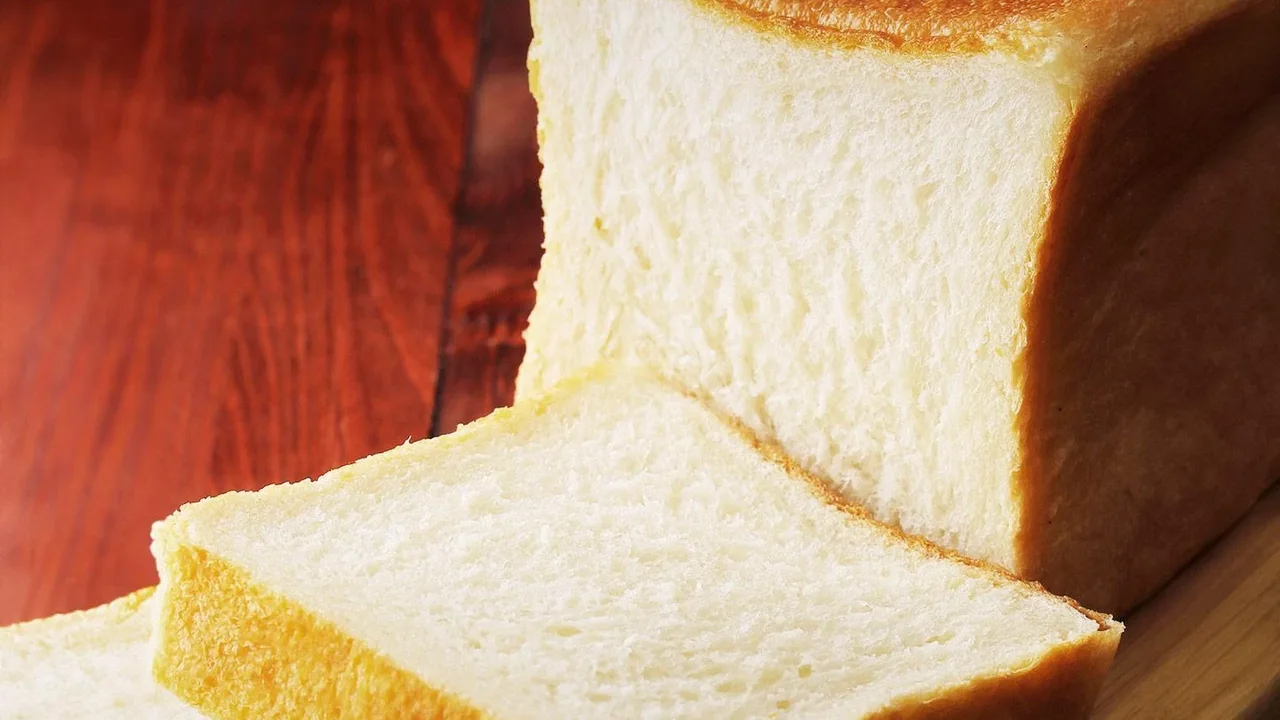
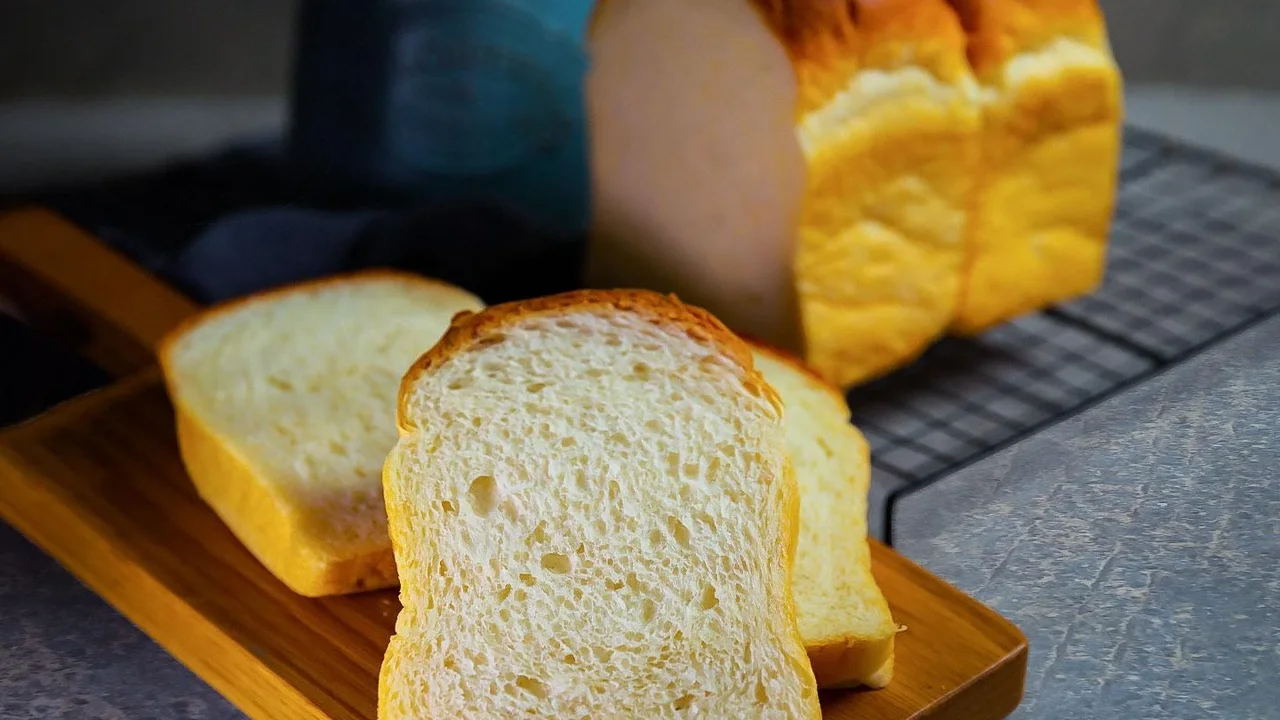
At first glance, shokupan might look like a standard loaf of white bread, often baked in a Pullman tin to give it a perfectly square shape. But that comparison ends with the first bite. The term 'shokupan' literally translates to “eating bread” or “food
bread,” a testament to its status as a delicious, everyday staple in Japan. Unlike the average sandwich loaf, shokupan possesses a uniquely moist, dense, and delicate crumb with a chewy, bouncy quality often described as 'mochi-mochi'. Its flavour is subtly rich and milky-sweet, a result of using milk, sugar, and sometimes cream or condensed milk in the dough. This combination creates a loaf that is comforting on its own and versatile enough for both sweet and savoury applications.
The Secret to the Softness
The magic behind shokupan’s signature texture lies in a special technique involving a water roux, known as either the Tangzhong or Yudane method. Both methods involve pre-cooking a small portion of the recipe's flour and liquid before adding it to the main dough. In the Tangzhong method, flour and water (or milk) are heated on a stovetop to form a thick, pudding-like paste. The Yudane method achieves a similar effect by mixing flour with boiling water. This process gelatinises the starches in the flour, allowing them to absorb and hold onto significantly more moisture. When this paste is incorporated into the bread dough, the result is a loaf that bakes up incredibly soft and stays fresh and tender for days longer than conventionally made bread.
From Post-War Staple to Artisan Star
While bread was first introduced to Japan by Portuguese traders in the 16th century, it didn't become a widespread part of the diet until after World War II. Wheat shipments sent as food relief, combined with the influence of American food culture, spurred Japanese bakers to develop a style of bread that would appeal to local tastes. This led to the creation of shokupan, which quickly became a beloved staple in school lunches and breakfast tables across the nation. In recent years, shokupan has experienced a renaissance, evolving from a convenience store staple to an artisanal product. Speciality bakeries across Japan, and now the world, dedicate themselves to perfecting the loaf, attracting long queues of customers eager for a high-quality, elevated version of this comforting classic.
How to Best Enjoy Shokupan
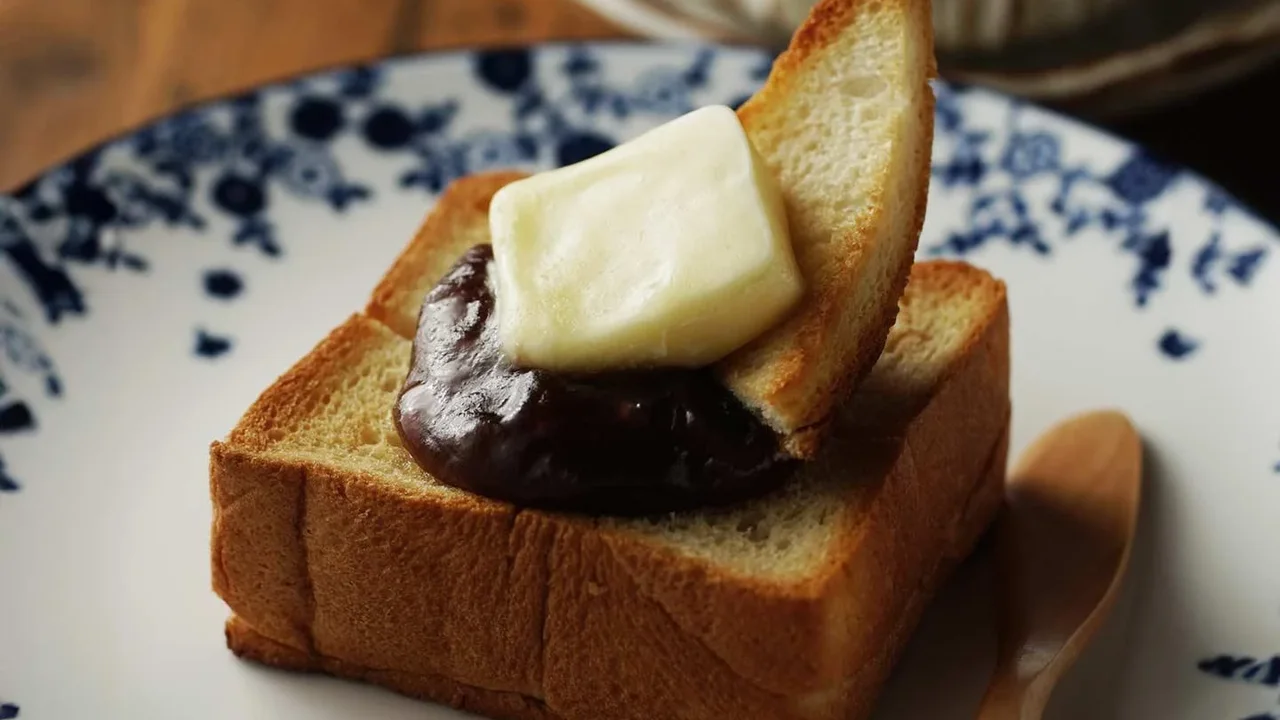
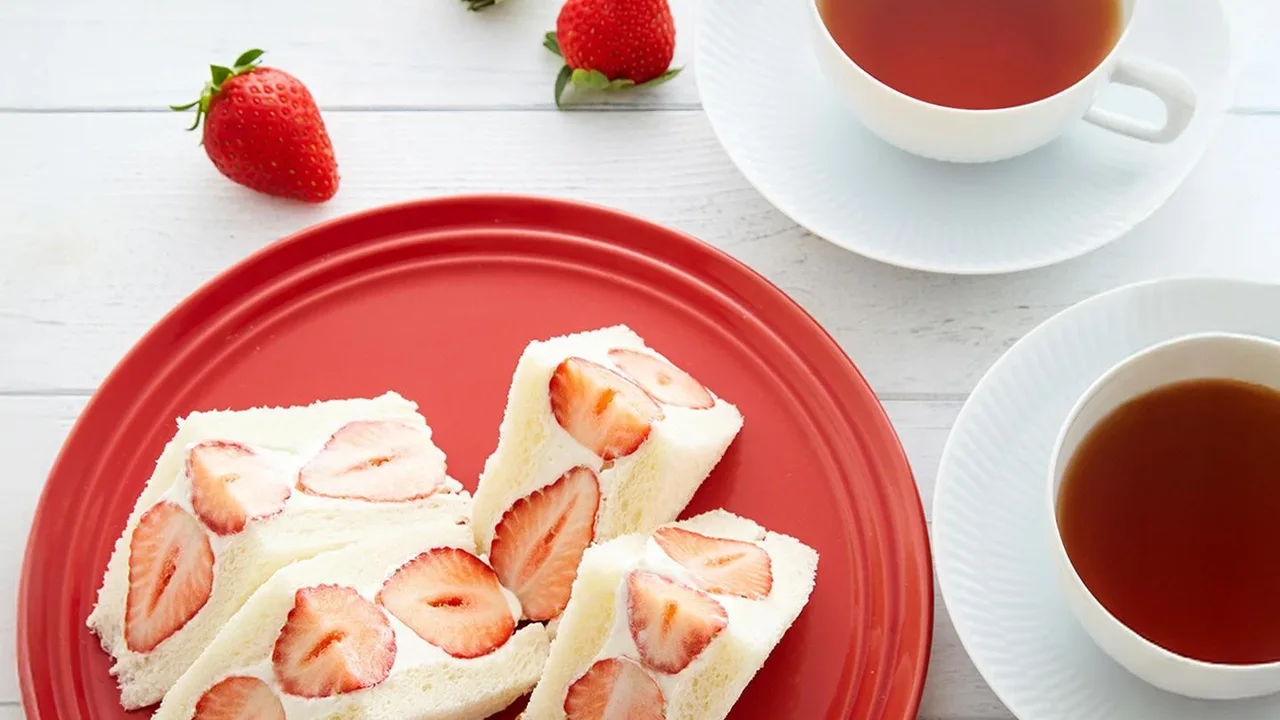
The beauty of shokupan is its versatility. For a pure experience, many high-end bakeries recommend tearing off a piece on the first day to appreciate its natural sweetness and silky texture. It makes for extraordinary toast, especially when cut into thick slices. When toasted, the exterior becomes crisp while the inside remains impossibly fluffy and soft, ready to be slathered with butter and jam. Its sturdy yet tender structure also makes it the perfect canvas for sandwiches, from the iconic Katsu Sando (pork cutlet sandwich) to the sweet and simple Fruit Sando, filled with whipped cream and fresh fruit. It's also a popular base for savoury toasts topped with Japanese mayonnaise and egg.