







What Exactly Is Ambali?
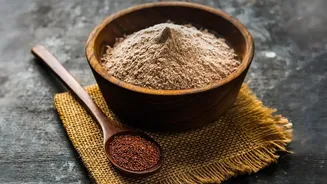
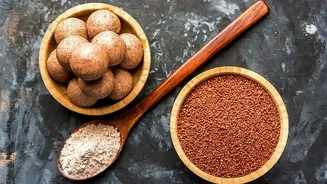
Ambali is a traditional porridge, or ‘ganji’, made from finger millet, popularly known as ragi. What sets it apart is the crucial step of fermentation. The process is simple yet effective: ragi flour is cooked into a porridge, then left to ferment overnight,
traditionally in an earthen pot. This ancient technique, rooted in the culinary traditions of states like Karnataka, Andhra Pradesh, and Tamil Nadu, transforms the simple grain into a nutrient-packed, tangy, and refreshing drink. Historically, it was the go-to breakfast for farmers, providing sustained energy for a long day of work. Today, it’s this very process that’s catching the attention of health-conscious city dwellers.
A Natural Probiotic Powerhouse
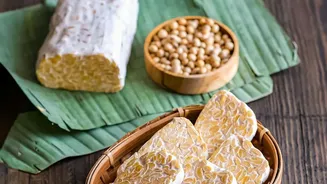
The “probiotic” in the headline isn’t just a marketing term. The overnight fermentation process encourages the growth of beneficial bacteria, primarily Lactobacillus strains, the same kind found in yogurt. These live microbes are key to supporting a healthy gut microbiome, which is linked to better digestion, stronger immunity, and even improved mood. Fermentation also does another magical thing: it breaks down 'antinutrients' like phytic acid naturally present in grains. This significantly increases the bioavailability of essential minerals locked within the ragi, especially calcium and iron, making them easier for the body to absorb.
From 'Poor Man's Food' to Urban Elixir
For generations, ragi was often dismissed as “poor man’s food,” overshadowed by government-subsidized wheat and rice during the Green Revolution. However, a cultural shift is underway. Driven by the global wellness movement and a renewed interest in sustainable, indigenous foods, millets are staging a major comeback. Urban cafes, always on the lookout for the next big thing, are tapping into this revival. They are reintroducing Ambali not as a forgotten gruel, but as a sophisticated, health-forward beverage. It fits perfectly into the modern consumer’s desire for clean, functional foods that connect back to their heritage.
A Taste of Tradition, Reimagined
Traditionally, Ambali is served savoury, mixed with buttermilk or curd, rock salt, and sometimes finely chopped green chillies, ginger, or onions for flavour. It has a distinct earthy, nutty taste from the ragi, with a pleasant tang from the fermentation, making it an incredibly refreshing cooler, especially during hot Indian summers. While some cafes are serving the authentic version, others are giving it a modern twist, blending it into smoothies with fruits or serving it in beautifully garnished glasses. This innovative presentation makes the ancient drink more accessible and appealing to a younger, urban demographic that is curious about traditional flavours but accustomed to modern aesthetics.
More Than Just a Trend
The rise of Ambali in city cafes is more than a fleeting food trend; it's a reflection of a deeper change in India's culinary landscape. There is a growing appreciation for the wisdom of our ancestors, who perfected nutritious, climate-resilient foods centuries ago. This movement sees value not just in exotic superfoods from abroad, but in the powerhouse grains that have sustained Indian communities for millennia. The humble bowl of Ambali represents a delicious intersection of heritage and health, proving that sometimes the best solutions for modern wellness have been in our kitchens all along, just waiting to be rediscovered.