





The Mental Game: Runner's High vs. Swimmer's Flow
Both running and swimming are lauded for their mental health benefits. Runners often chase the famed 'runner's high', a feeling of euphoria brought on by a rush of mood-boosting endorphins from sustained aerobic activity. This can create a powerful, rewarding
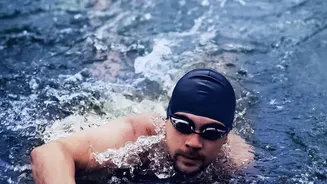
sensation that makes you eager for the next run. Swimming, on the other hand, is often described as a more meditative experience. The rhythmic nature of strokes, controlled breathing, and the muffling sound of water can induce a 'flow state'—a feeling of being fully immersed and energized by the activity. The sensation of weightlessness in water can be deeply calming and help disconnect from daily stressors, making it a unique form of mental escape.
Accessibility and Convenience: Hitting the Ground vs. Hitting the Pool
When it comes to ease of entry, running has a clear advantage. All you truly need are a decent pair of shoes and an open road, trail, or treadmill. This makes it a highly flexible and low-cost option that can be squeezed into a busy schedule almost anywhere, anytime. Swimming requires access to a pool or safe open water, which often involves membership fees, travel time, and adhering to facility schedules. While the initial gear for swimming—goggles and a swimsuit—is relatively inexpensive, the recurring cost and logistical planning of getting to a pool make running the more accessible choice for most beginners.
The Social Scene: Community vs. Solitude
Your preference for exercising alone or with others can greatly influence your enjoyment. Running offers a versatile social landscape. You can easily go for a solo run to clear your head or join one of the many burgeoning run clubs for a more communal experience. These clubs often focus on connection over competition, providing a built-in social circle. While you can certainly hold a conversation while running with a friend, swimming is largely a solitary act. Though swim clubs and masters teams have a strong sense of camaraderie, the in-activity experience is insular—it's just you and the black line at the bottom of the pool. The socialising in swimming often happens between sets or after the workout is over.
The Body Feel: Impact vs. Full-Body Engagement
How an exercise feels on your body is a huge factor in long-term enjoyment. Running is a high-impact, weight-bearing exercise. While this is excellent for building strong bones, it can also be hard on the joints, particularly the knees, hips, and ankles. Swimming, by contrast, is famously low-impact. The buoyancy of water supports your body, removing stress from your joints and making it an ideal choice for those with injuries or arthritis. Many find this gentle, full-body resistance to be a more pleasant and sustainable form of exertion, engaging arms, back, and core in a way that running does.
The Learning Curve and Variety
Running is intuitive; most people can start right away. The challenge comes in building endurance and speed. Swimming, however, requires more technical skill. Poor technique can lead to frustration and a less effective workout, so lessons can be a worthwhile investment. Yet, once you master the basics, swimming offers tremendous variety. With four competitive strokes, plus drills and equipment like fins and paddles, there are endless ways to keep workouts interesting and challenging. For runners, variety comes from changing routes, terrain, and speed, but the fundamental action remains the same.