
A New Window on the Cosmos
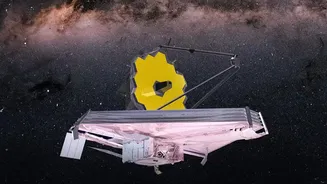
Since its launch, the James Webb Space Telescope (JWST) has transformed our view of the universe. Unlike telescopes that see visible light, Webb is designed to detect infrared light. This gives it a unique superpower: the ability to peer through dense
cosmic dust clouds that would otherwise block our view. This capability is especially crucial for studying star formation, a process that happens deep inside these opaque clouds. Webb's incredible sensitivity allows it to capture the faint heat signals from newborn stars, or protostars, giving scientists a front-row seat to the creation of new solar systems.
What Are Stellar Nurseries?
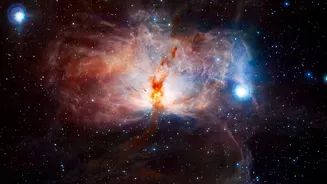
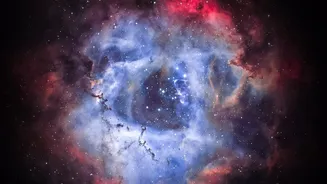
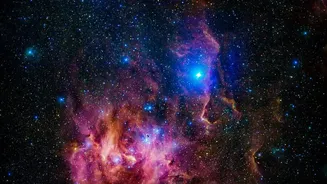
Stellar nurseries are vast, cold regions in space made of molecular gas and dust, primarily hydrogen. They are the raw material from which stars are made. Inside these clouds, gravity pulls matter together into denser and denser clumps. As a clump collapses, it heats up, forming a protostar at its center. This baby star is still gathering mass from a surrounding disk of gas and dust—a disk where planets might eventually form. Famous examples of these star-forming regions include the Orion and Carina Nebulae, but Webb is discovering new and more distant ones all the time.
Seeing the Previously Unseen
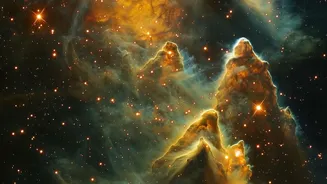
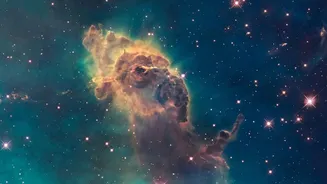
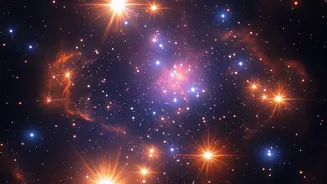
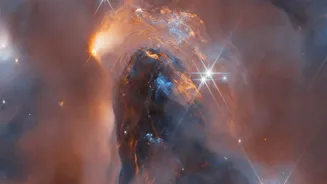
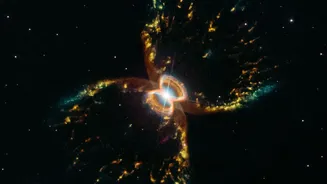
Many of Webb’s most breathtaking images have showcased these cosmic cradles in unprecedented detail. In regions like the “Cosmic Cliffs” of the Carina Nebula, Webb revealed hundreds of previously hidden young stars. More recently, in a giant star-forming region called NGC 604, located 2.7 million light-years away, Webb identified over 200 of the hottest and most massive types of stars. Its infrared instruments can even trace narrow tunnels carved through the gas by powerful stellar winds and jets shooting out from protostars, offering clues about how these violent births shape their environment. These jets can create spectacular glowing structures known as Herbig-Haro objects as they slam into the surrounding gas.
Why These Discoveries Matter
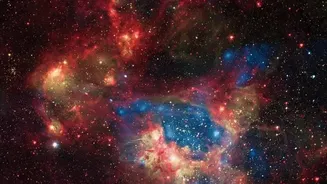
Studying these stellar nurseries isn't just about capturing beautiful images. It helps answer fundamental questions about the universe. For instance, the chemical composition of some nurseries, like the Tarantula Nebula, is very similar to what astronomers believe existed during the universe's peak period of star formation billions of years ago. This makes them invaluable laboratories for understanding how the first galaxies grew and evolved. Furthermore, by studying a wide range of nurseries, scientists are learning how quickly star clusters emerge from their birth clouds, a process called stellar feedback that has a major impact on how a galaxy evolves. Discoveries in the Serpens Nebula have even helped explain how certain minerals that require intense heat can end up in comets that form in the freezing outer edges of a solar system.
A Race Against Time
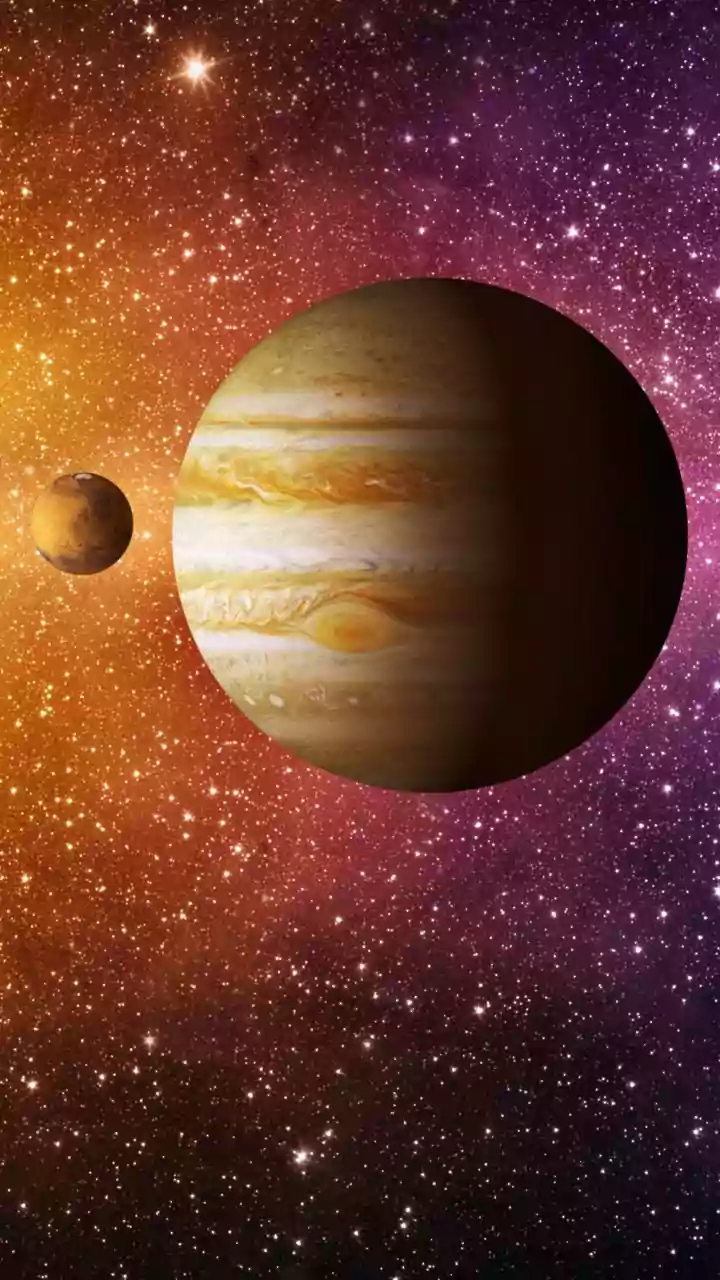
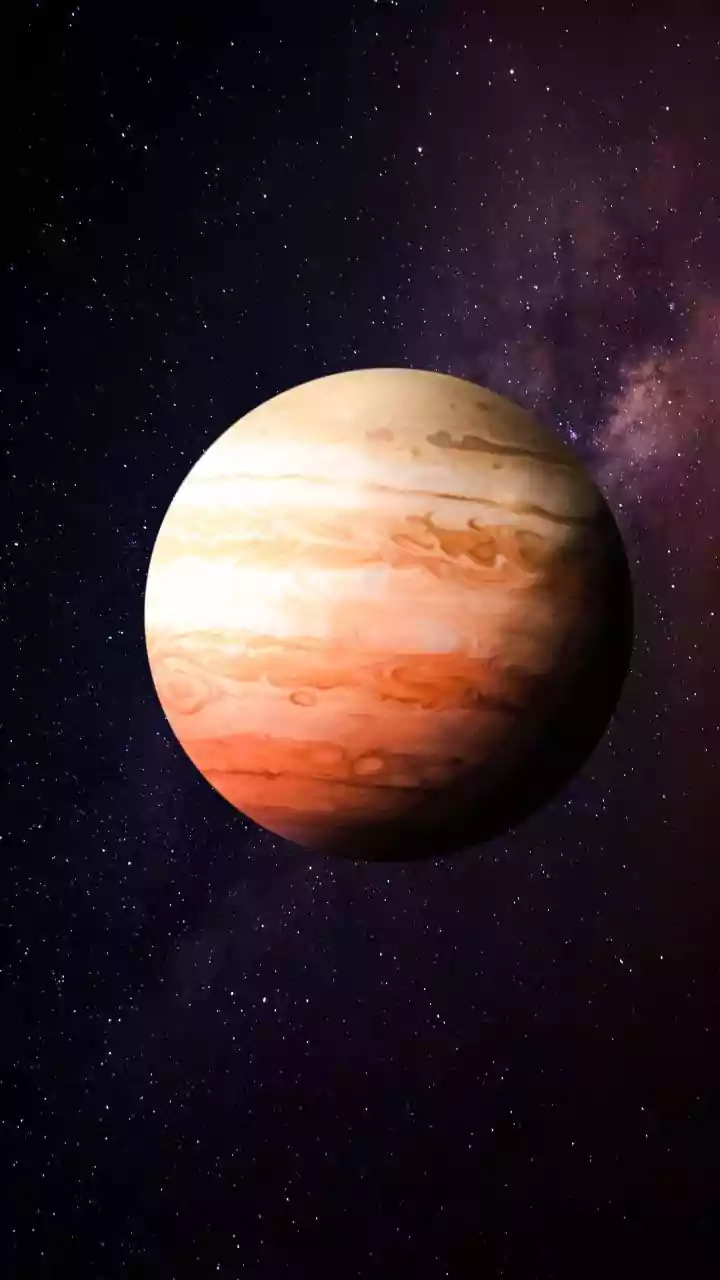
Webb’s observations also show that planet formation is a frantic race against the clock. Recent studies of dozens of young stars have shown how powerful winds and jets from the central protostar work to blow away the surrounding disk of gas and dust. This disk is the reservoir of material needed to build gas giant planets like Jupiter. Once that gas is gone, the opportunity to form such worlds is over. By watching how these disks evolve and dissipate over time, astronomers can build a more accurate timeline for how, when, and where planets can form, bringing us one step closer to understanding our own cosmic origins.