





The Foundation: Common Fasting Rules
Across many parts of India, especially in the North and West, Navratri fasting, or 'vrat', involves abstaining from certain foods to practice discipline and devotion. Common grains like wheat and rice, lentils, onions, garlic, and regular table salt are
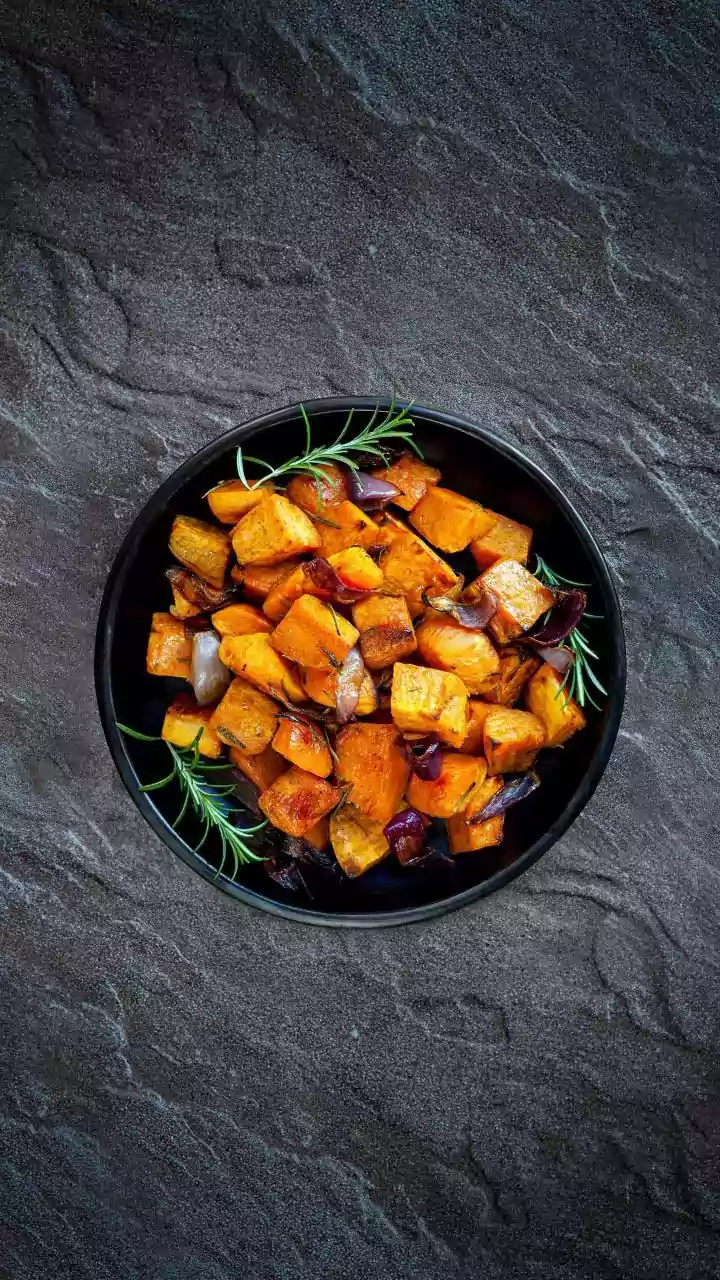
typically avoided. In their place, a unique pantry of ingredients takes over. This includes flours like 'kuttu' (buckwheat), 'singhara' (water chestnut), and 'rajgira' (amaranth), along with 'samak ke chawal' (barnyard millet). Rock salt, or 'sendha namak', replaces table salt. Fruits, milk products, and certain vegetables like potatoes, sweet potatoes, and pumpkin form the backbone of the fasting diet. This shift isn't just about restriction; it's about creating a whole new culinary system rooted in sattvic (pure) eating principles.
North India: Hearty and Grain-Free
In states like Punjab, Haryana, Uttar Pradesh, and Delhi, the fast is widely observed with these specific ingredients. The cooler climate and agricultural landscape influence the preference for hearty, energy-giving foods. A classic meal is 'kuttu ki poori' (deep-fried buckwheat bread) served with a simple 'vrat wale aloo' (potatoes in a tomato-based gravy seasoned with rock salt and black pepper). 'Samak ke chawal' is used to make a light pulao or a creamy kheer. Snacks often feature 'makhana' (fox nuts) roasted in ghee or 'aloo chaat' made with fasting-approved spices. These dishes are designed to be filling and sustaining, providing the necessary energy for the nine days of observance.
West India: A Symphony of Sabudana and Farali Feasts
Head west to Gujarat and Maharashtra, and you enter the heartland of 'sabudana' (tapioca pearls). While not a traditional grain, these pearls of cassava starch are a beloved fasting staple. In Maharashtra, 'sabudana khichdi', a flavourful mix of soaked sabudana, roasted peanuts, potatoes, and green chillies, is iconic. Crispy 'sabudana vadas' are another favourite. Gujarati cuisine, known for its blend of sweet and savoury, features a wide array of 'farali' (fasting) snacks. This includes 'farali pattice' (potato patties with a coconut and nut filling) and 'moraiyo dhokla' (steamed barnyard millet cakes). The food here is often designed to be enjoyed amidst the energetic Garba and Dandiya nights that define Navratri in the region.
East India: A Feast for Durga Puja
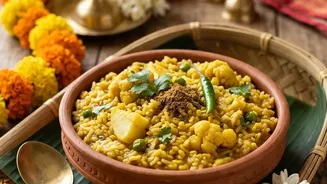
In West Bengal and other eastern states, Navratri coincides with the grand festival of Durga Puja. For many Bengalis, this is a time of feasting rather than fasting. The celebrations are marked by elaborate community feasts known as 'bhog', which are offered to the Goddess Durga before being distributed to devotees. A typical 'bhog' includes 'khichuri' (a comforting mix of rice and lentils), 'labra' (a mixed vegetable dish), fried items like 'beguni' (eggplant fritters), and a variety of sweets ('mishti'). While some households may observe a vegetarian diet, avoiding onion and garlic, the overall atmosphere is one of culinary indulgence, celebrating the homecoming of the Goddess with rich and flavourful community meals.
South India: A Celebration of Sundal and Golu
In the southern states of Tamil Nadu, Karnataka, and Andhra Pradesh, Navratri is celebrated as 'Golu' or 'Bommai Golu', featuring the artistic display of dolls. Here, the fasting food traditions are distinctly different. Instead of grain restrictions, the culinary star is the 'sundal'. A different type of 'sundal'—a simple and savoury dish made from legumes like chickpeas, black-eyed peas, or green gram—is prepared as an offering ('neivedyam') and served to guests each of the nine evenings. The legumes are boiled and then lightly tempered with mustard seeds, curry leaves, and grated coconut. Alongside 'sundal', a variety of rice dishes like tamarind rice ('puliyogare') and lemon rice are also prepared, always without onion or garlic.